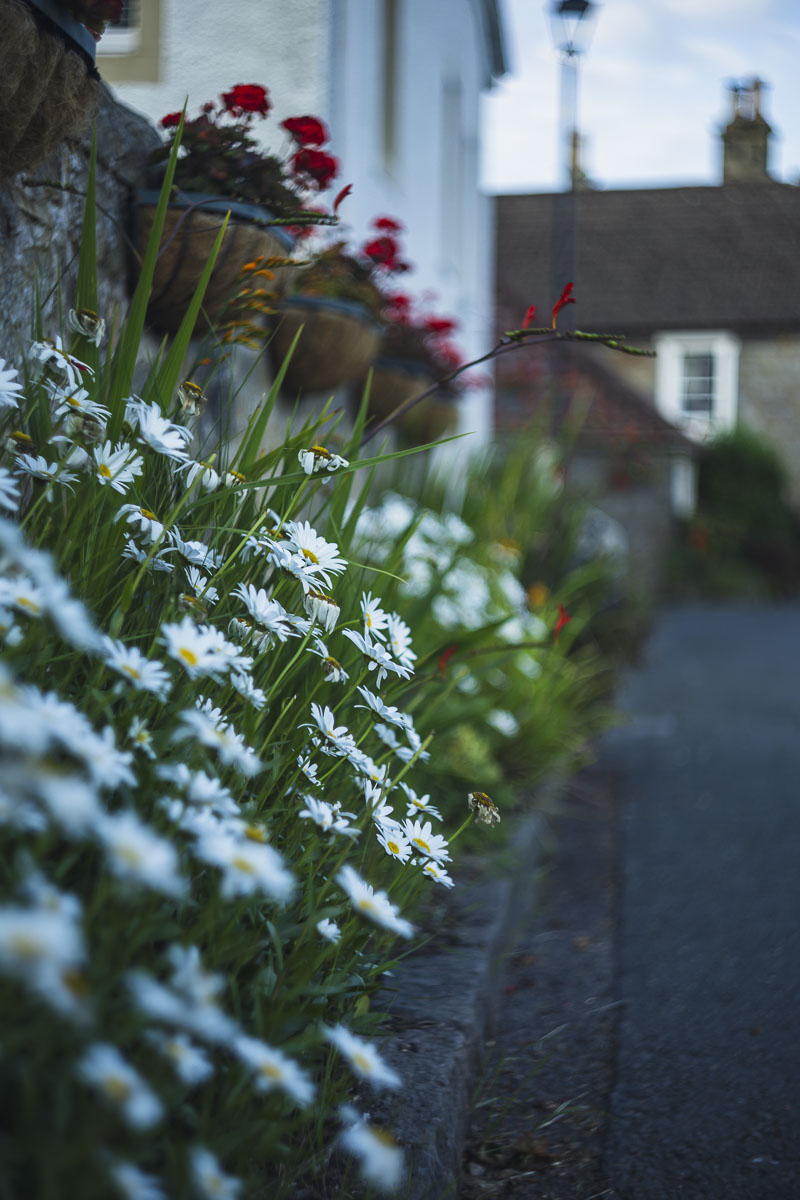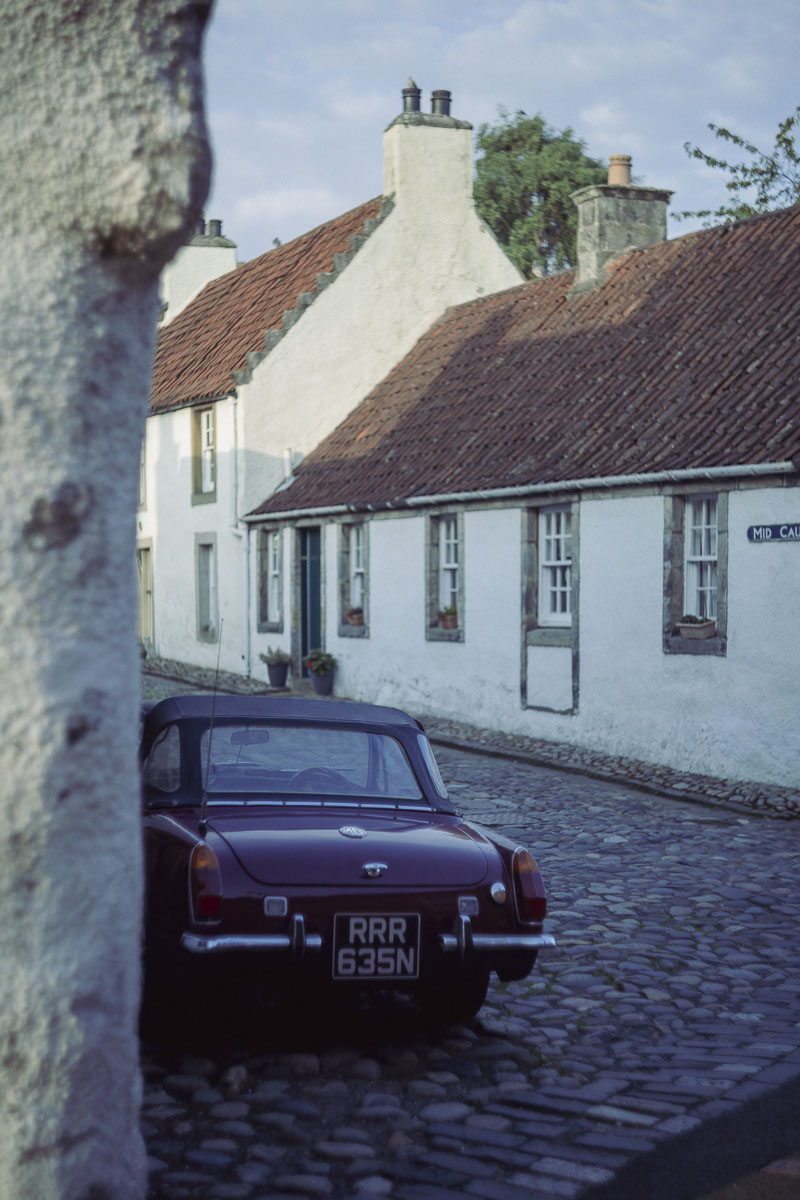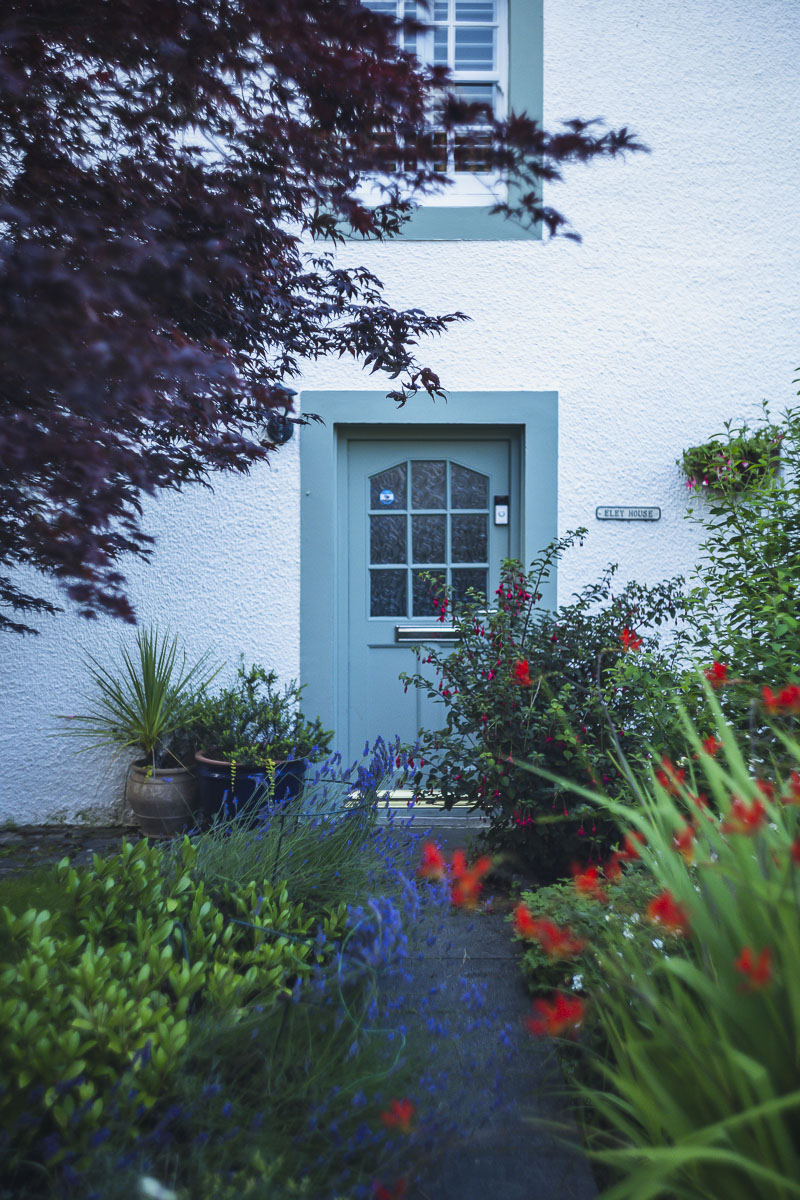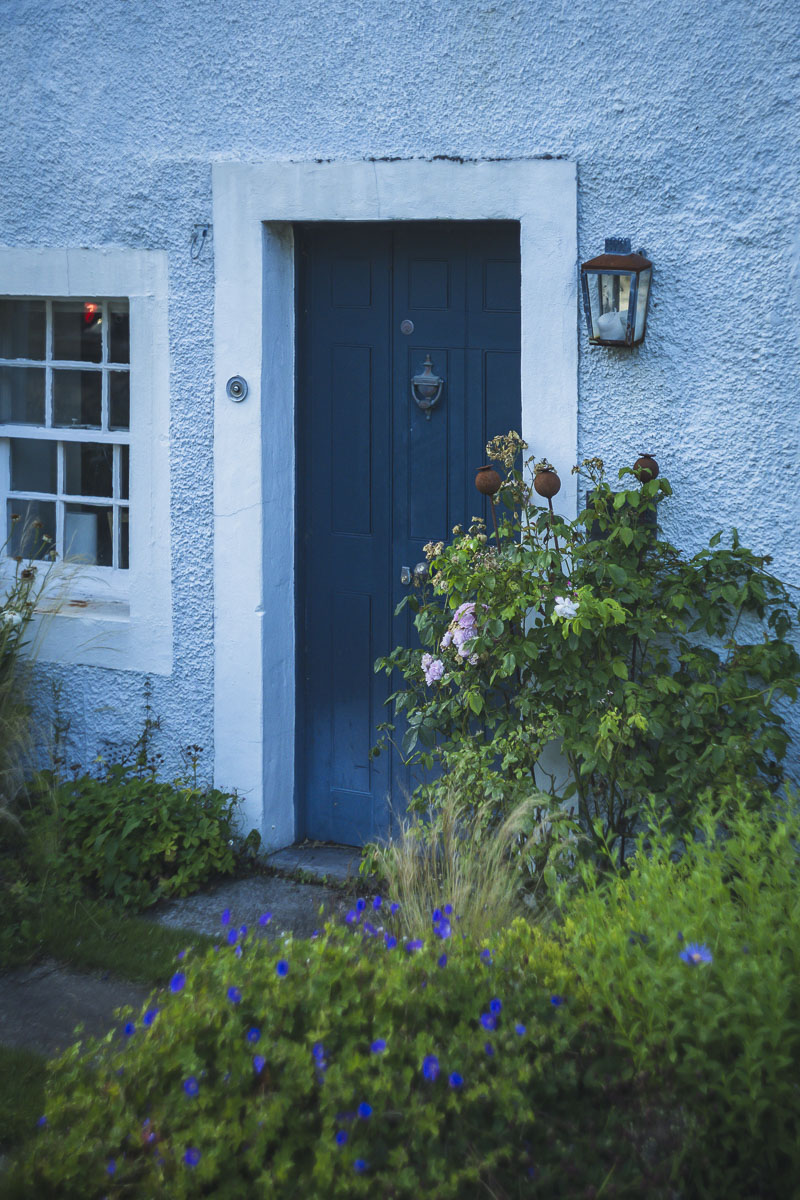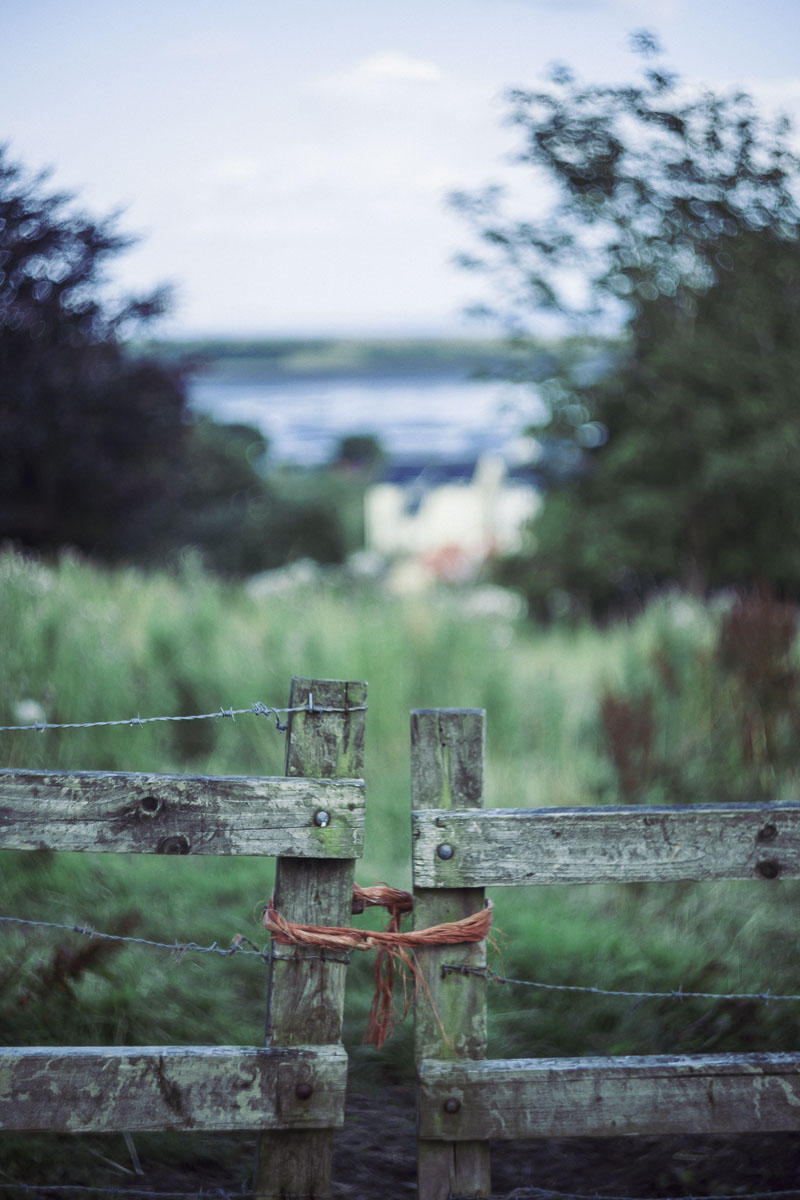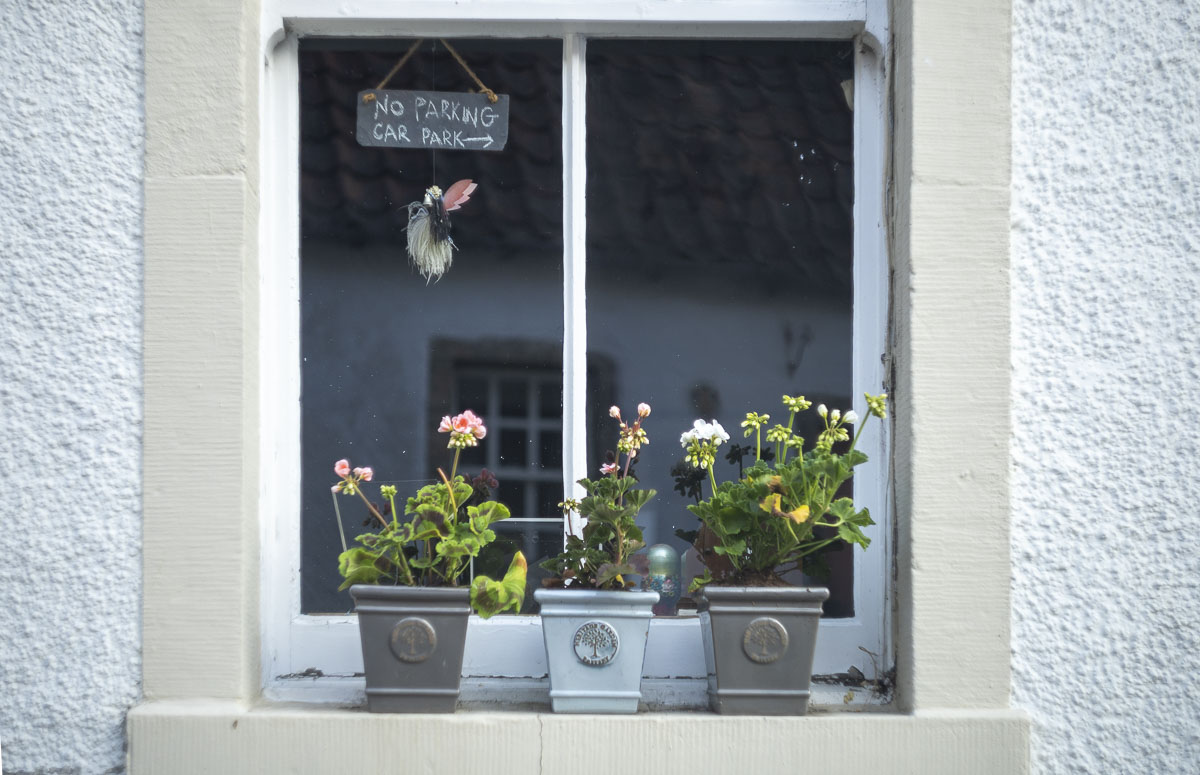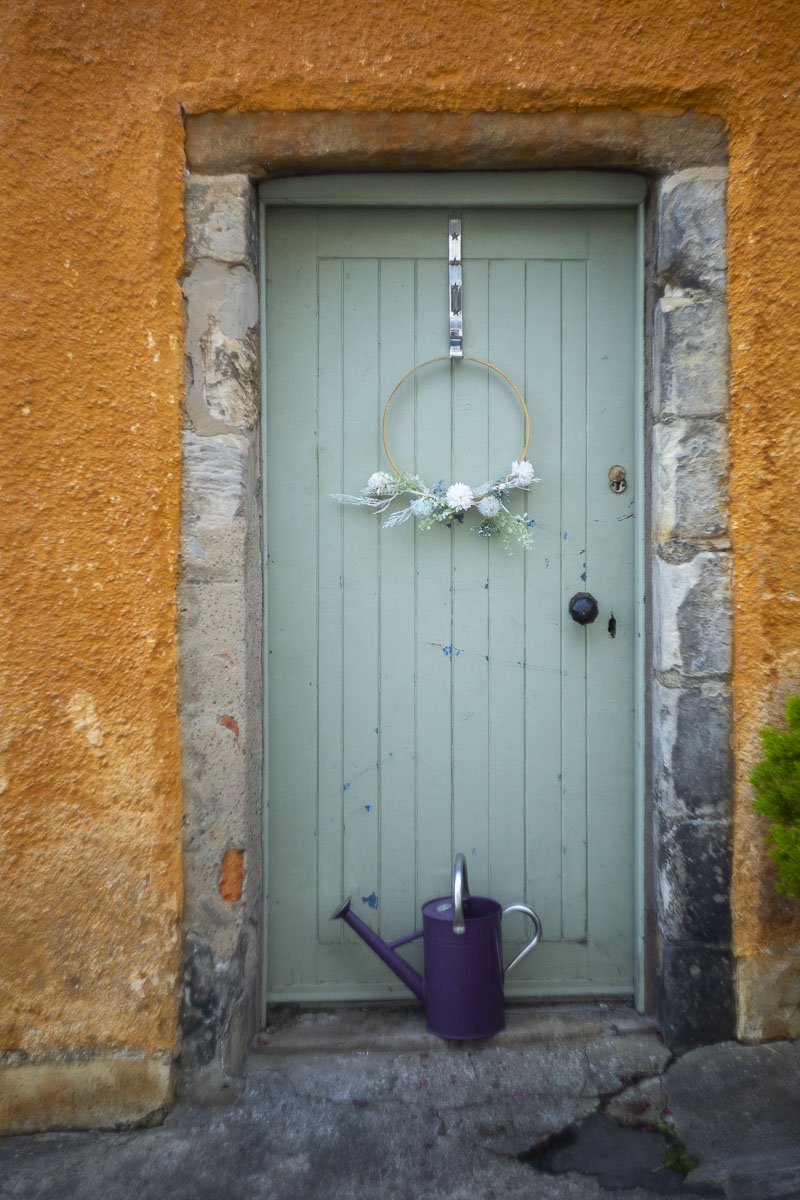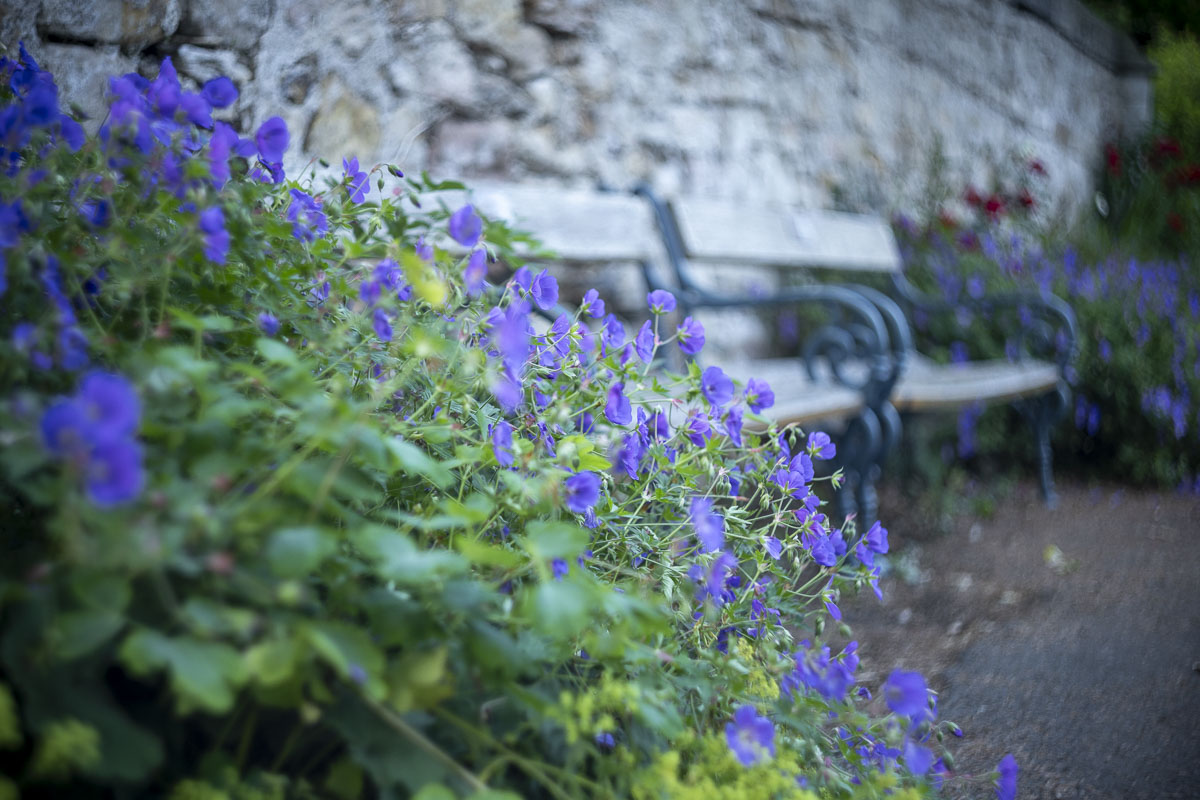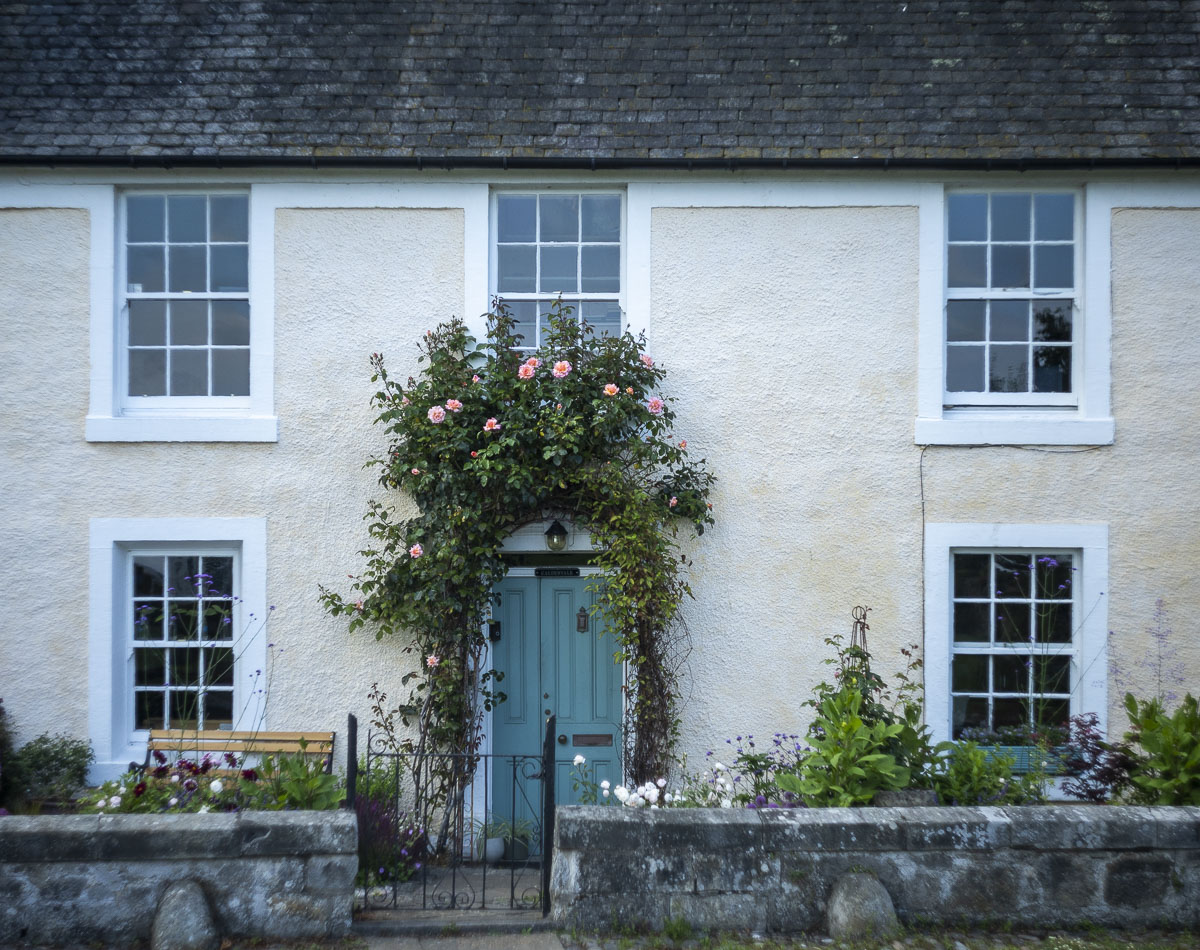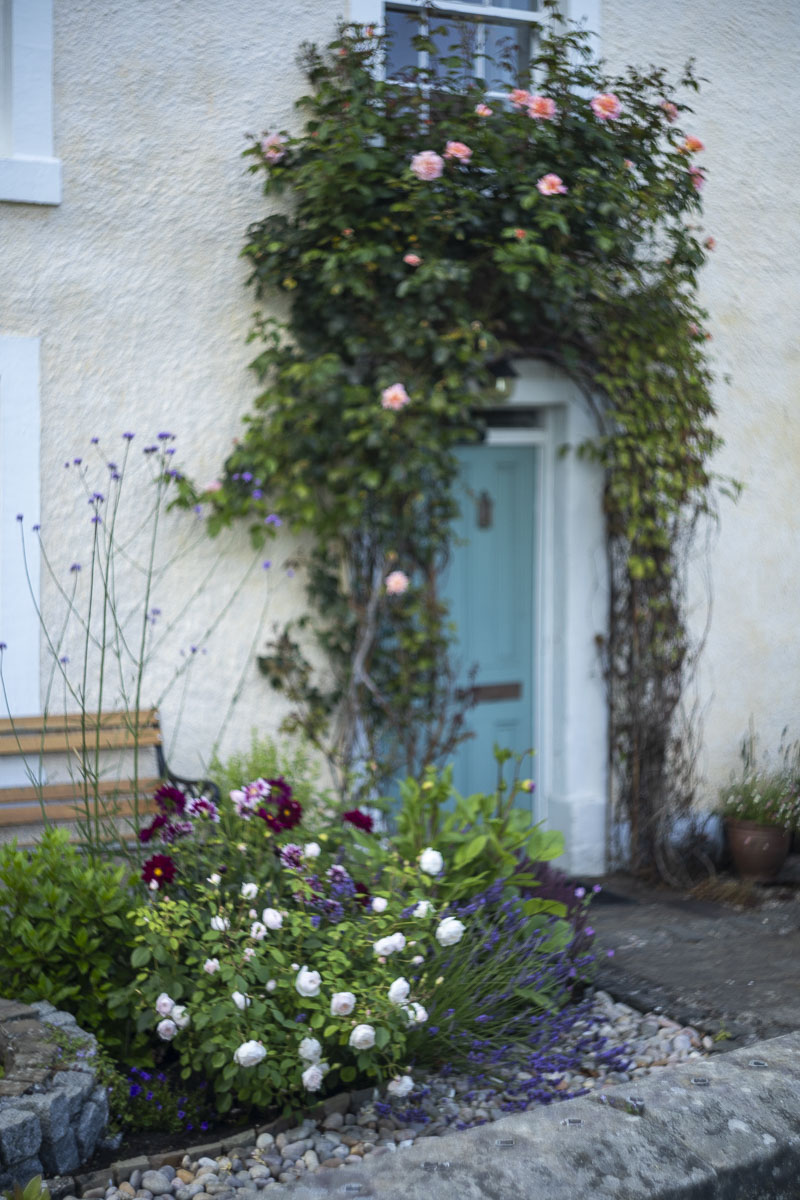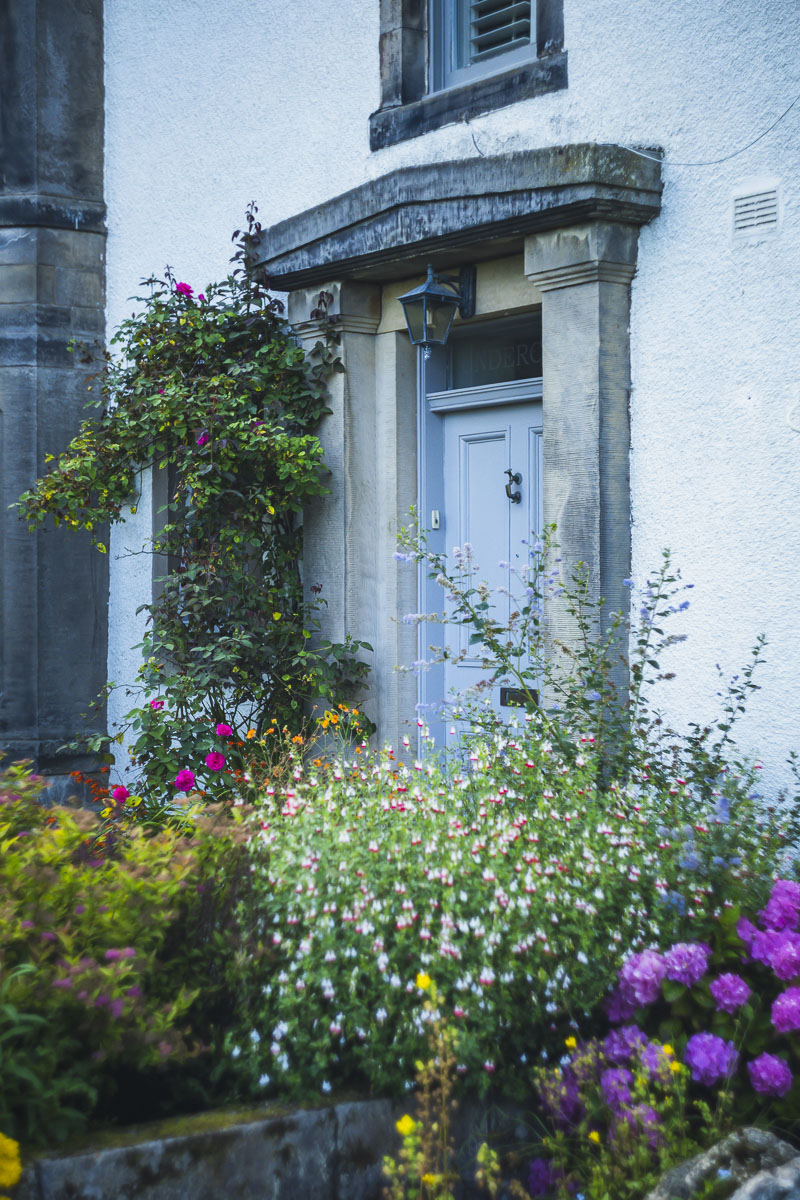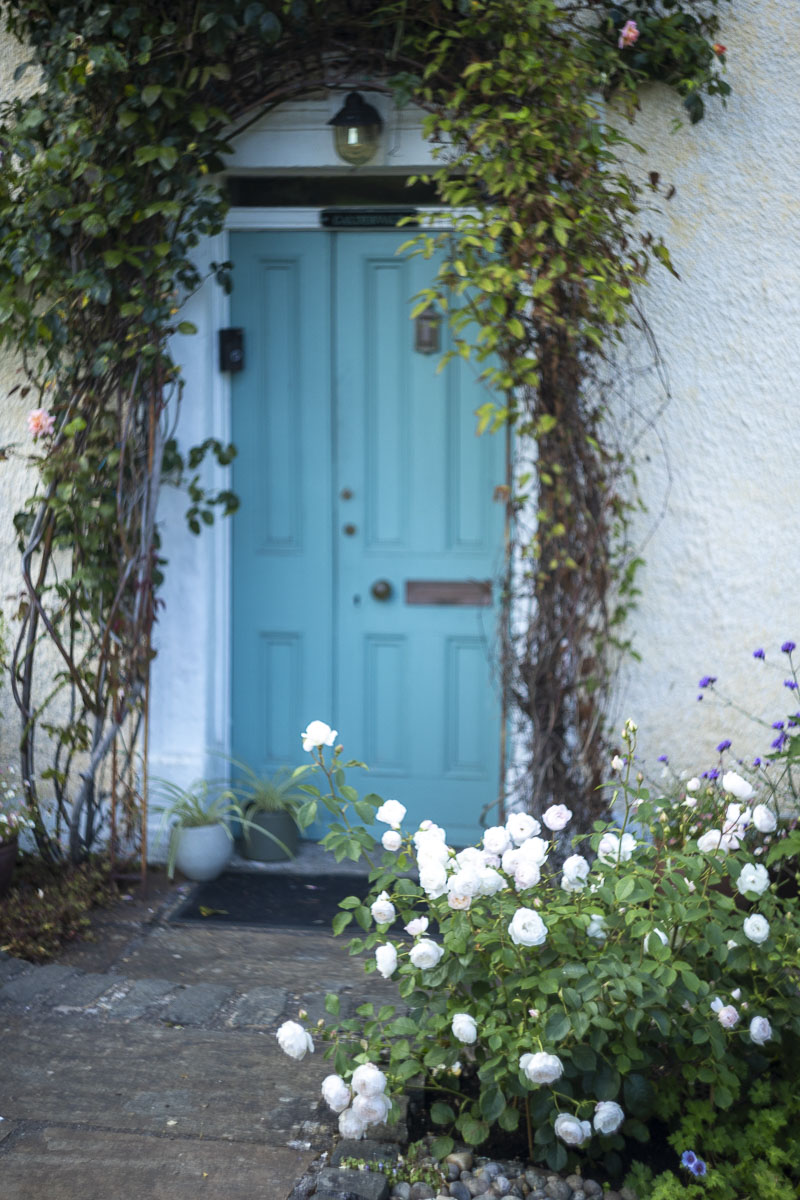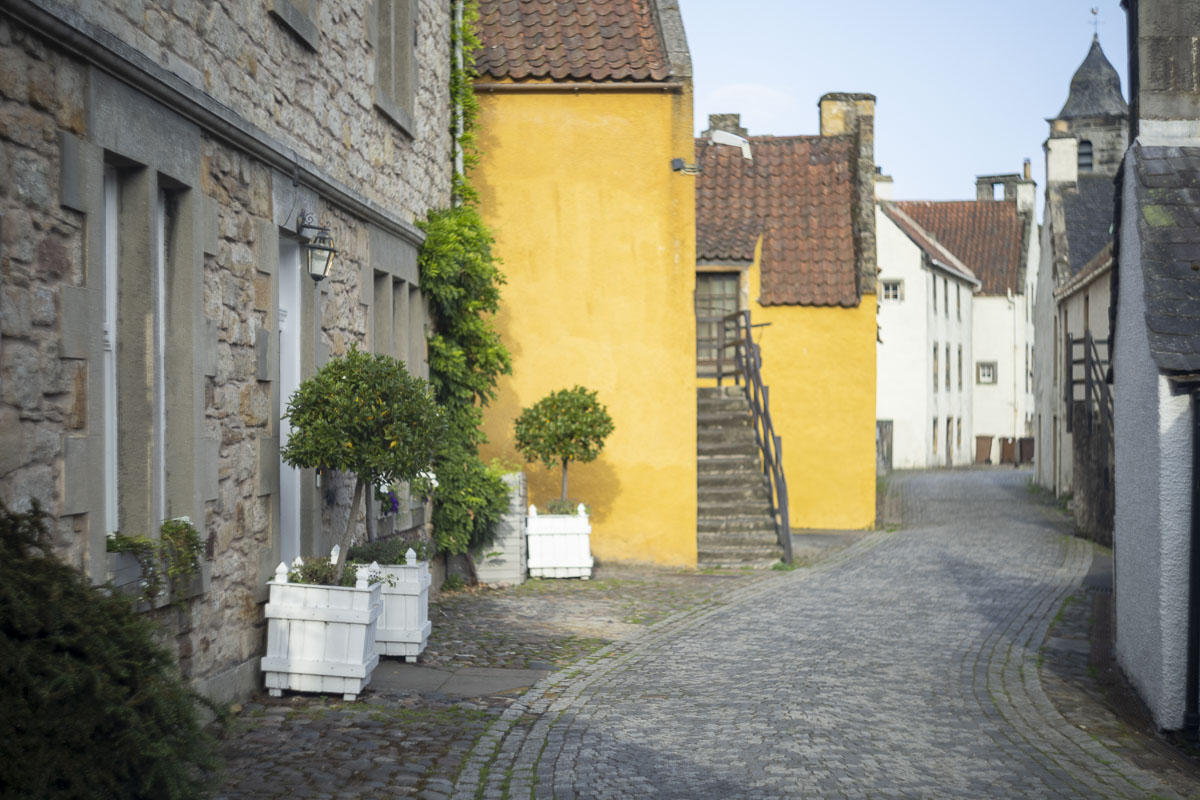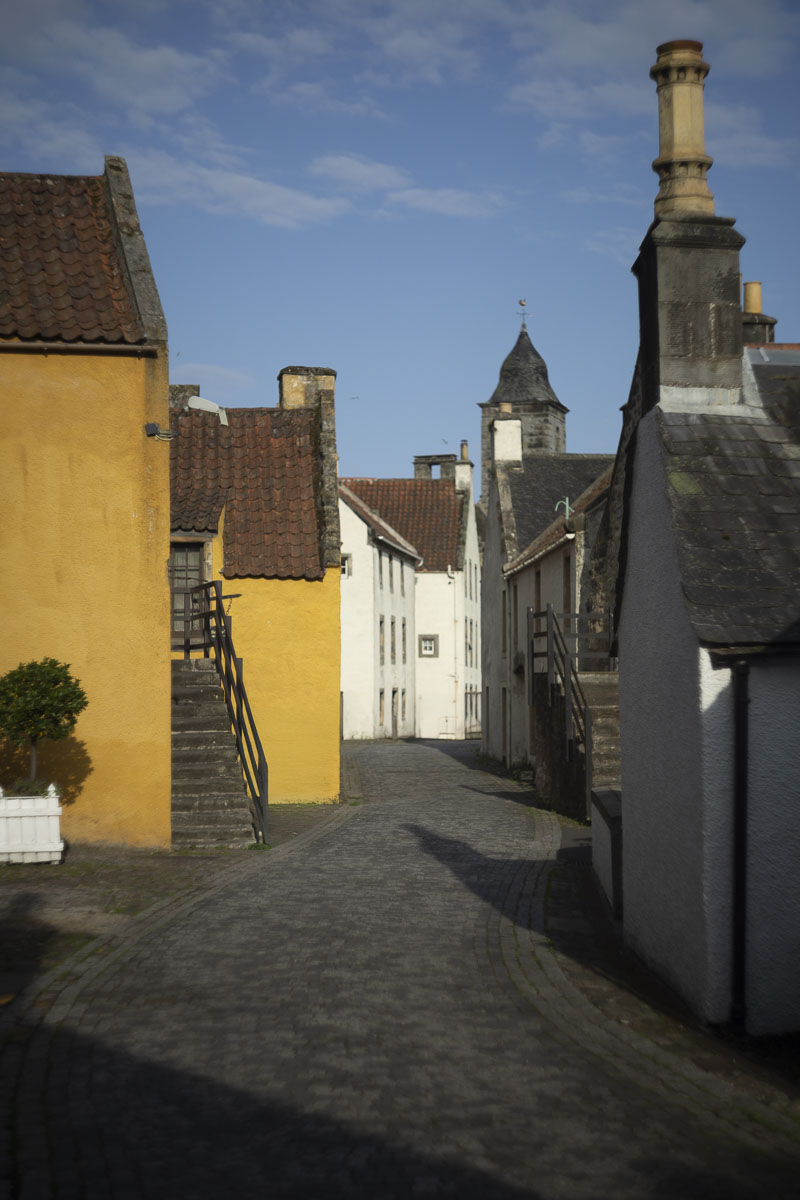
On a bright evening, we made our way to Culross, not far from home, one of Scotland’s most perfectly preserved historic villages.
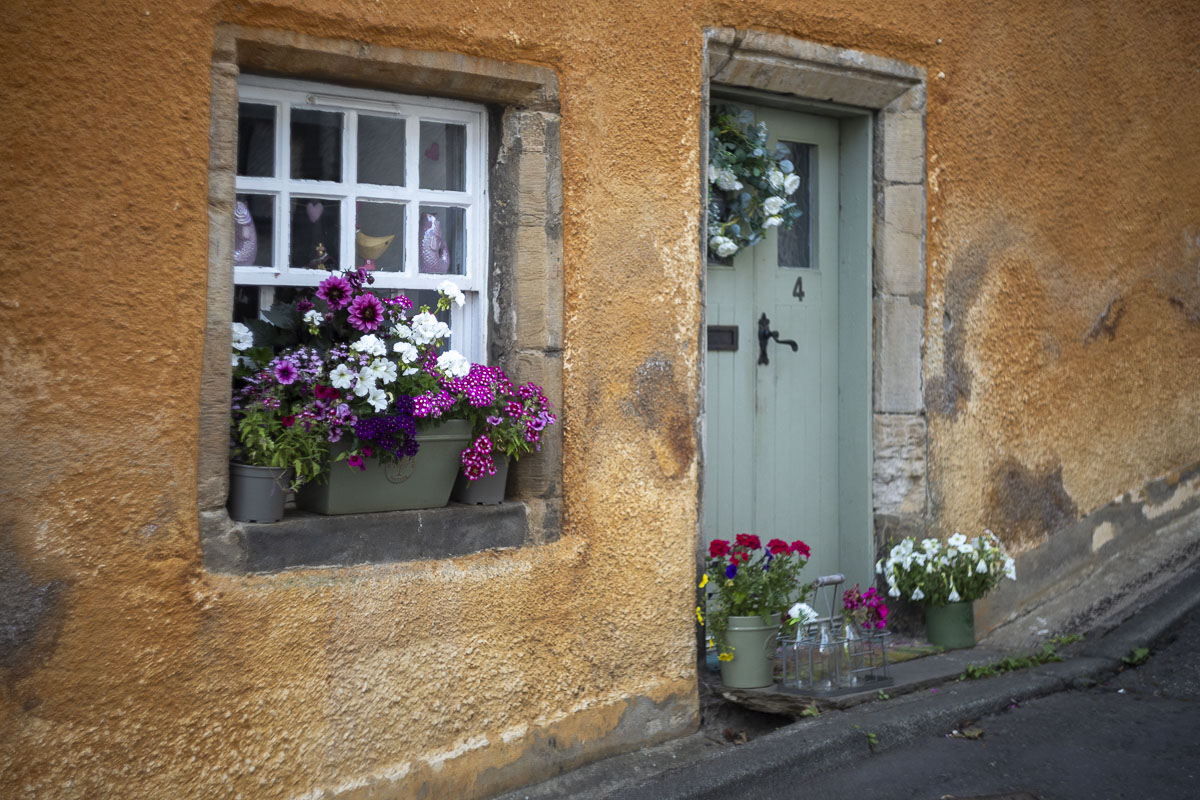
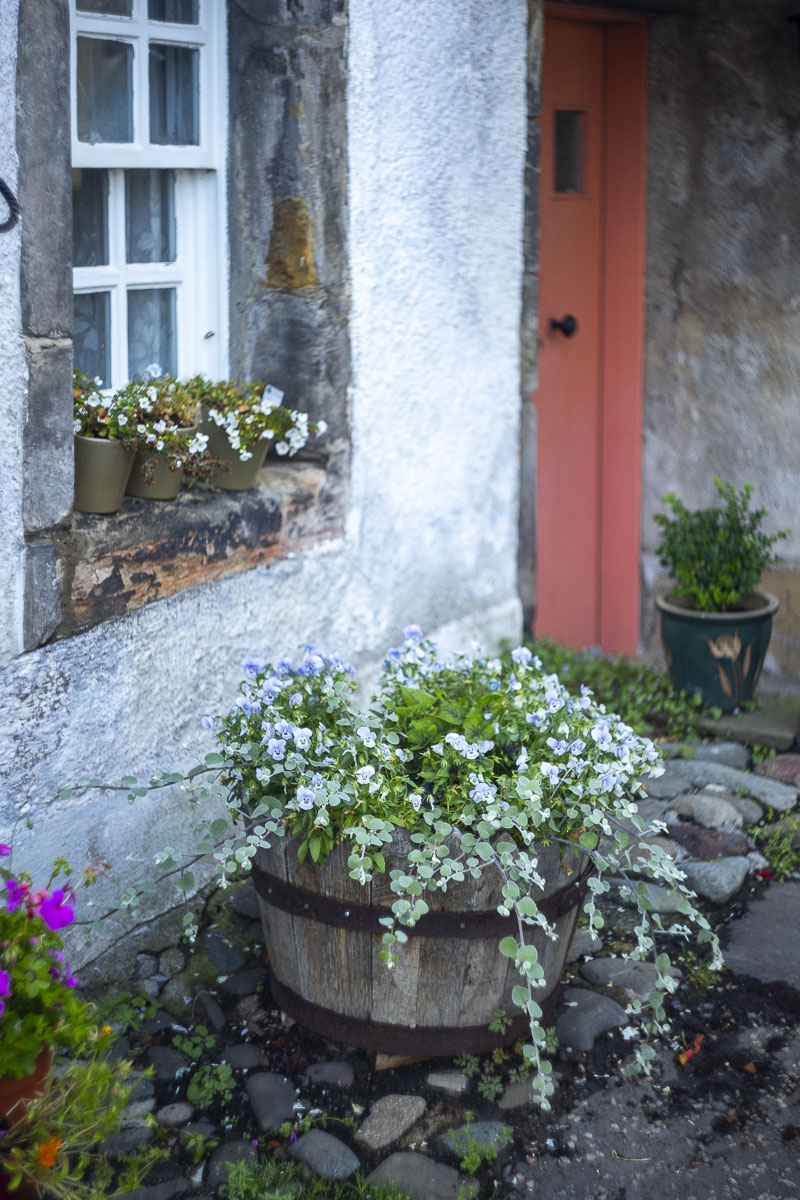
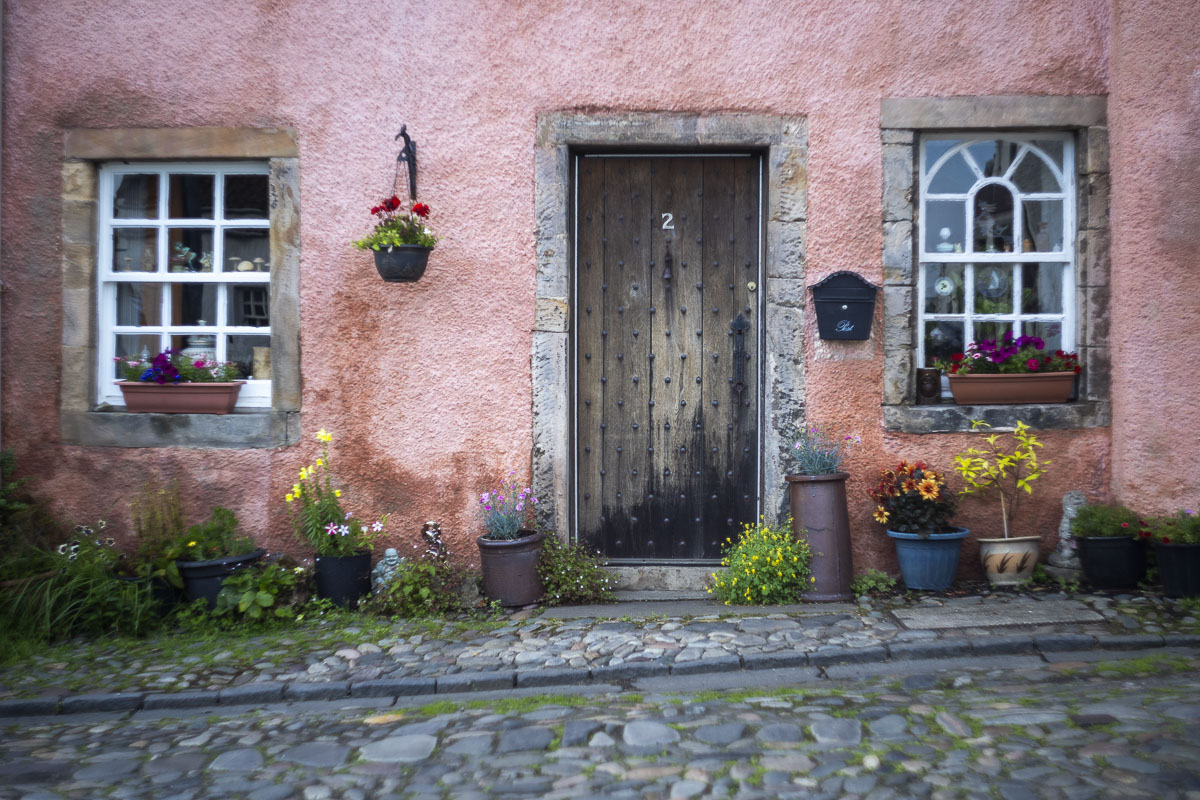
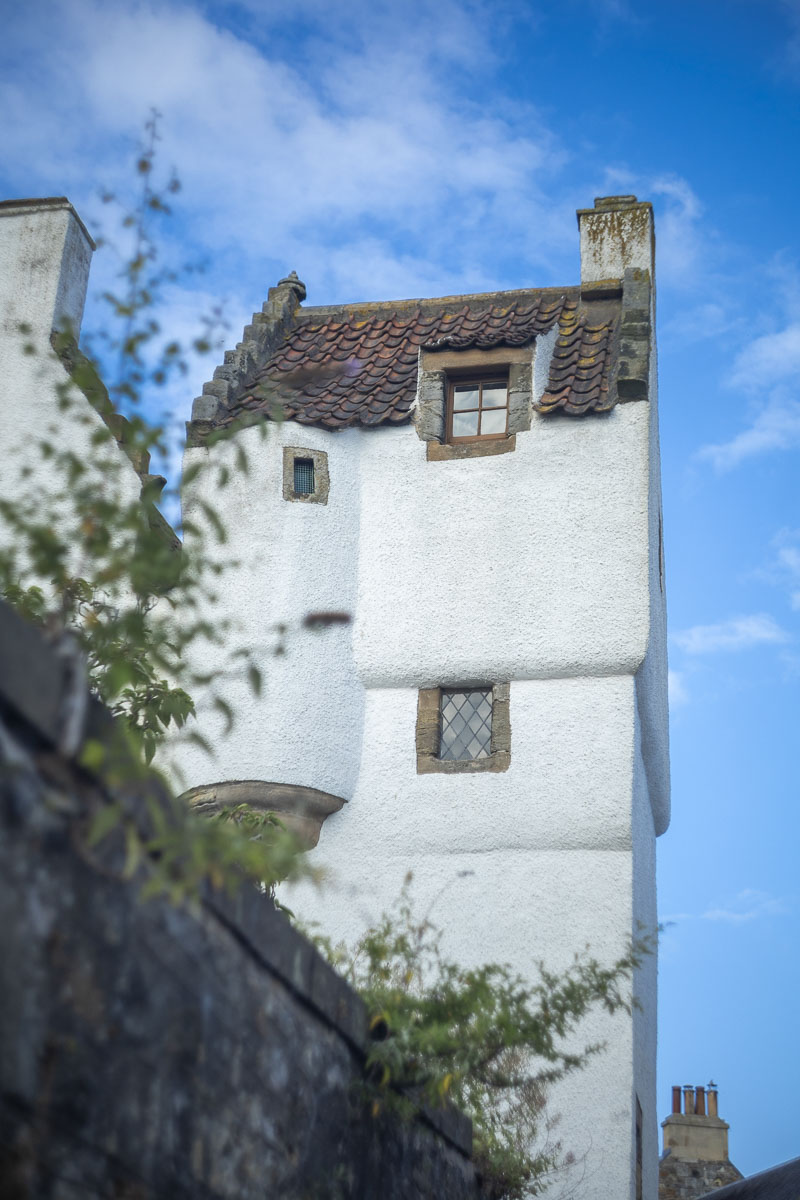
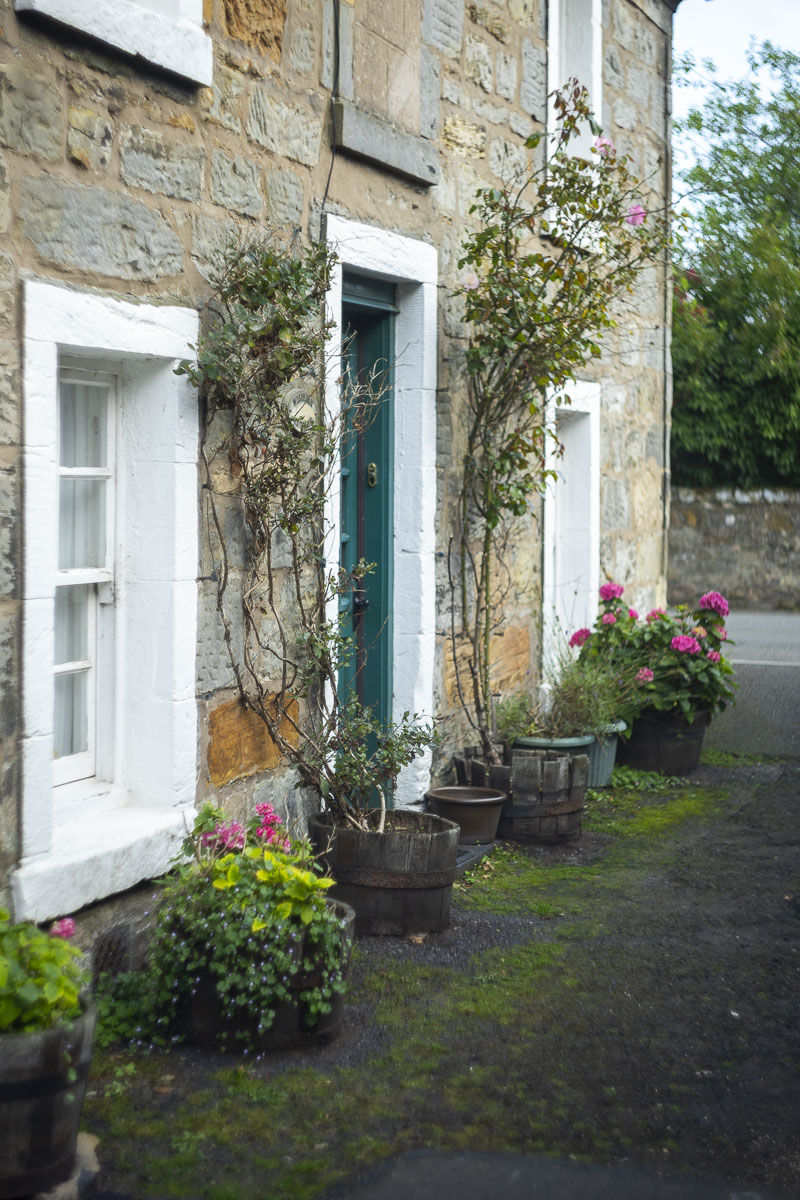
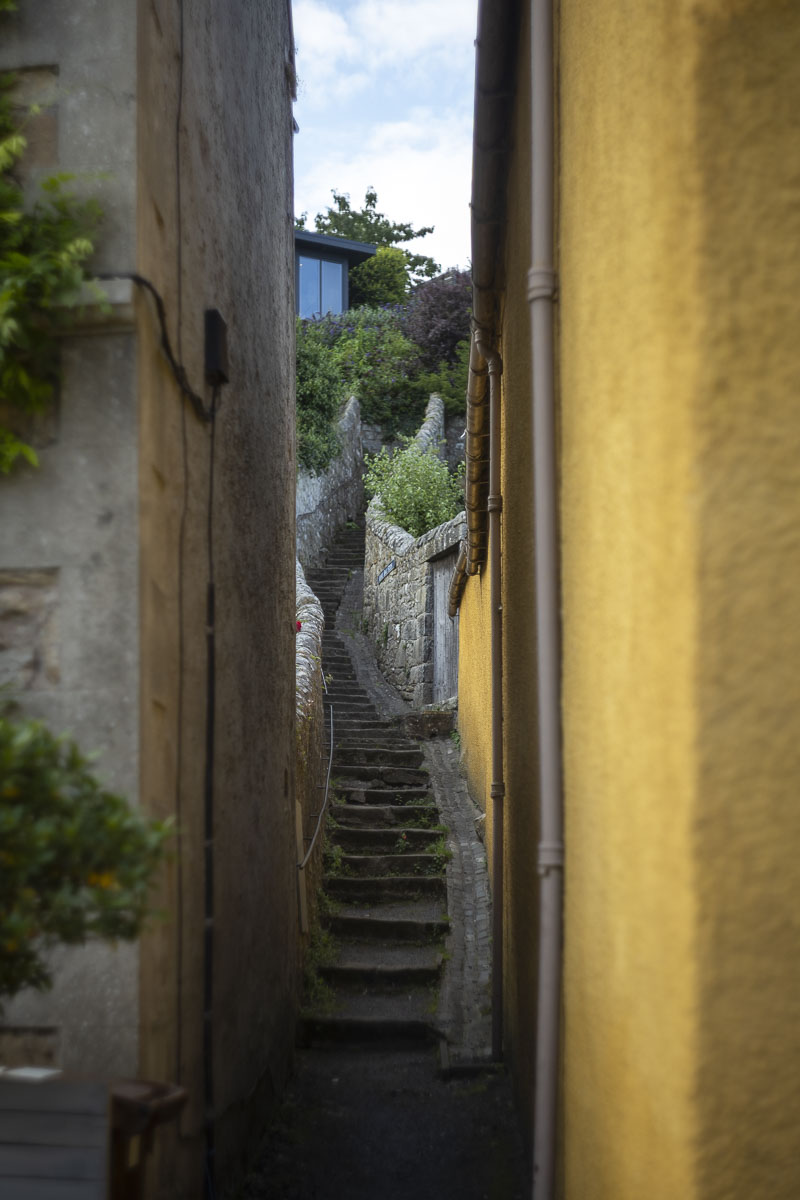
Tucked along the Firth of Forth in Fife, Culross feels like stepping straight into the 17th century. Its cobbled lanes, ochre-coloured houses, and the striking Culross Palace give the whole village a timeless atmosphere. The National Trust for Scotland cares for much of the village, and its preservation is remarkable. If you’ve seen Outlander, parts of the series were filmed here, which has only added to its charm and popularity.
Culross is easily reached by car, with parking on the edge of the village, and it’s a manageable day trip from both Edinburgh and Glasgow. The Palace, gardens, and village streets are all walkable, though the cobbles and slopes mean it’s best to wear sturdy shoes. More details on opening times and visiting can be found through the National Trust for Scotland website.
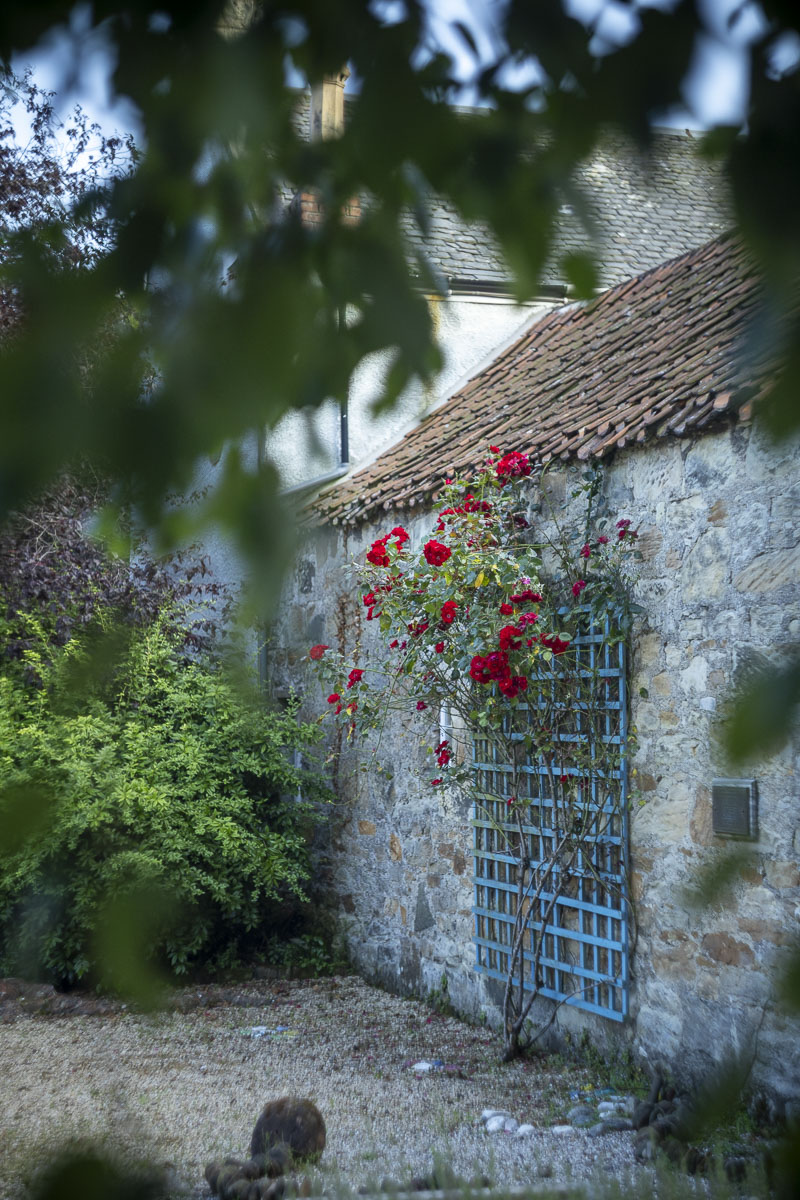
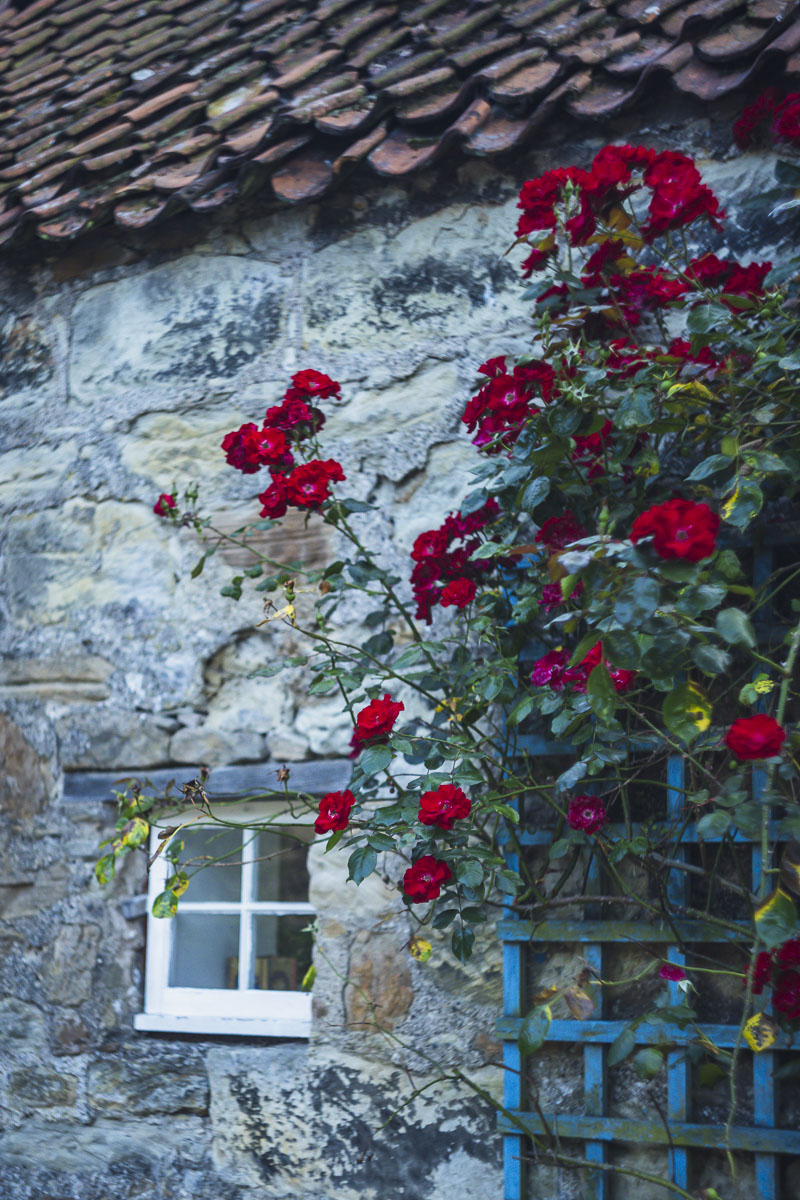
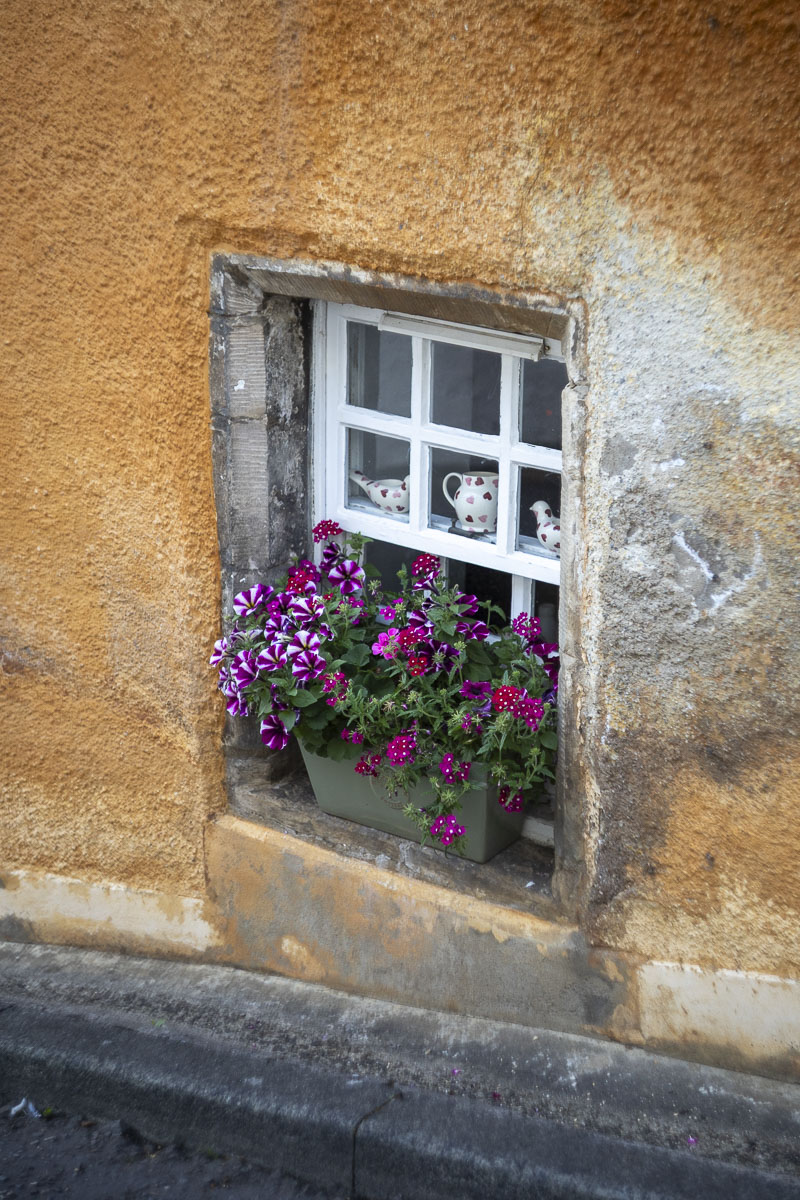
What strikes me most about Culross was how immersive it feels everytime we visit. The colours of the houses, the quietness of the back lanes, and the views down to the water all made me slow down and simply wander. It felt like every corner revealed another photograph waiting to happen. Unlike many historic sites that feel more like museums, Culross is still very much a lived-in place, and that balance makes it feel special.
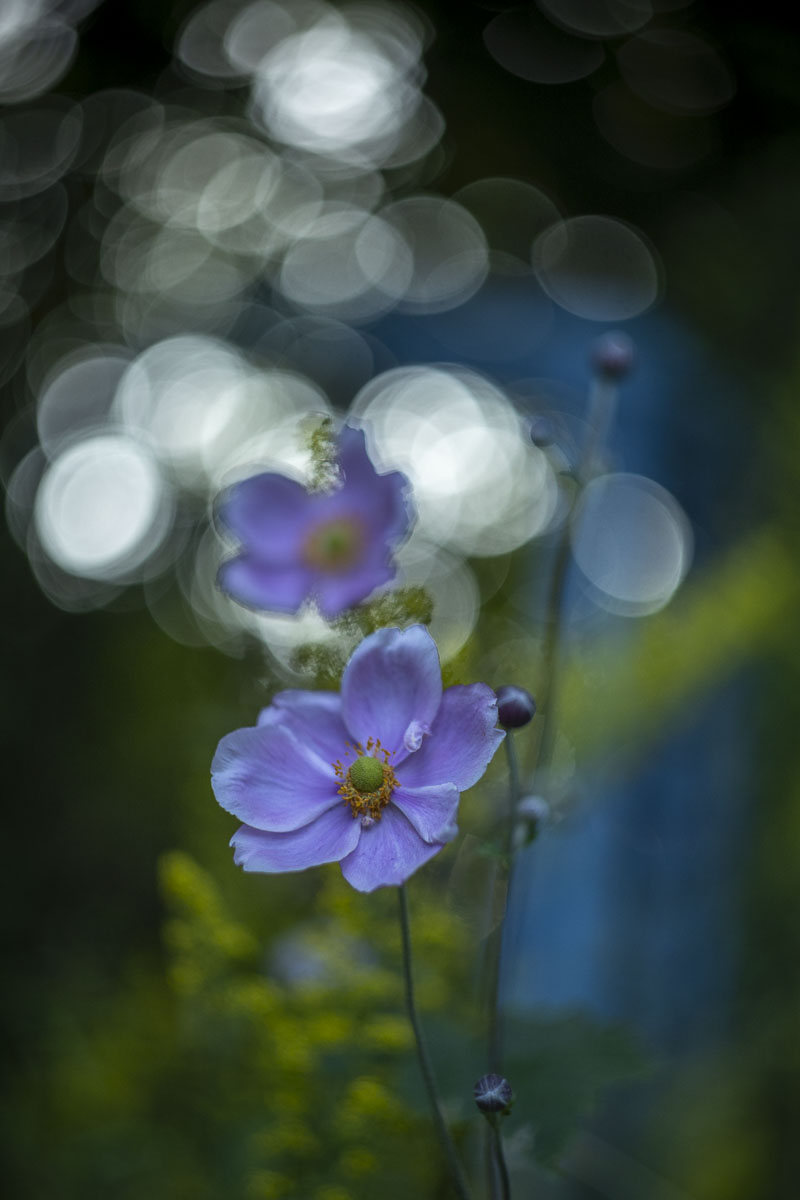
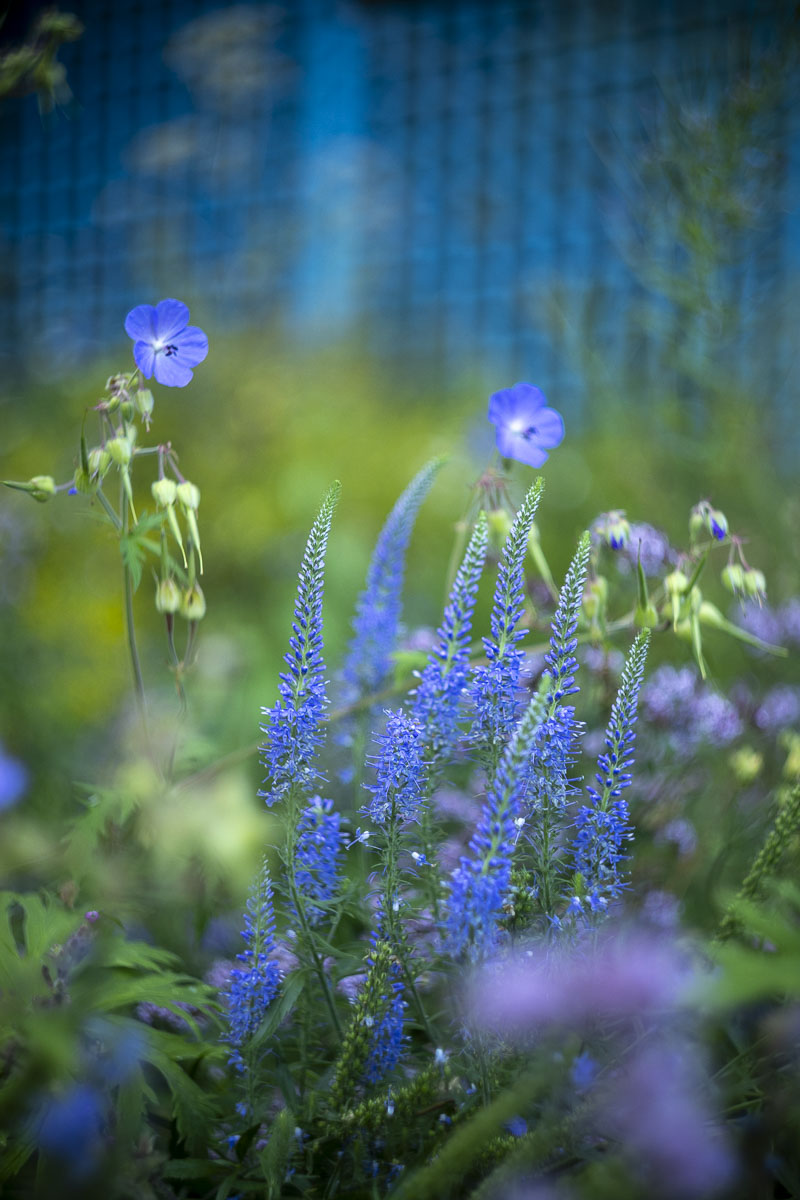
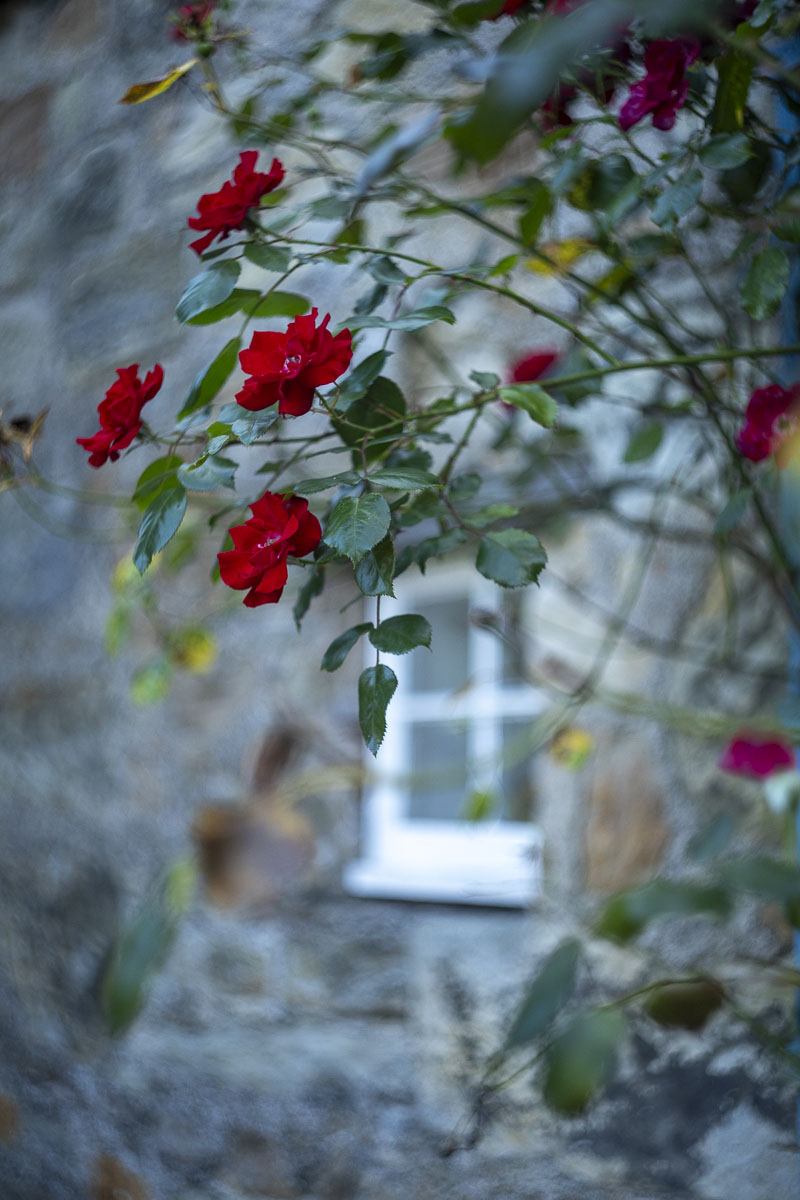
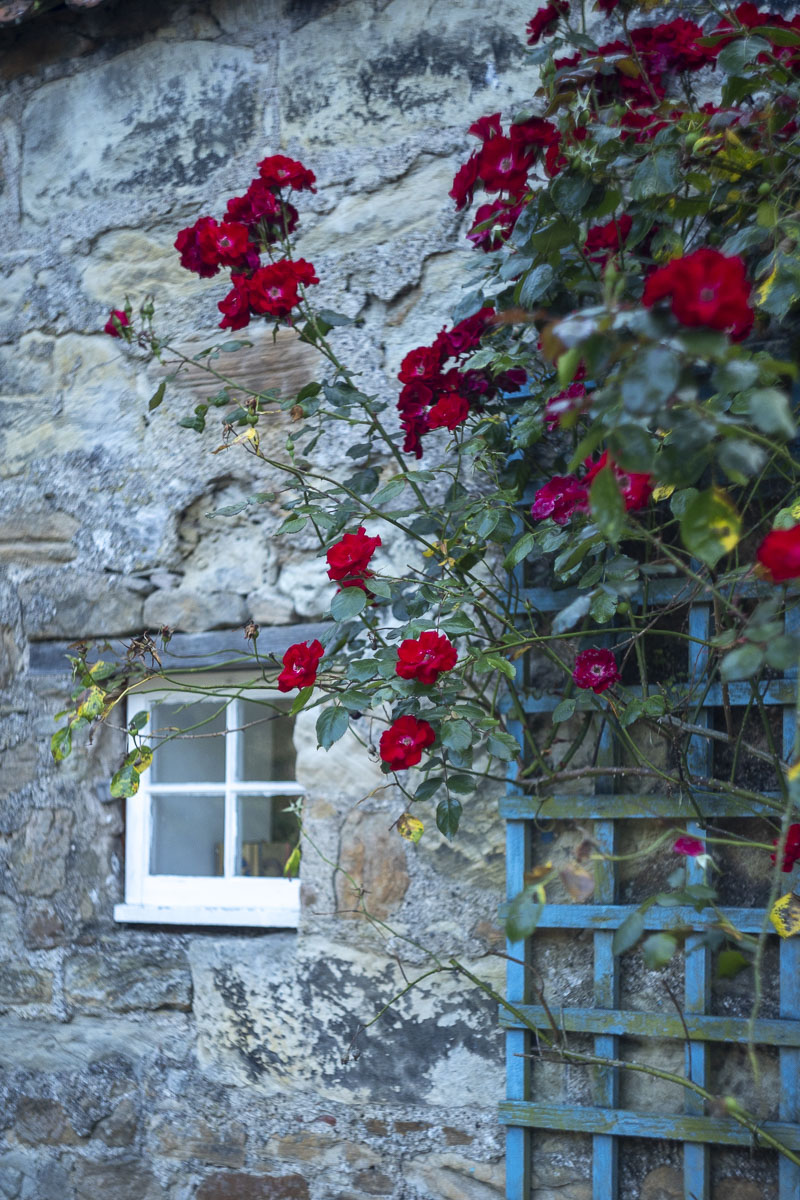
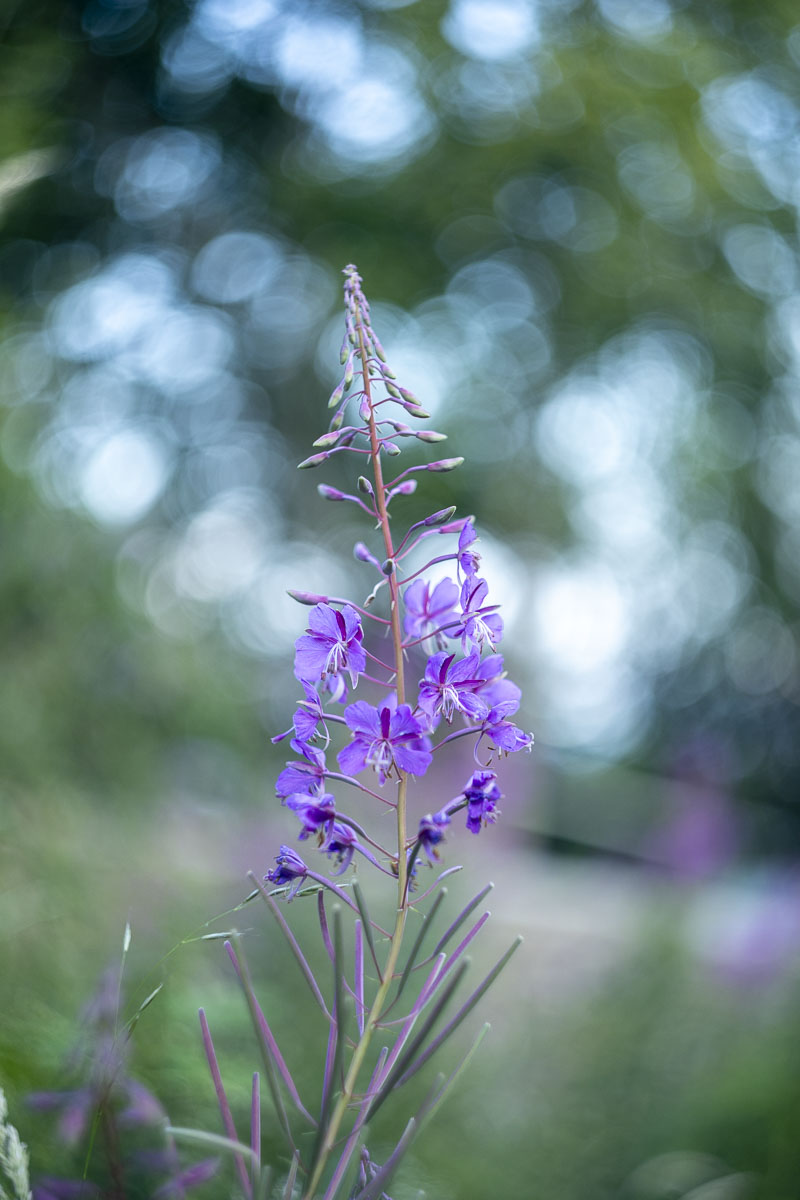
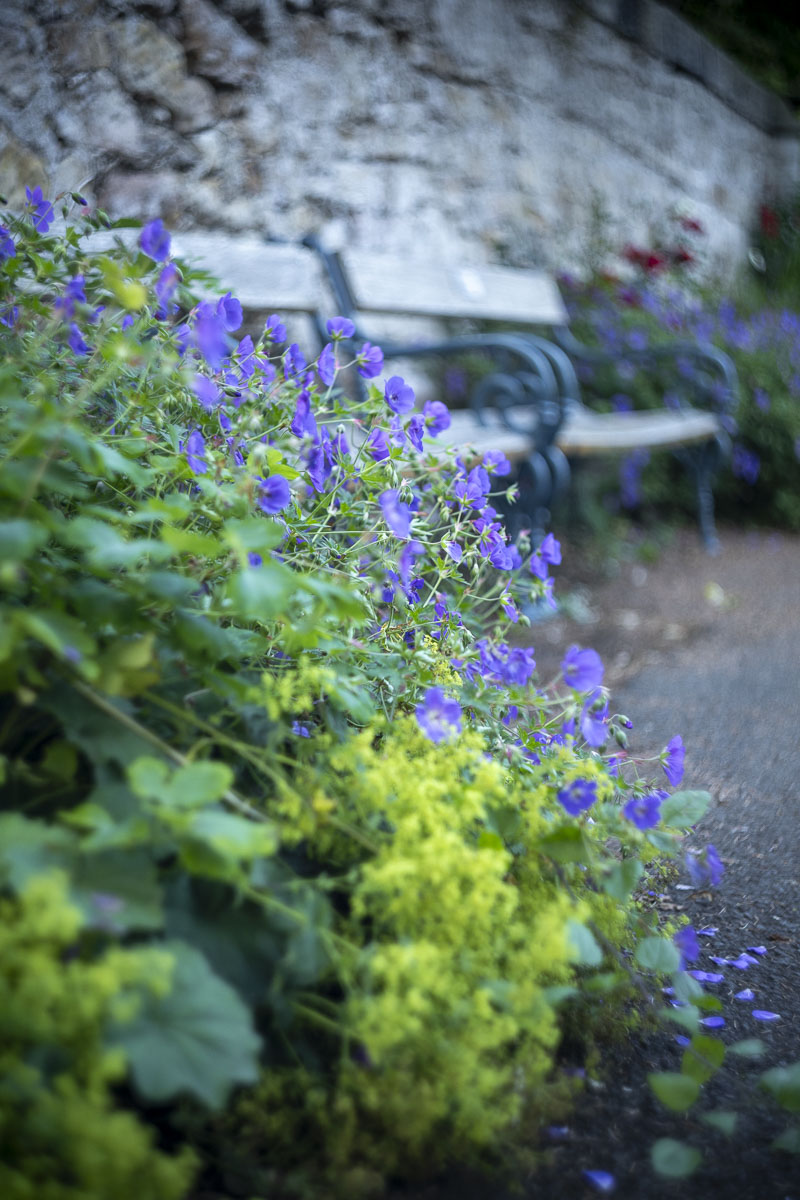
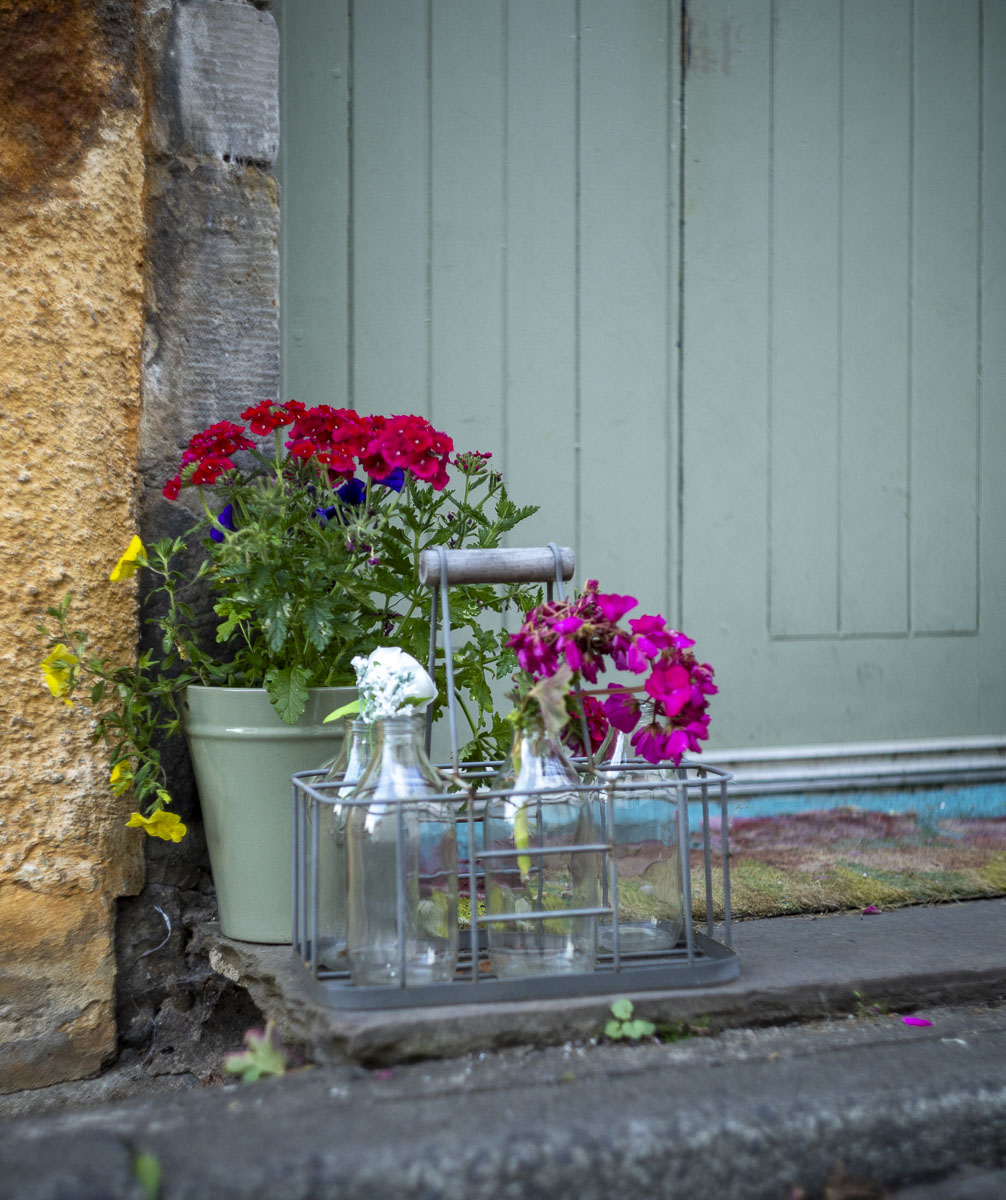
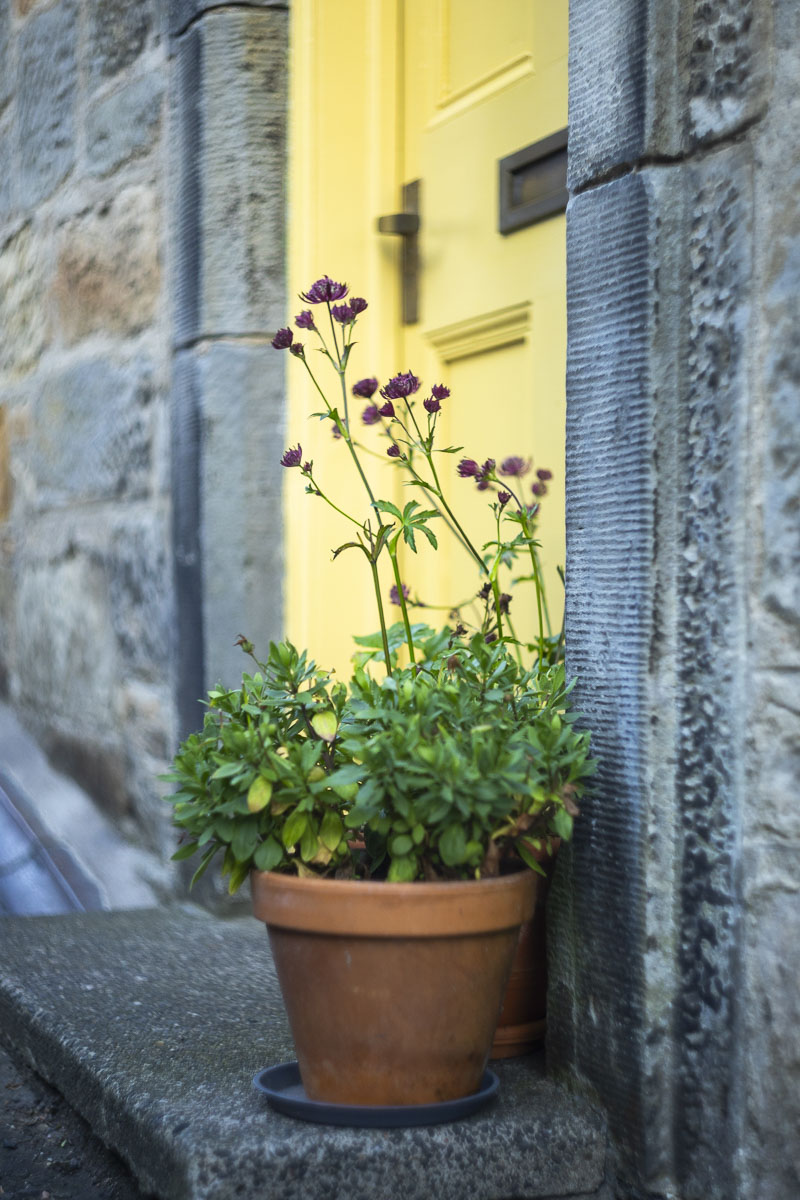
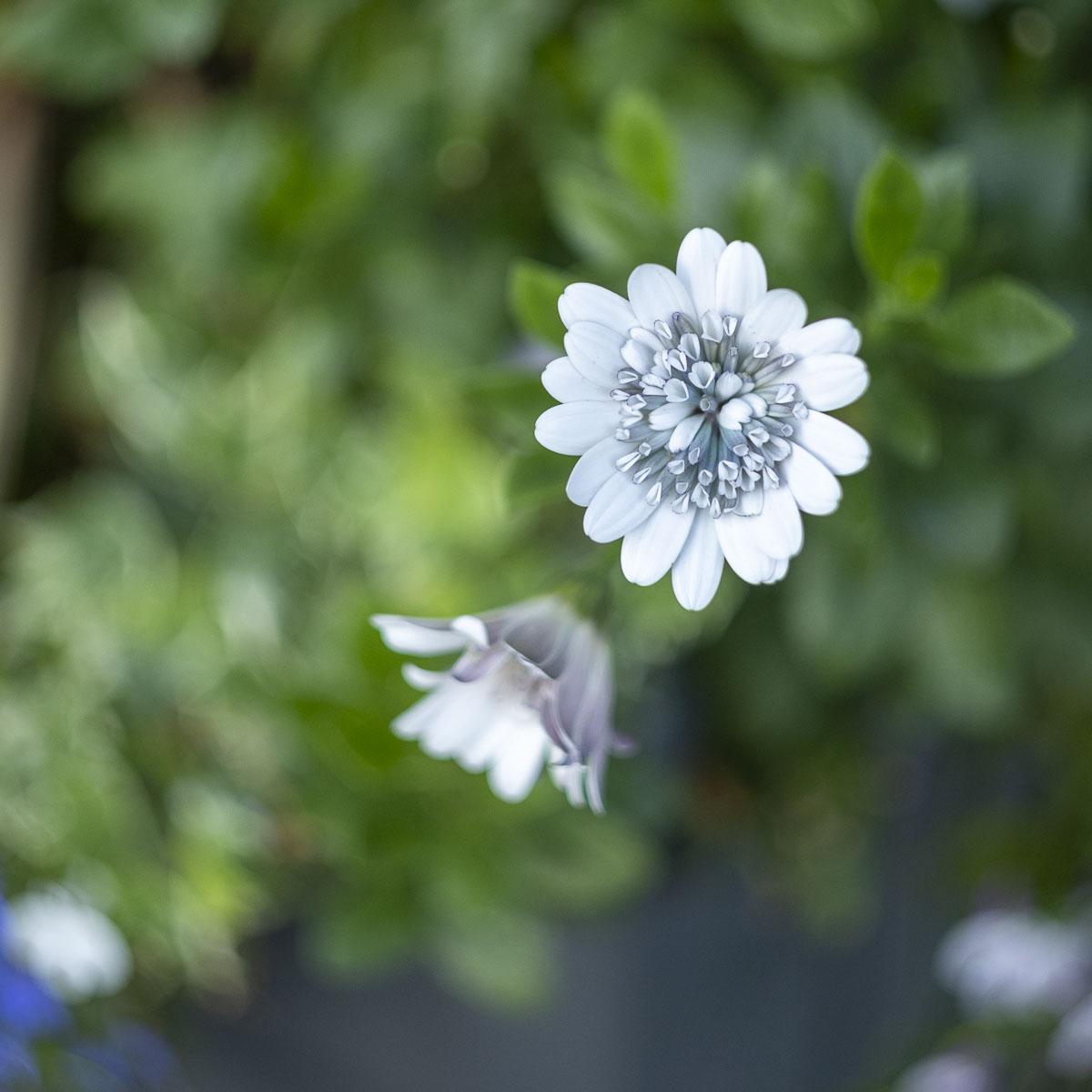
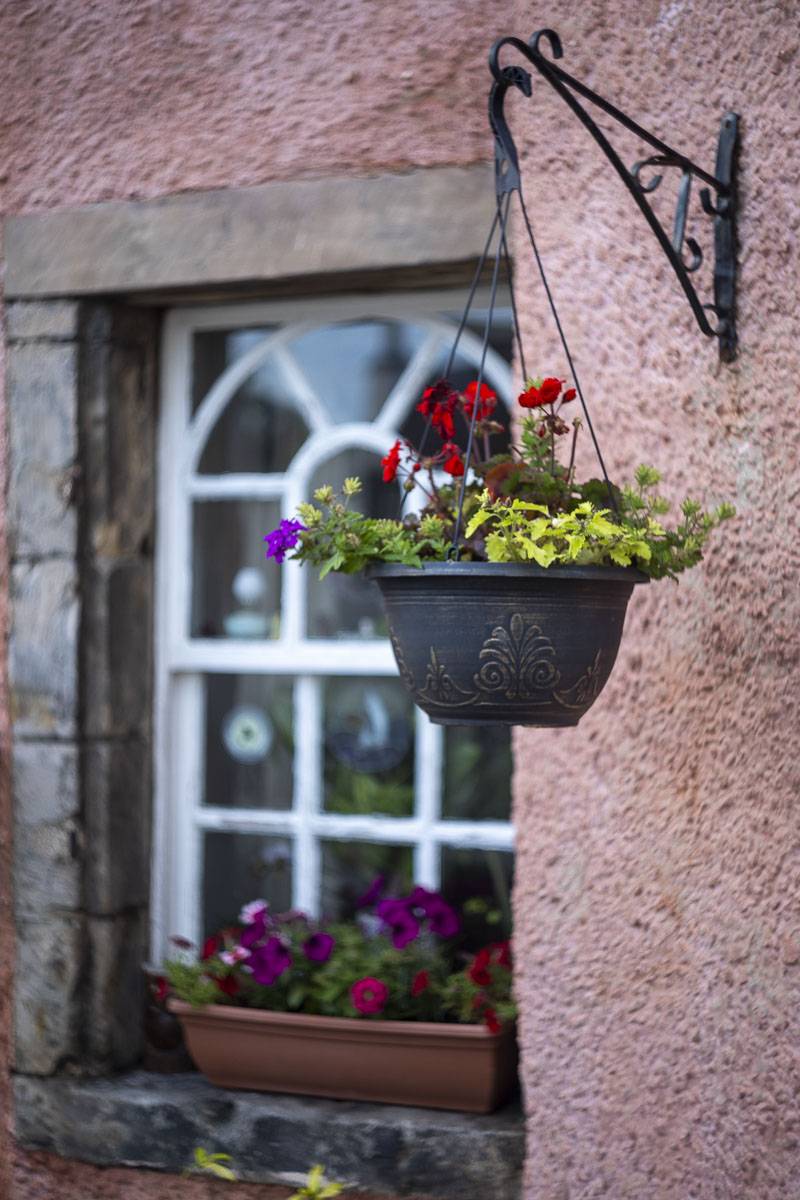
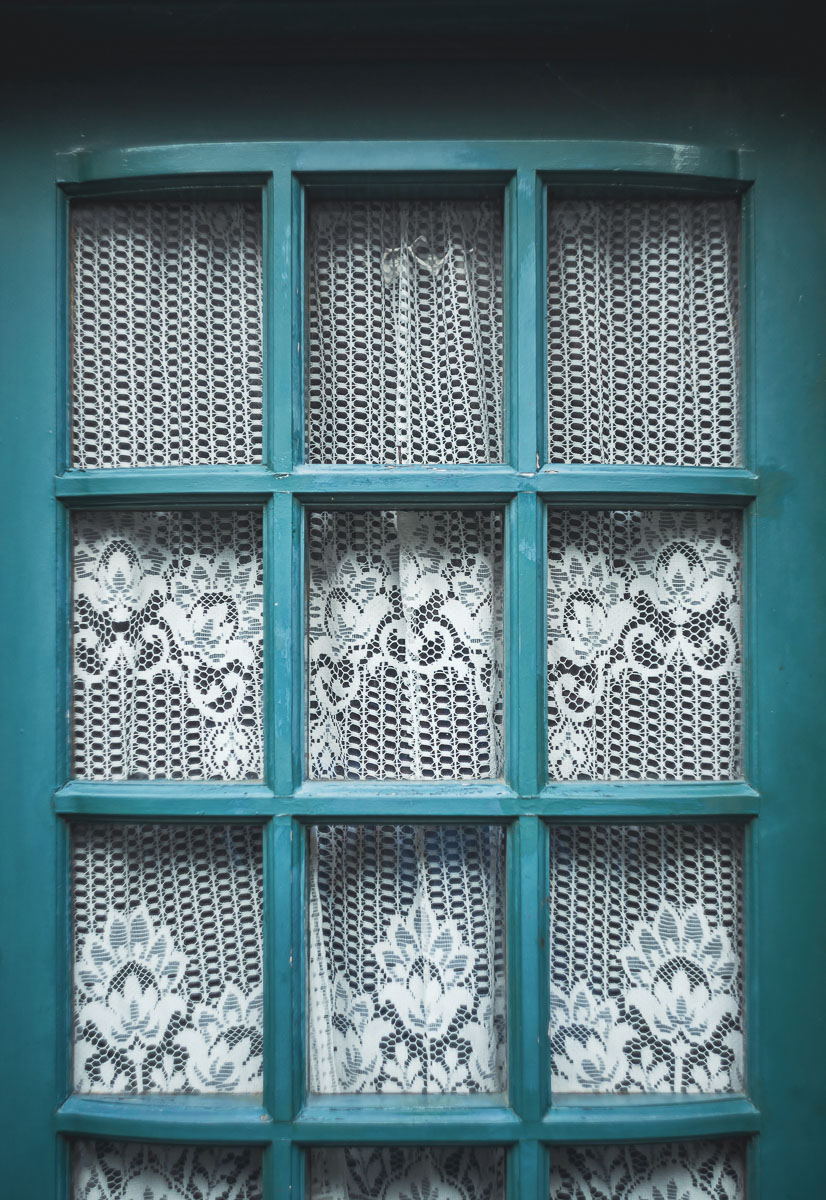
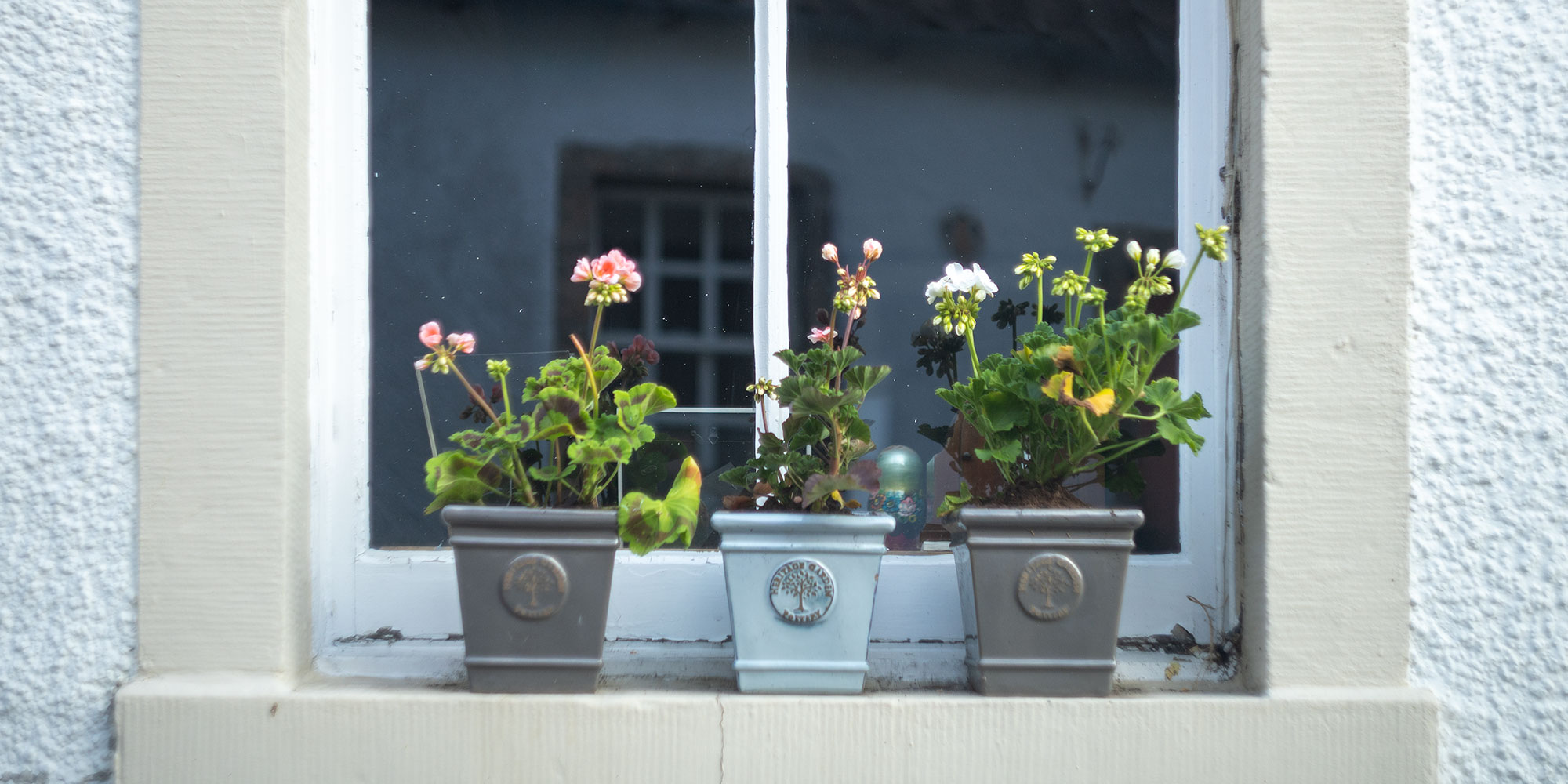
For this visit, I brought along the Biotar 58mm f/2, a classic vintage lens known for its swirly bokeh and distinctive rendering. It brought such character to the shots — especially when photographing flowers in the Palace garden and the textured walls of the houses. The lens softened the village’s details just enough to give the images a dreamlike quality, while still holding onto sharpness in the centre. It’s a lens that rewards patience and a slower, more considered way of photographing, which suited Culross perfectly.