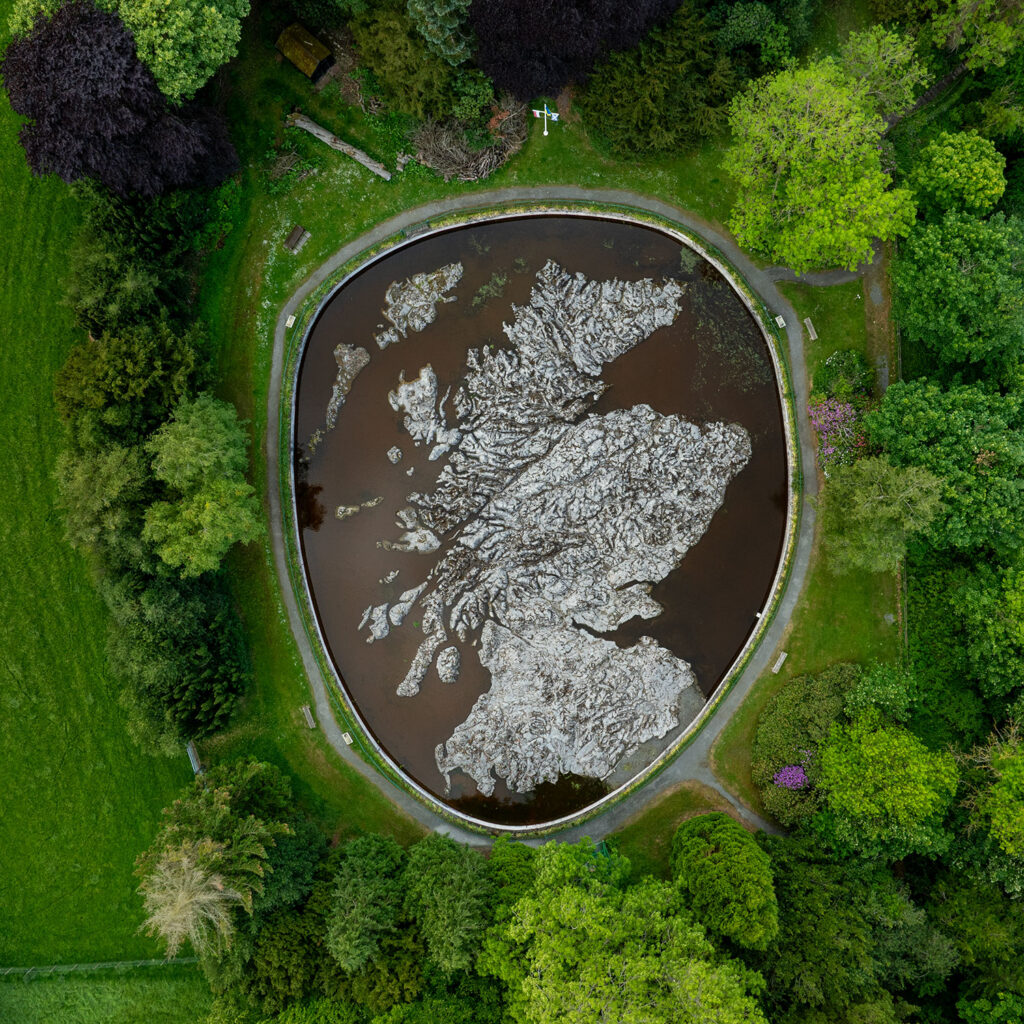
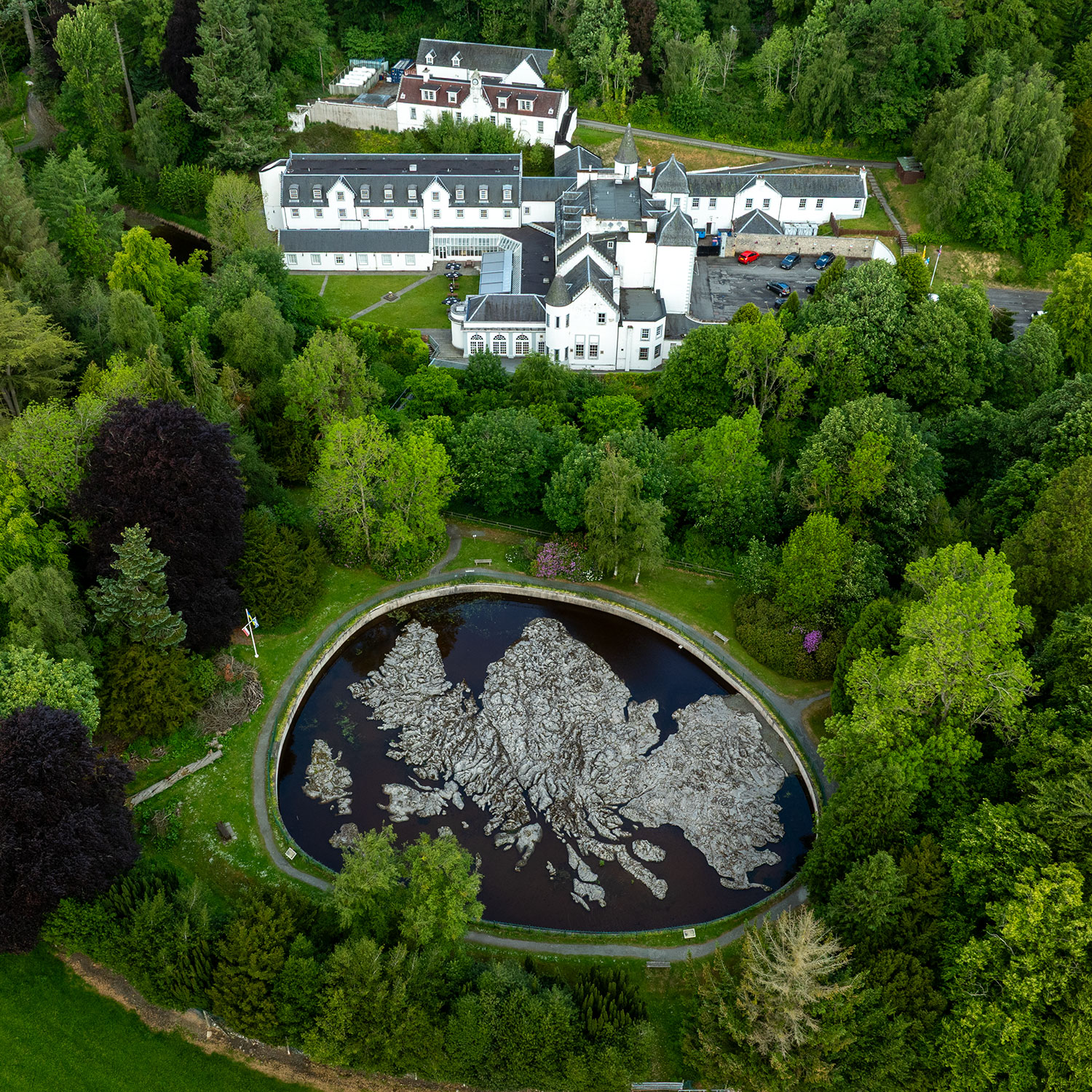
Tucked away in the grounds of a hotel in the Scottish Borders is something totally unexpected — a giant 3D map of Scotland, made out of concrete. It’s called the Great Polish Map of Scotland, and it has a really unique backstory.
After the Second World War, a Polish soldier named Jan Tomasik settled in Scotland. He’d fought alongside the British Army and ended up staying in the UK after the war, eventually buying the Barony Castle Hotel near Peebles. In the 1970s, he had a wild idea — to build a massive outdoor map of Scotland in the hotel grounds. And not just a flat one — a full-on raised relief map, showing the contours of the land.
He brought in a Polish geography professor, Kazimierz Trafas, to help design it. Together with a team of students and workers, they started building it in the late 70s. The map is huge — about 50 metres across — and it shows every mountain, loch, and island, all to scale.
Over time, the map fell into disrepair and was overgrown. But in the 2010s, a group of volunteers and history lovers started restoring it. Now it’s open to the public again and has become a quirky, off-the-beaten-path attraction — a symbol of the friendship between Poland and Scotland.
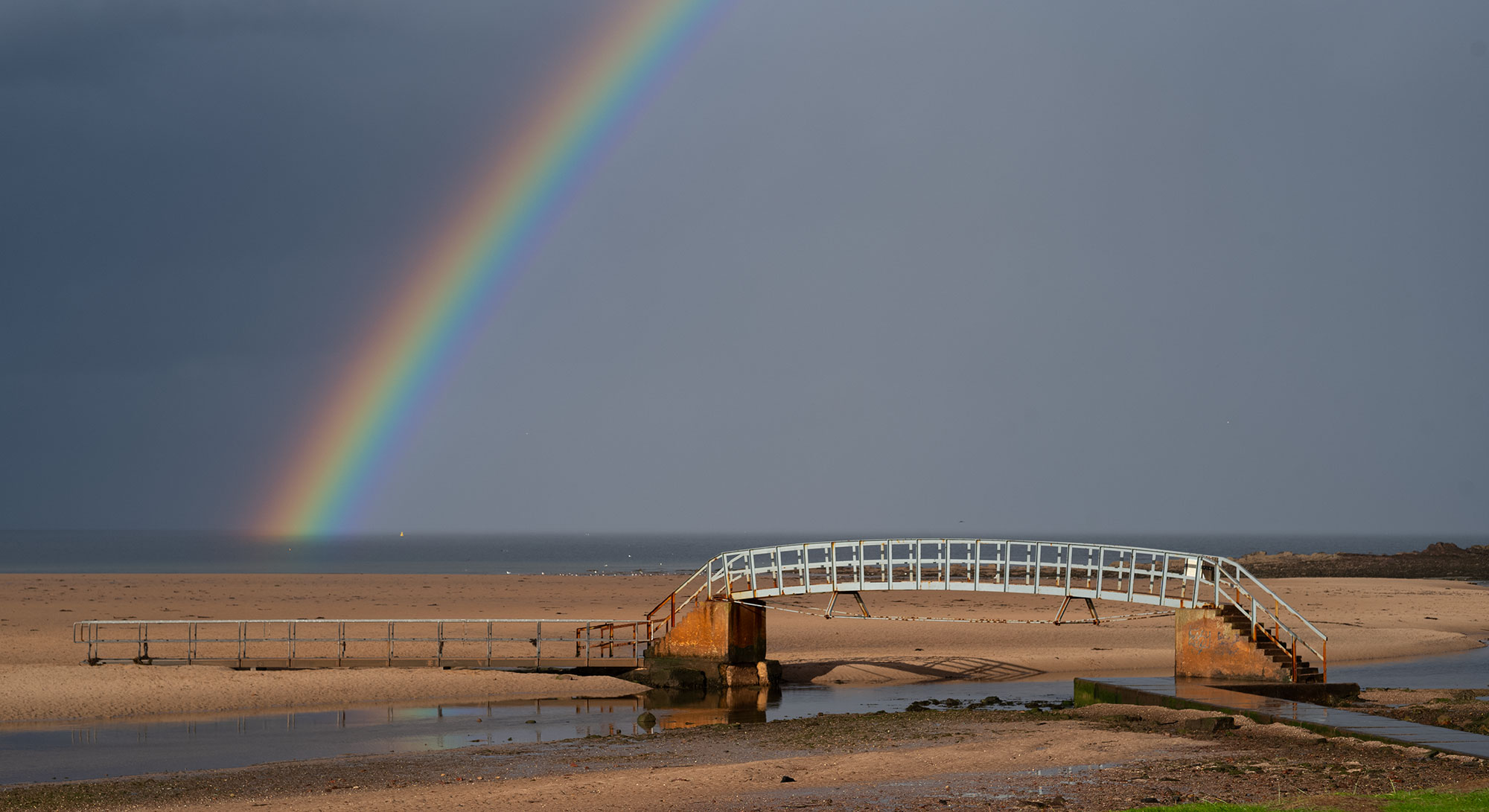
Bridge to Nowhere, Dunbar
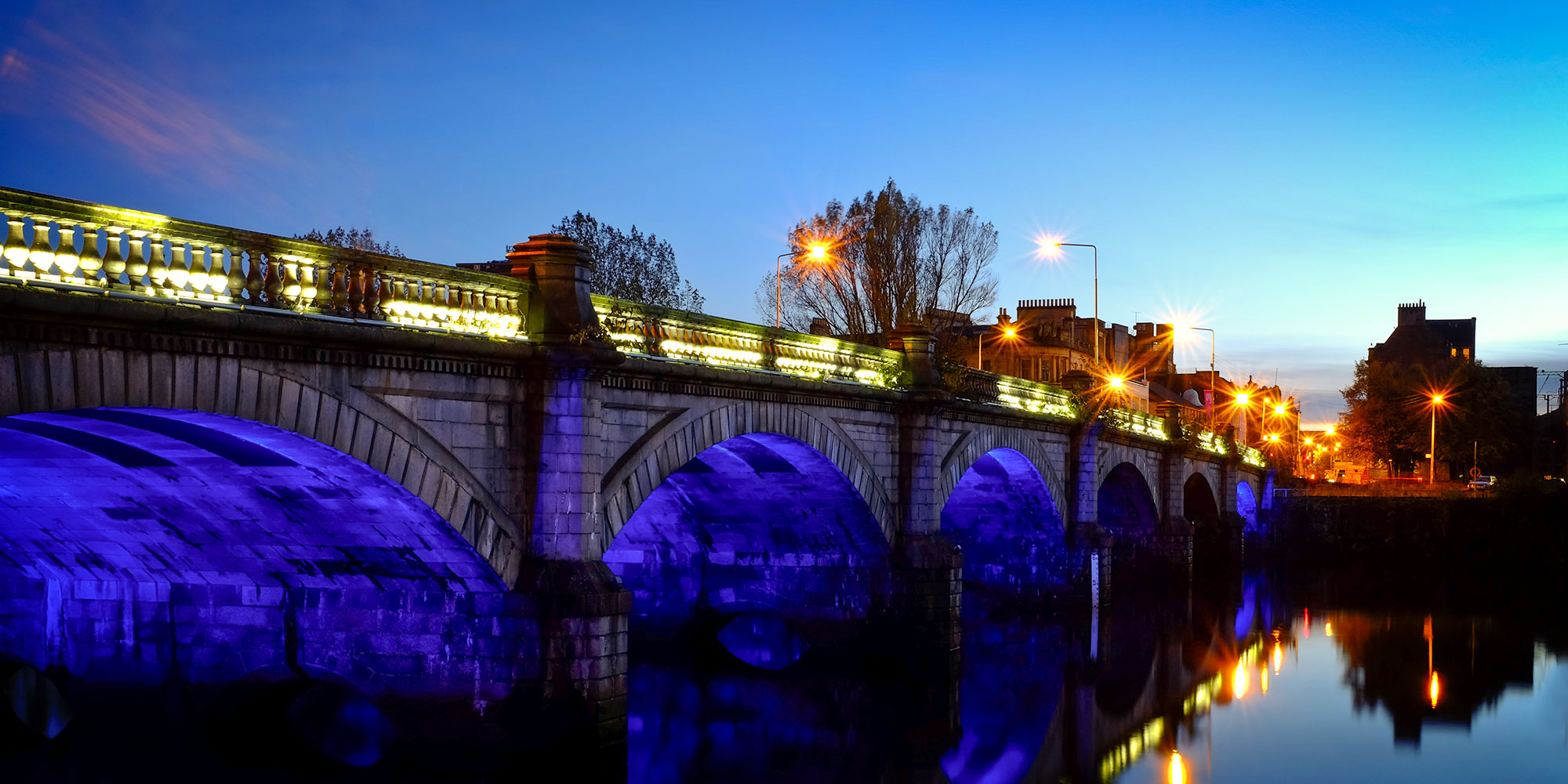
The Bridge to Nowhere, or Belhaven Bridge, looks totally odd – especially at high tide as you might wonder where is this bridge going.
It does make sense though during low tide as you can cross the stream. It’s relatively easy to find, just a few metres away from the carpark.
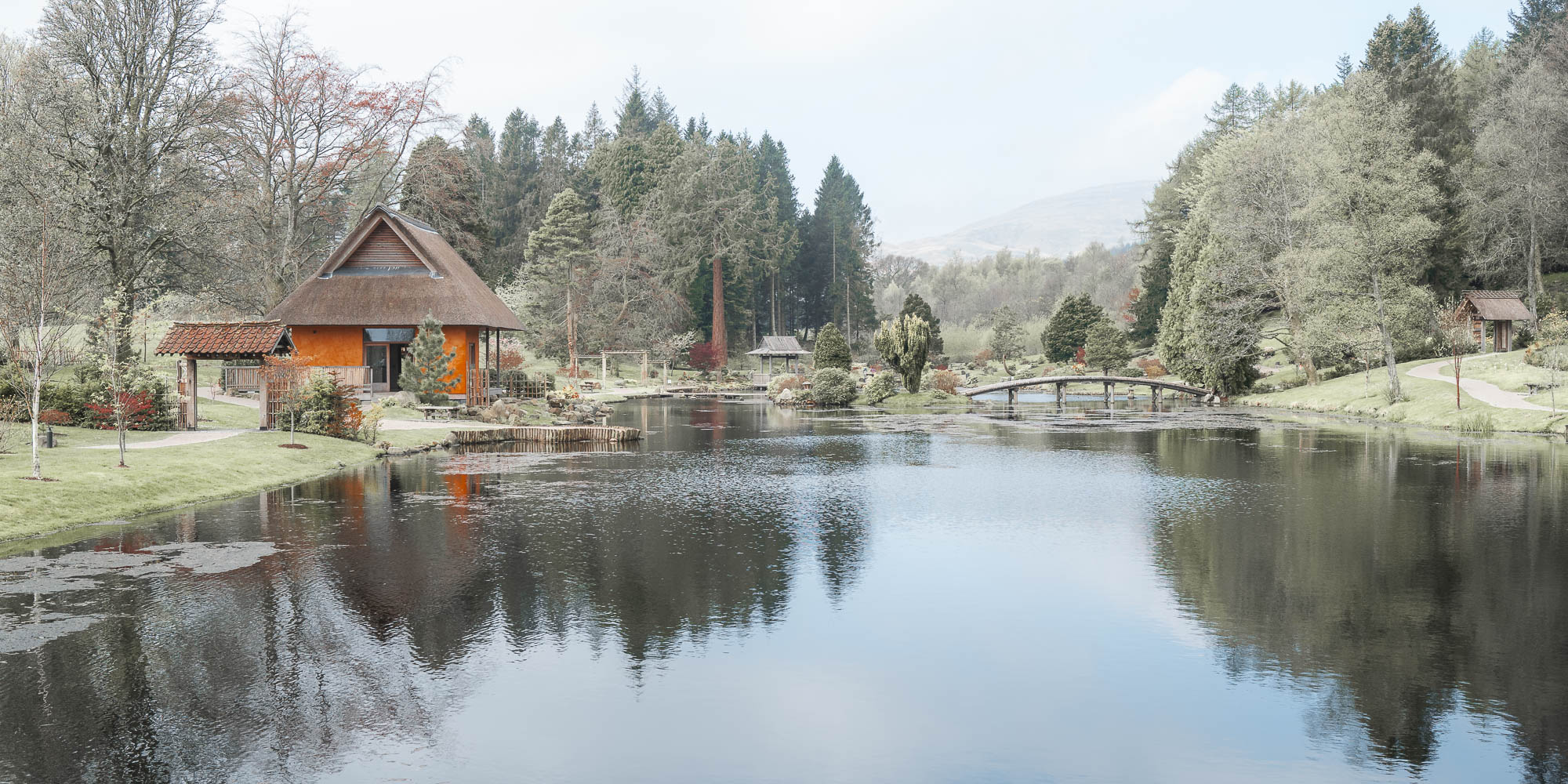
Japanese Garden, Dollar, Scotland
The Japanese Garden at Cowden, near Dollar, Scotland, is a serene blend of Japanese and Scottish influences, created in 1908 by designer Taki Handa for adventurer Ella Christie.
Renowned as one of the West’s most important Japanese gardens, it features a tranquil pond, symbolic bridges, traditional structures, and seasonal highlights like cherry blossoms and autumn acers. Visitors can also explore family-friendly trails in the surrounding Stewart Adventure Woodland.
With its rich history and peaceful atmosphere, Cowden Garden offers a unique escape in the Scottish countryside.
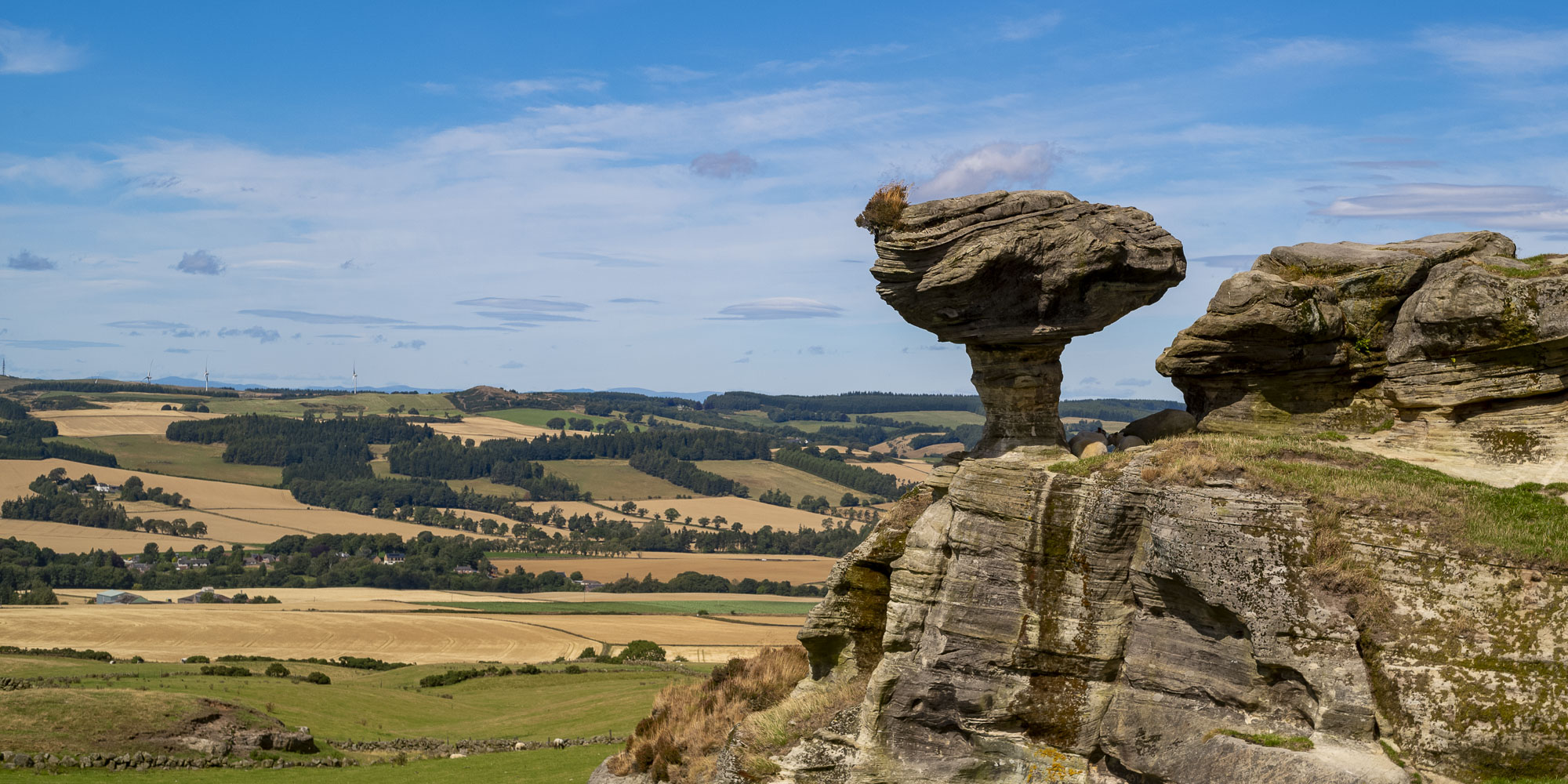
This looks like nothing spectactular when you walk towards it. It looks quite small in the distance, but when you start exploring the Bunnet Stane, you can take some amazing photos.
It’s an easy 5-10 minute walk from the car up a small hill.
The Bunnet Stane in Fife, Scotland, is a striking, mushroom-shaped sandstone rock formation shaped by millennia of natural erosion, accompanied by the Maiden’s Bower, a man-made cave steeped in local legend.
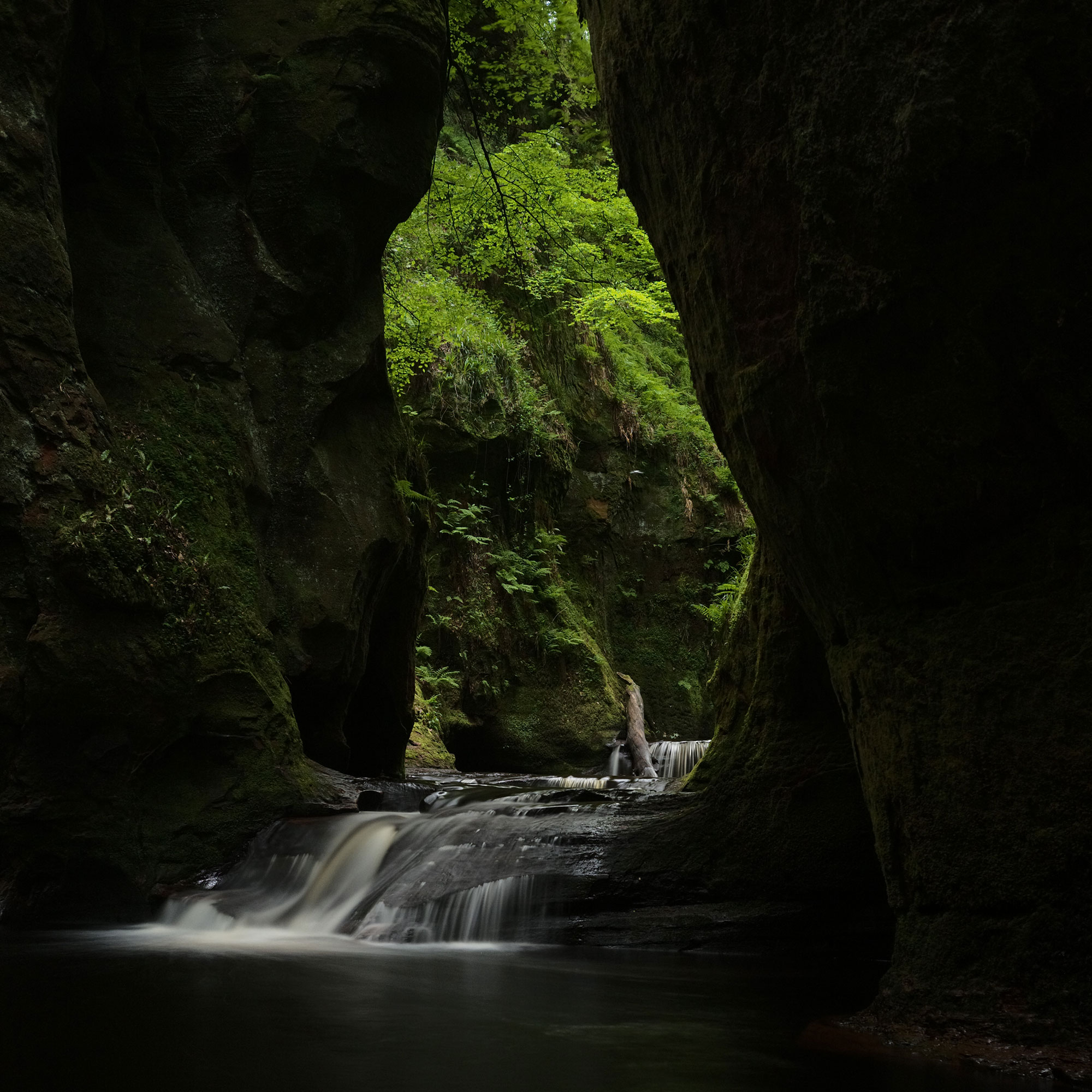
The devil's Pulpit, Scotland
This was one of the filming locations for the popular Outlander series.
This is NOT an easy climb. Even though there are stairs, they are VERY much broken and you can have to shuffle down on your bum and hold on to trees. I’d not recommend this on a wet day.
If it rained a lot, you won’t be able to get to the actual “pulpit” as you have to walk through the water for about 20-30 m. Even though we visited in summer and it had been dry, the water came up to our calves. We just kept our walking boots on and walked through the river in them.
Is it worth it? Yes. Would I do it again? Definitely not. 😂
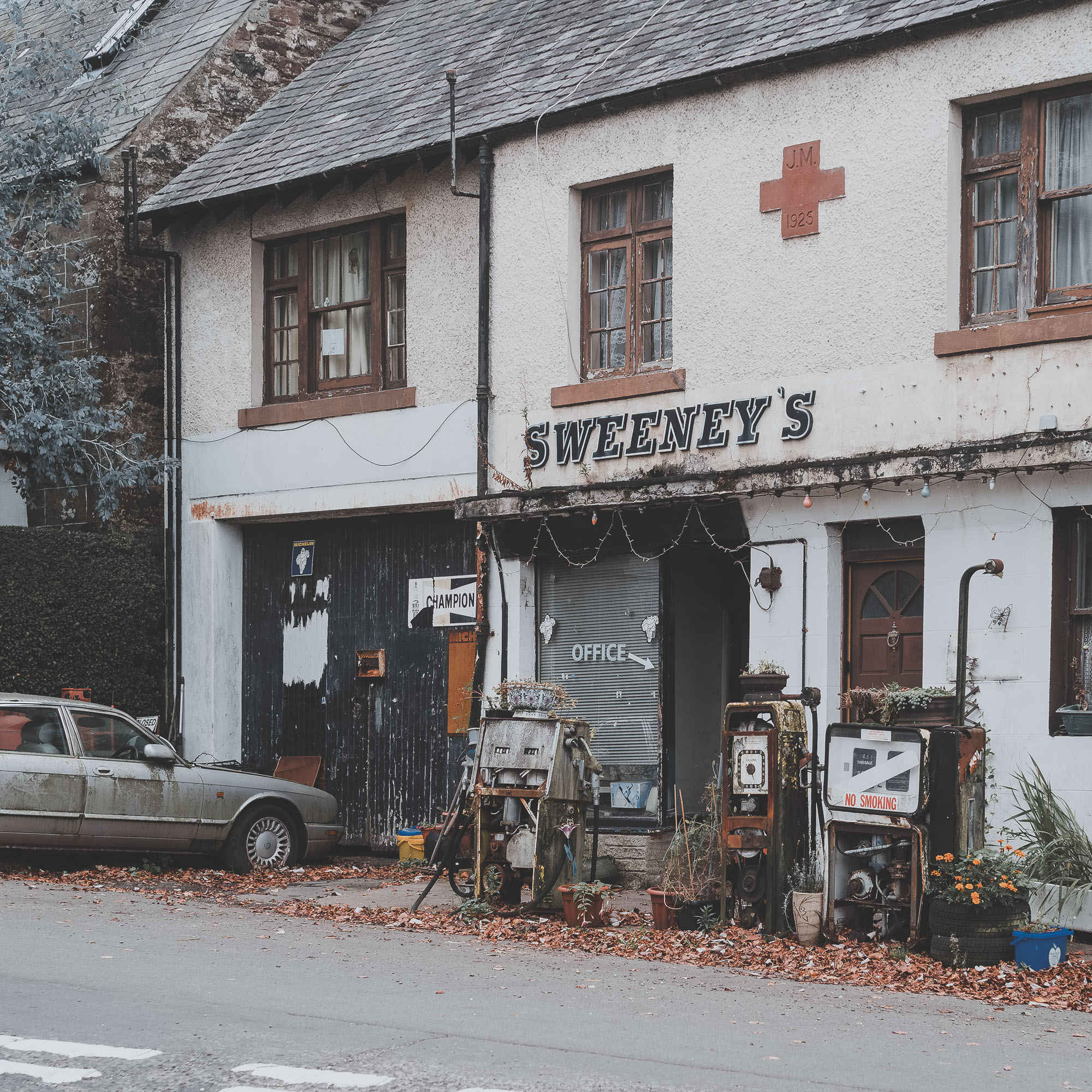
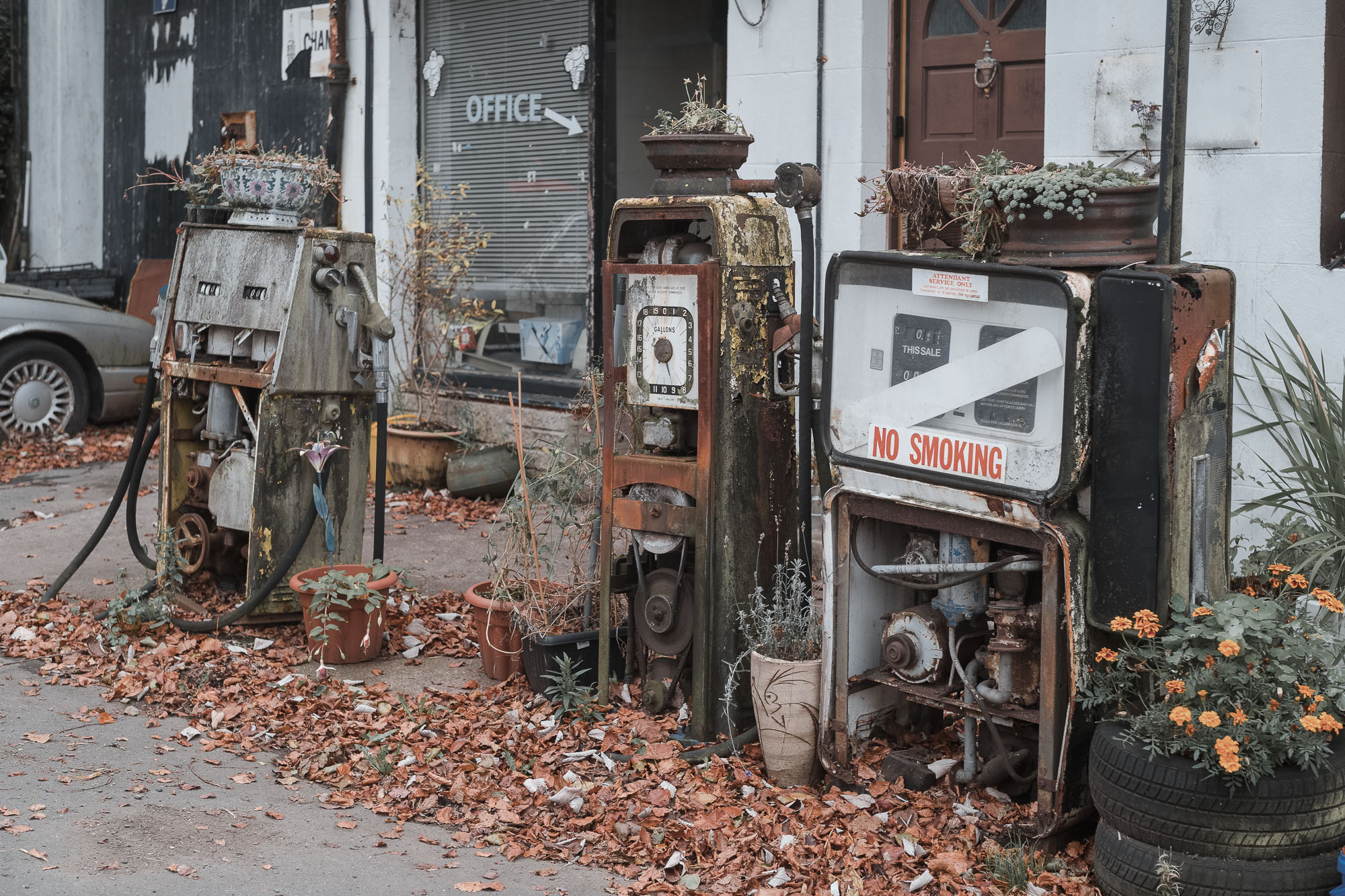
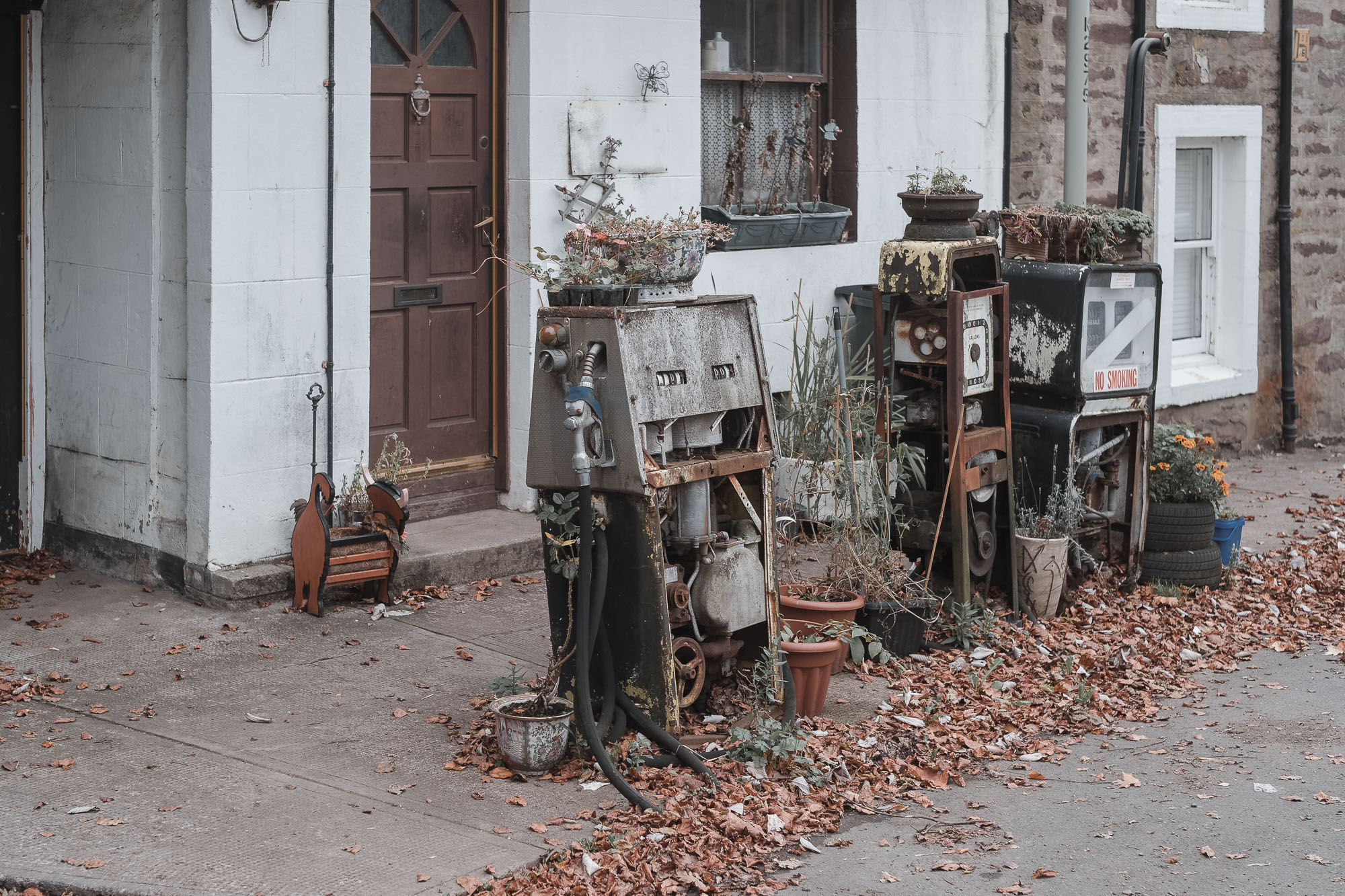
Muthil, Perthshire, Scotland
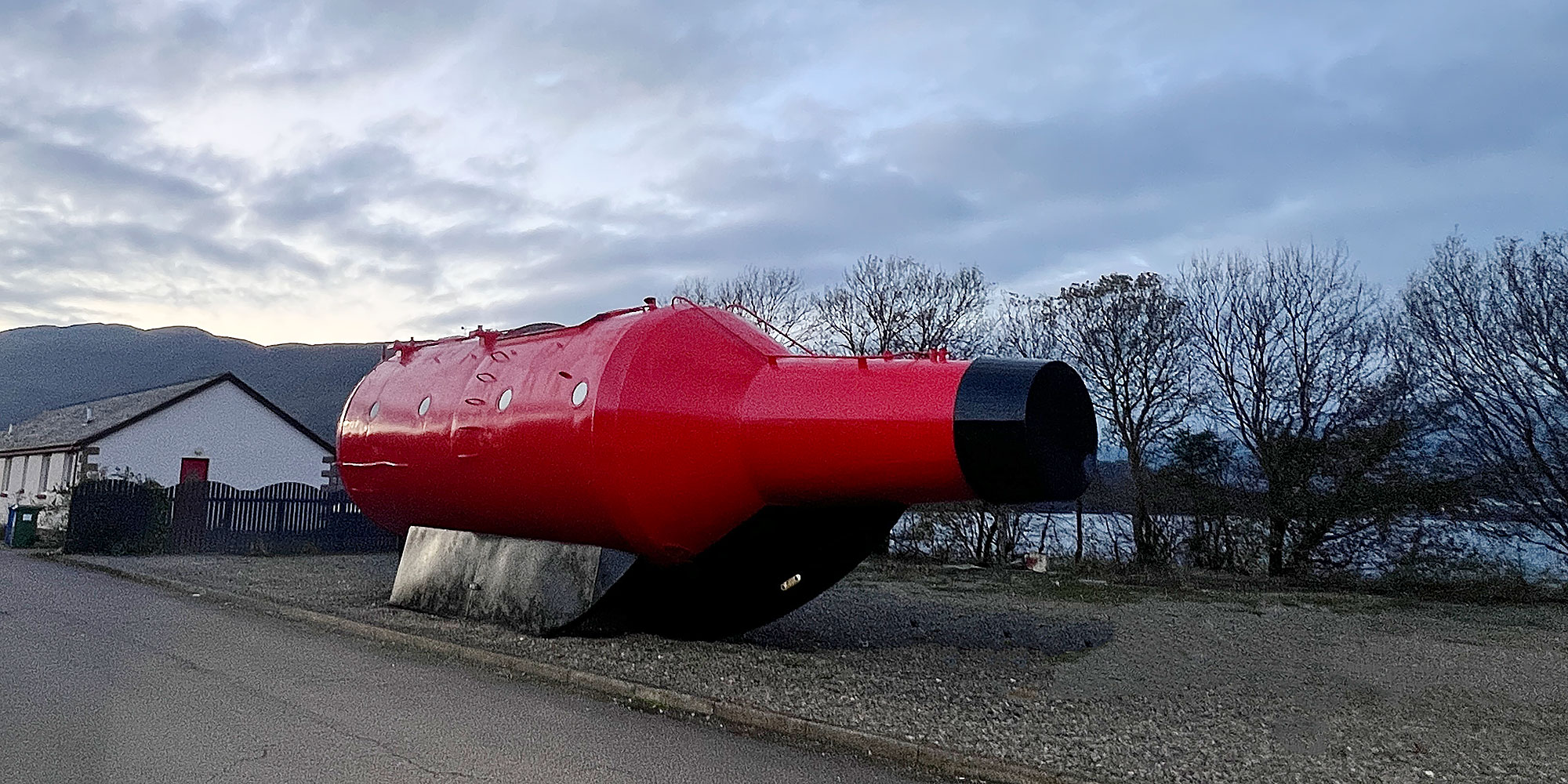
The Red bottle boat, Fort William
This 37-foot red steel bottle boat, built for Scottish adventurer Tom McClean, sailed from New York to Falmouth, England.
McClean, who first crossed the Atlantic solo in 1969, has set records multiple times, including in 1982 for the smallest yacht Atlantic crossing and again in 1985 after sawing off part of his boat to reclaim his title.
He also lived on Rockall islet for 40 days and rowed across the Atlantic in 54 days. In 1990, McClean crossed the Atlantic again in the Typhoo Atlantic Challenger, a red bottle-shaped vessel, completing the journey in 37 days.