(and why you should stop telling people they're talented)
What does talent mean? When you look up the word talent in a dictionary, you will get a definition like this: talent implies someone has a unique natural ability or aptitude. Talent is the natural ability or skill to do something well, often with little effort or training.
You might think Andy Murray is a talented tennis player or Rhianna is a gifted singer. By calling them “talented”, you’re ignoring some fundamental things they’ve done to come across as “talented”.
Let me shine some light on the talent myth.
If you take photos and show them to friends and family, they will probably tell you that you have a talent for photography, that they love your photos, and that you should sell them.
Photography talent is not something you’re born with. In my opinion, talent is completely ignoring the years of practice of your art.
“Talent” also downplays experience and skill. Both require considerable time (and financial) input and years of practice.
Even today, after almost 20 years as a professional photographer, people tell me I have talent. If you look at some of my early work – when I was a hobbyist, and then compare them with what I produce today – there’s a huge difference. It’s not my talent that has grown, but my experience and my skill.
The only way to get better at taking photos is by taking more pictures.
Talent ignores dedication and passion.
The internet is full of images, and we see hundreds, if not thousands, of photos in our social feeds daily. Now and then, we see a photo that makes us gasp, a lone tree in a misty landscape with just a single ray of sun poking through the clouds lighting up the tree, or an image of a red squirrel jumping from one branch to the next.
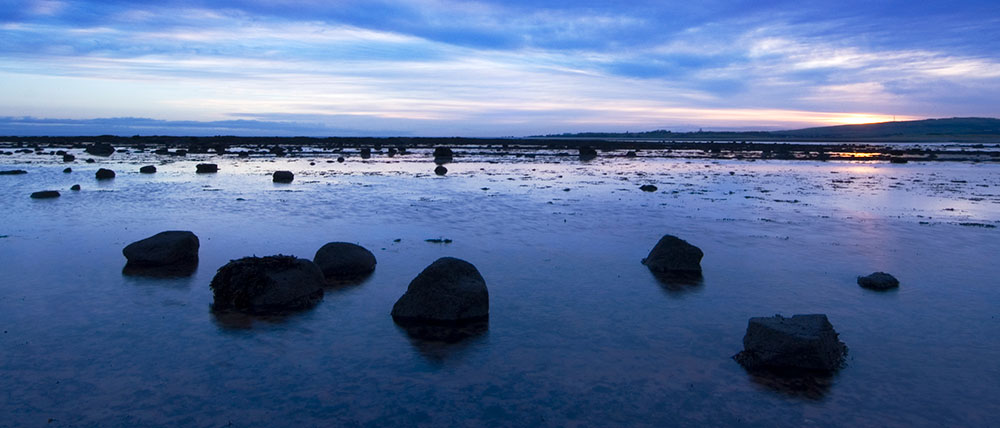
There’s an element of luck in each fantastic photograph, but it mainly consists of patience and venturing out many times only to return with nothing worth showing to the world.
“Talented” photographers go out again and again to visit the exact location several times. They may study the weather and the movement of the sun or moon before going to the spot to reattempt yet another version of a photo.
The more you go out, the more photos you take, the more you get to know your camera, the more you learn about the weather, the better your photos will become.
All of this is dedication, not talent.
Talent ignores learning and education.
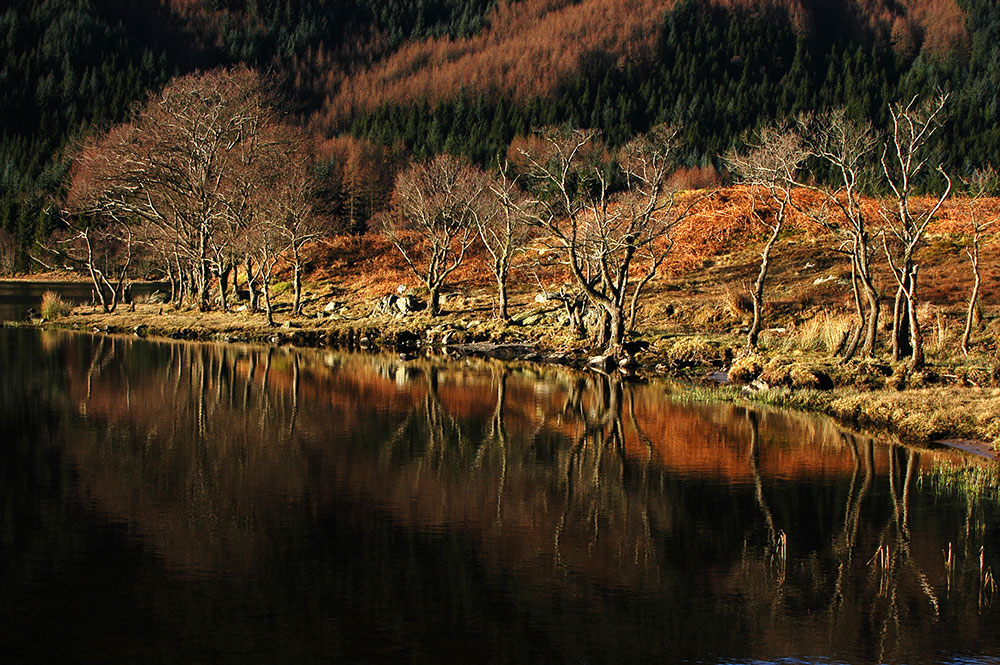
Taking amazing photos and improving your art requires constant learning. Photography is a never-ending hobby or profession, and there are many techniques to learn and try.
During my photographic journey, for example, I had to learn about people photography, flash photography, and rear-curtain flash to create cool effects on the dance floor (at weddings). I moved from aperture priority to manual mode, and the next step was to move away from auto white balance to manual white balance, just to name a few.
I had to learn every single one of those things by reading books, articles in magazines and blogs, or watching videos online—both free and paid training videos.
I needed some of these things for my job, and I found others interesting, so I played around with them for a while (e.g., lens babies and microscopic photography).
When you have a hobby or a passion for something – anything, you will know how easily you can get sucked into it. And that’s a good thing.
As you can see, talent has little to do with awe-inspiring output.
Talent ignores investment in equipment.
So many people commented on my camera when they saw a photograph on my screen, saying, ” Wow, this camera does take good photos.”
The best camera is the one you have in your hand. This could be your mobile phone or a high-end digital camera.
The photographer interprets a scene and decides what to keep and what to remove. An experienced photographer can take amazing photos with their phone, while an inexperienced photographer will most likely take average images with a high-end camera.
Many photographers have a bit of a love affair with a specific camera, and that’s totally cool. I’ve had different love affairs with various cameras that I owned (and sold). I had a Leica M10 for a while. I adored it. Then I got a Leica Q2 – a compact camera—and took the Q2 on all my walks, not the M10. After the M10 was untouched for over a year, I sold it. The Q2 still comes with me regularly.
Different cameras and lenses give you various photo opportunities. If you’re drawn to a particular type of image and your current equipment doesn’t allow you to take it, you need to invest in gear that fulfils your desire.
Anything you buy for a photography hobby is expensive. You can quite easily build a kit bag worth £5,000-£10,000.
Being a great photographer also means knowing what lens will do the job and what lens to use for a specific image you want to create.
All this has nothing to do with talent.
Talent ignores post-processing skills.
Most images you see online or in galleries are post-processed. There is a group of photographers who believe in RAW and unprocessed images. However, most RAW photos come with a colour profile that simply needs processing, as otherwise, the image would look “flat”, i.e. lacking colour and “oomph”.
I was a Nikon shooter for over 20 years, and all Nikon RAW images needed processing.
Now that I am a Canon photographer (again), the colour profile used by Canon is a lot more vibrant, and sometimes, images require no processing at all.
Some photographers love editing images, and some hate it. As a wedding photographer, I photographed over 300 weddings and delivered, on average, 500 photos per wedding. I didn’t enjoy the culling and editing, but I had to learn it because it was part of the job.
I have spent days watching training videos for Photoshop and Lightroom. I have experimented with presets, too.
All this editing experience is now invaluable for my passion projects. Using Lightroom has become second nature.
If you see a great image, the photographer most likely has spent years learning post-processing. An experienced photographer can show you something in Lightroom that will blow your mind and enhance your photos. I am still learning from other photographers who post tutorials online.
Again – nothing to do with talent.
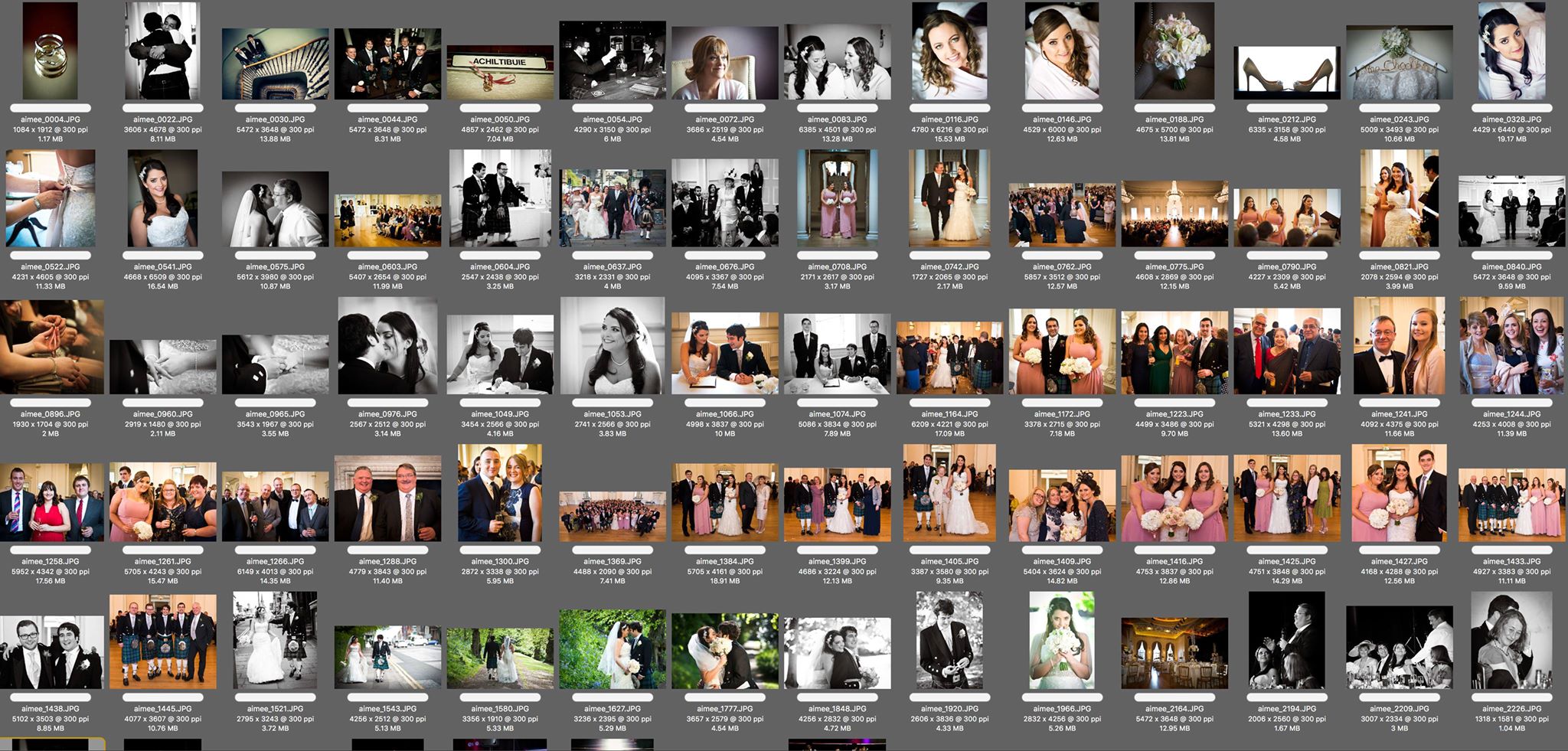
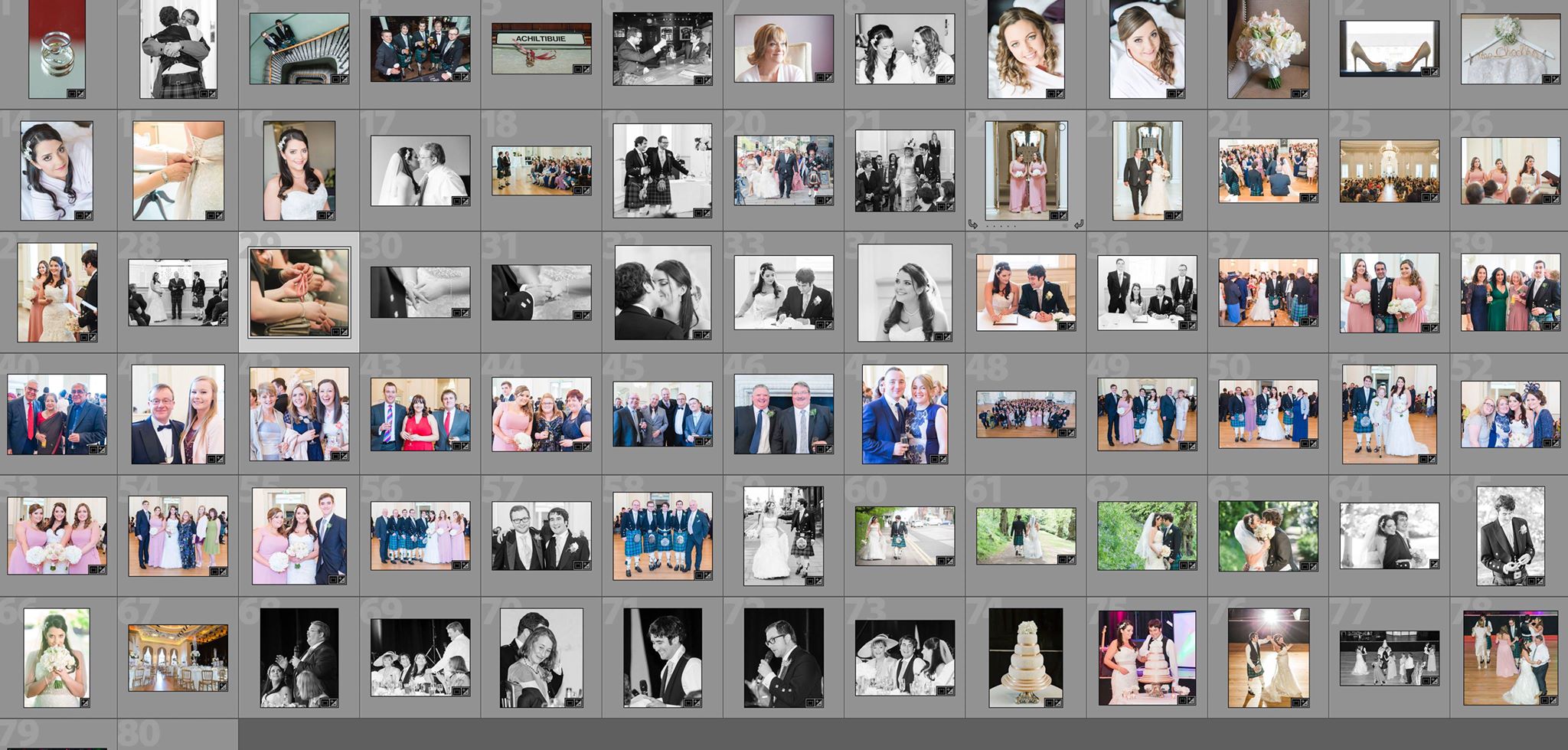
Talent ignores the 1000s of mistakes you’ve made.
As photographers, we only share our good stuff. Unless intended, we don’t share the squint horizons, blown-out sunsets, or underexposed and noisy scenes. We are a little bit in love with every photo we share. Many fear criticism, so they may not want to share their work.
After every outing, we come home with hundreds, sometimes thousands, of images ready for the DELETE button. And that’s OK. Every click is a learning experience. You had a reason why you clicked the button. You wanted to see what the photo looks like, if this composition works, or if the camera settings suit the scene. Sometimes it works, sometimes it’s crap. We don’t share the latter. But all photographers have taken thousands of images that are simply crap.
Our below-average images and the frustration that comes with them push us to go out and try again, to finally come home with an image that satisfies our need for beauty—whatever that may be.
Again, nothing to do with talent.
Talent ignores planning.
Creating great images requires some extent of planning. Regardless of the images you want to take, most outstanding images are not the result of the photographer “just being there” by chance.
Many photographers keep returning to their favourite “lone tree”. They research it during different seasons and times of day to finally capture an image that makes them happy.
Landscape photography, especially, requires some interest in geography and the weather. As a landscape photographer, you will be familiar with the Photo Ephemeris website, local tide timetables, or apps that forecast the Northern Lights.
Again – nothing to do with talent.
Talent ignores patience and perseverance.
Many photographers will have been in a situation where they stood in a landscape, waiting for the light to change. You keep watching the clouds and just wait for a light beam to come through. Or you’re waiting for wildlife to do their thing in front of your camera. Many types of photography require enormous amounts of patience and perseverance. Sometimes, you drive for three hours, and the light is terrible. Or you’re sitting in a hide with a promise of fantastic wildlife, but they’re all on holiday. So you just have to come back again and again.
Eventually, you will come home with amazing images.
Nothing to do with talent.
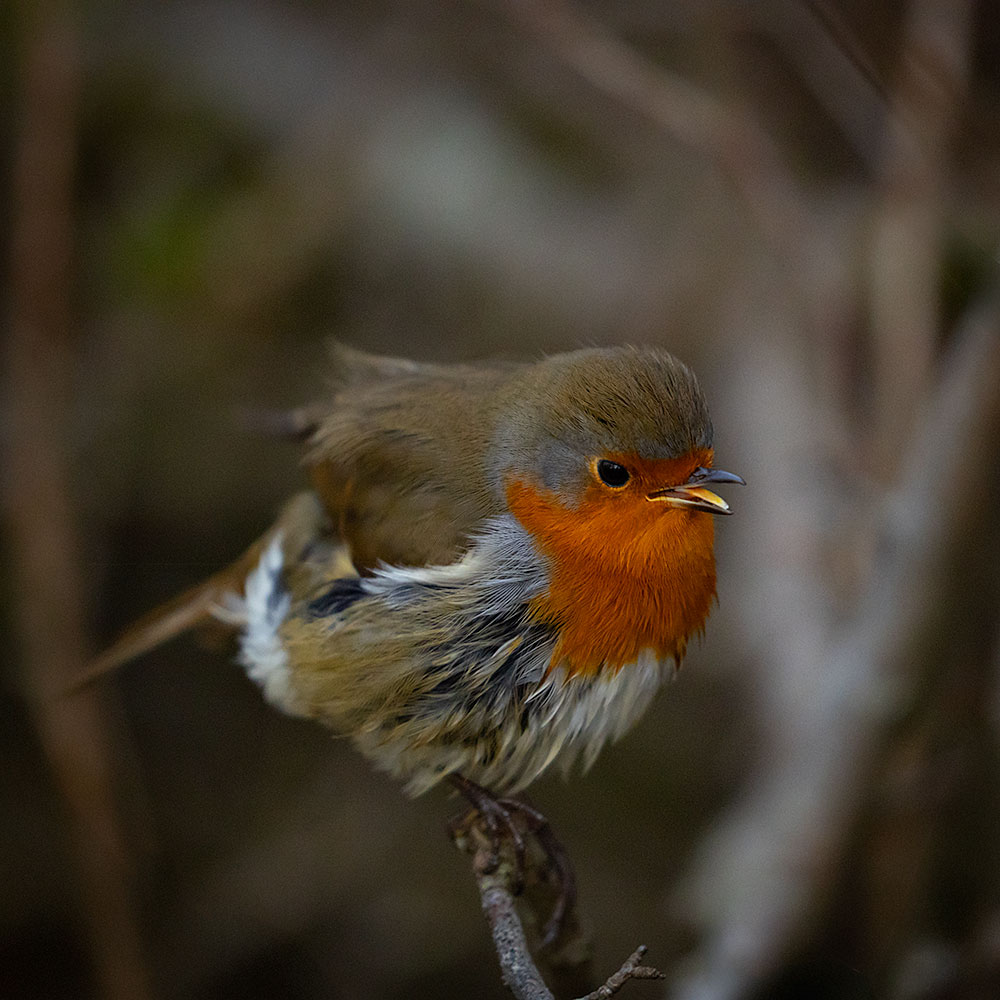
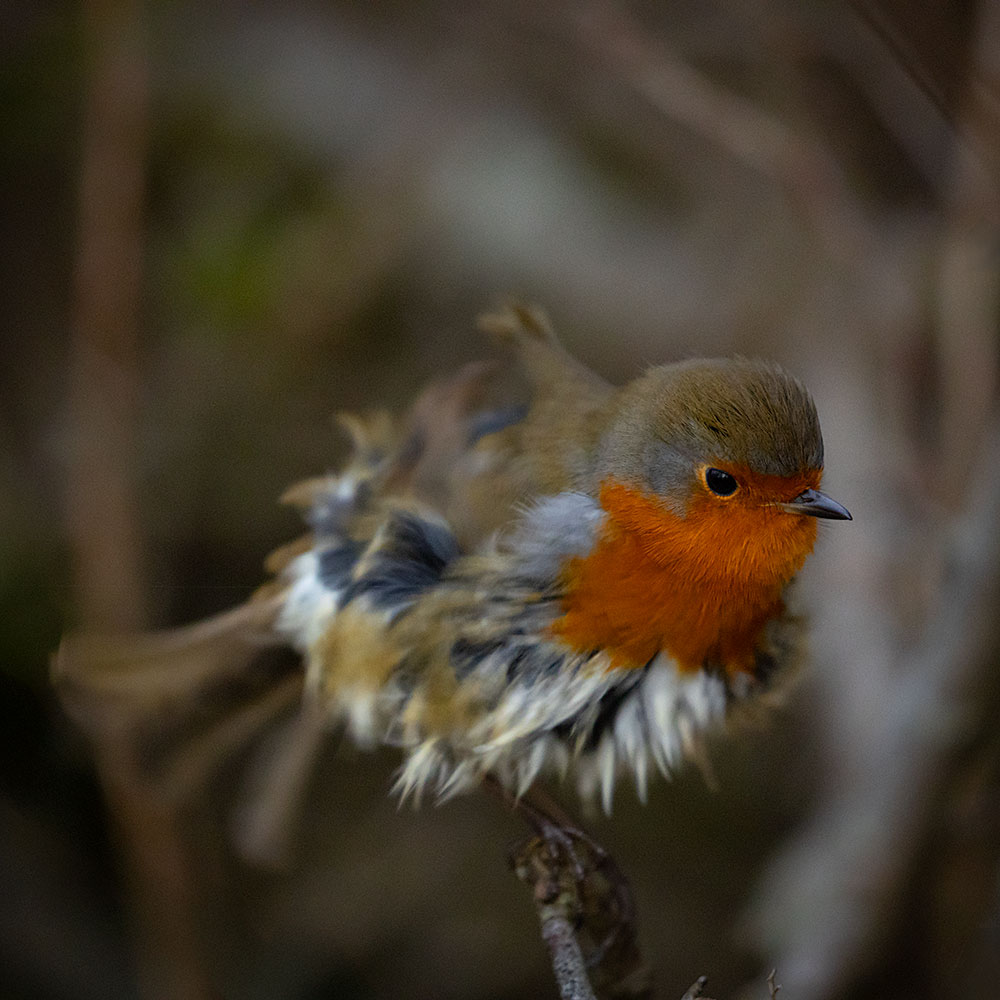
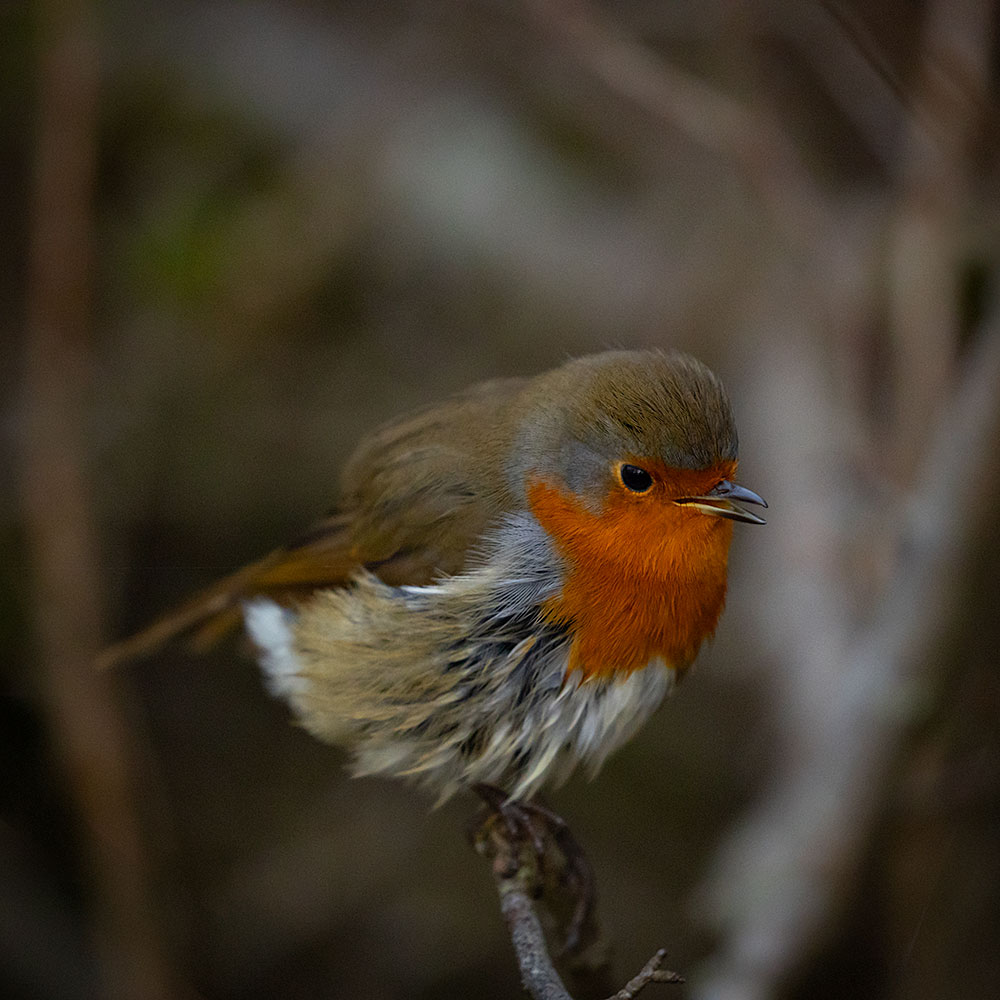
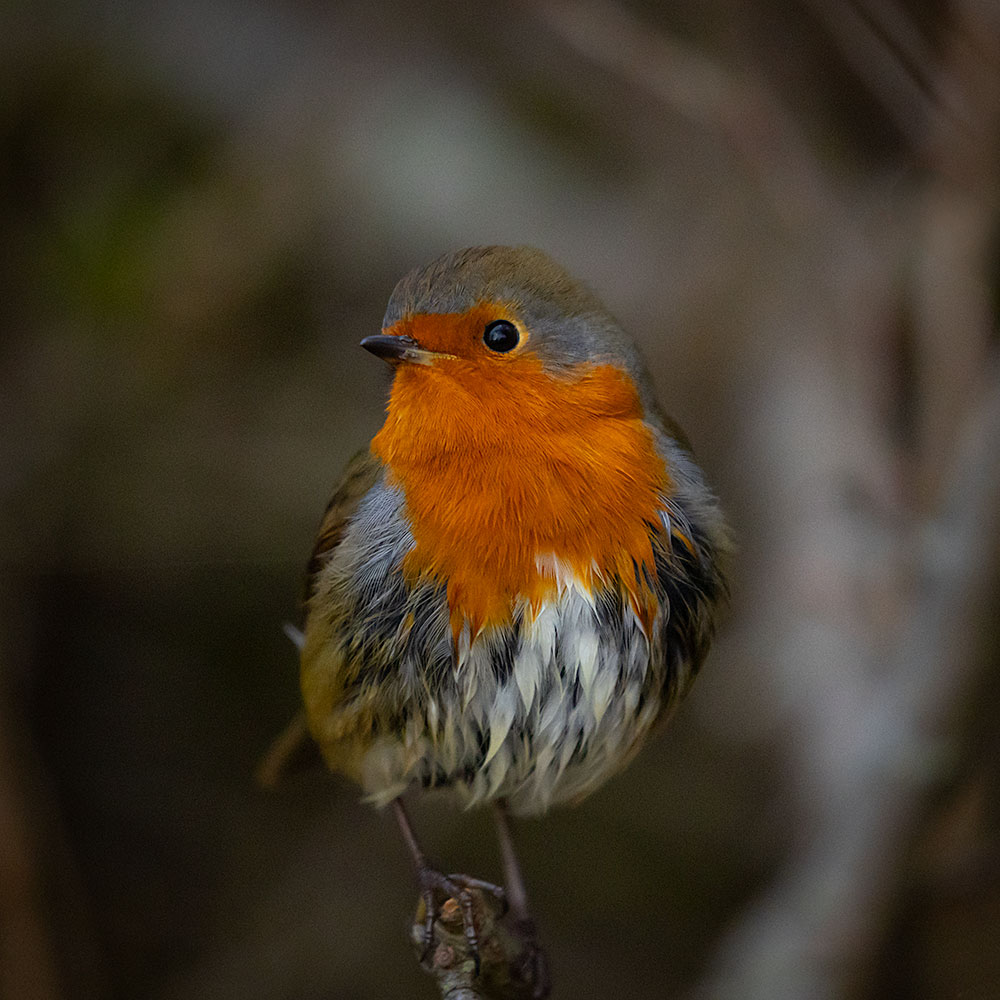
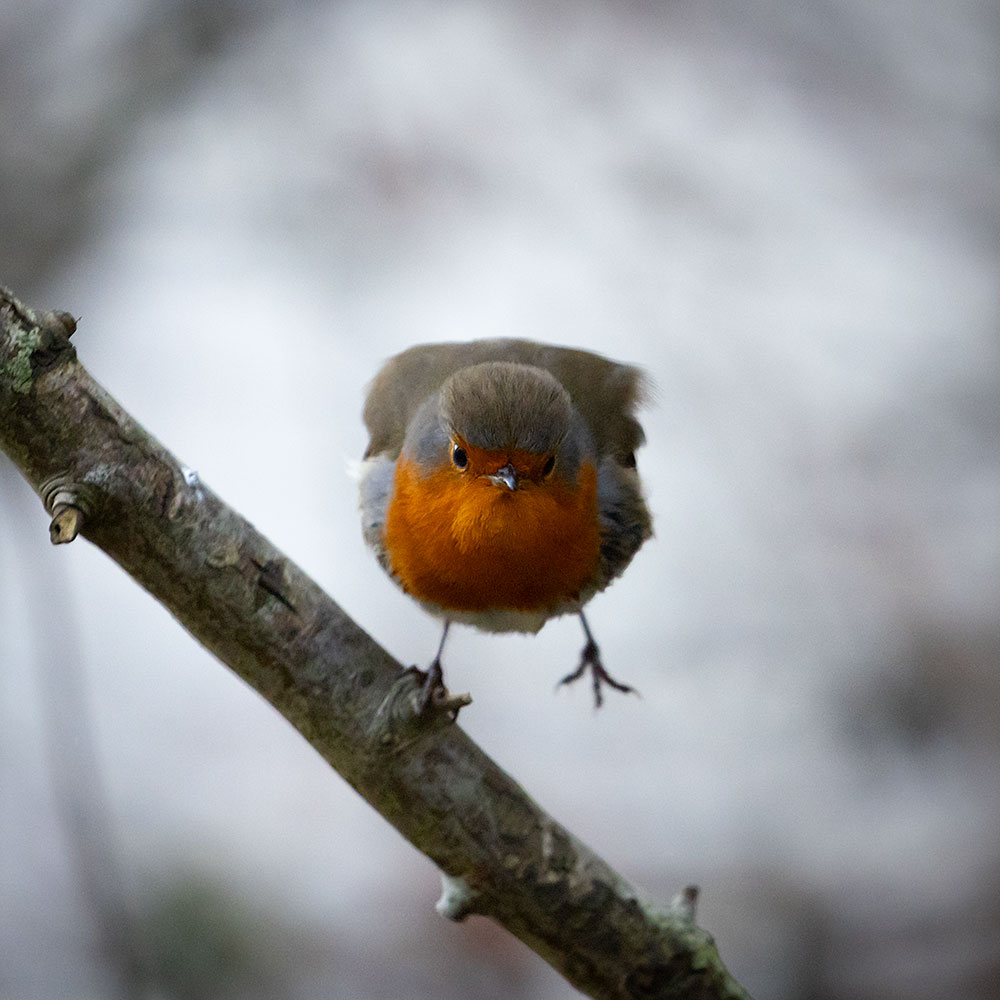
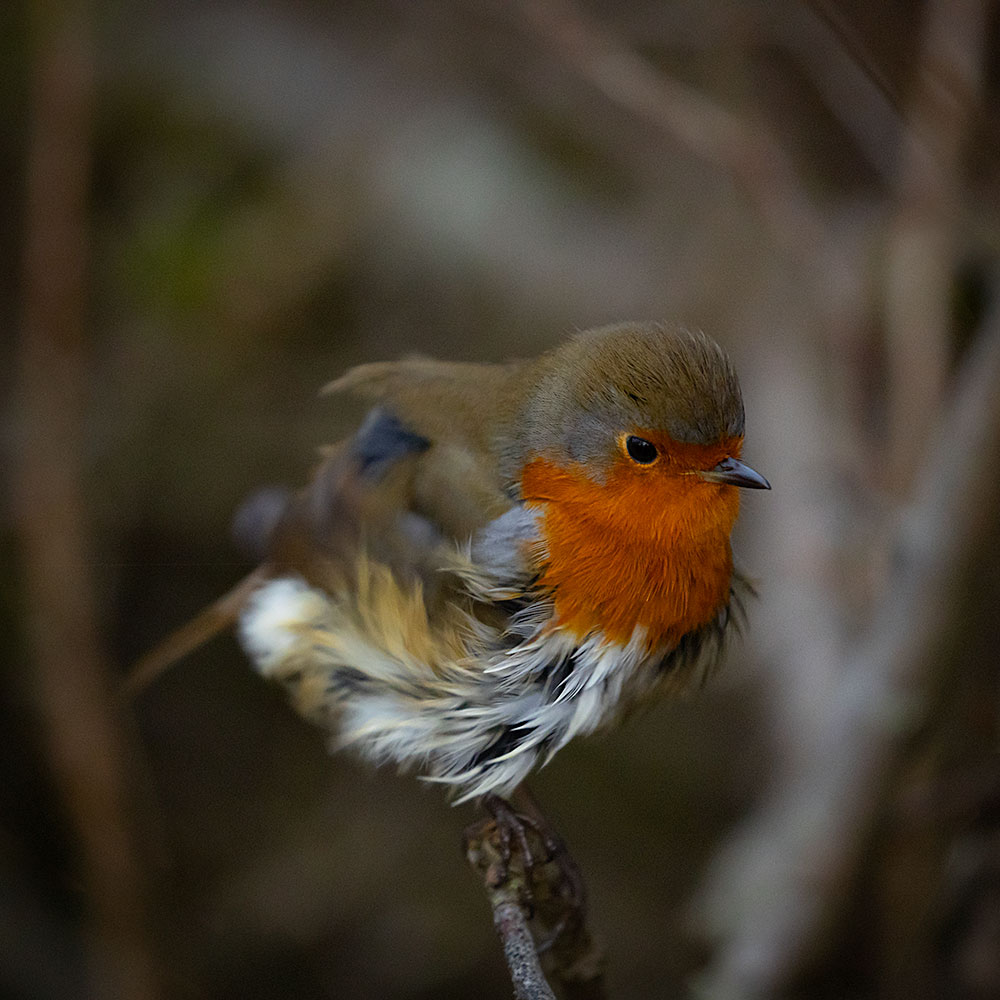
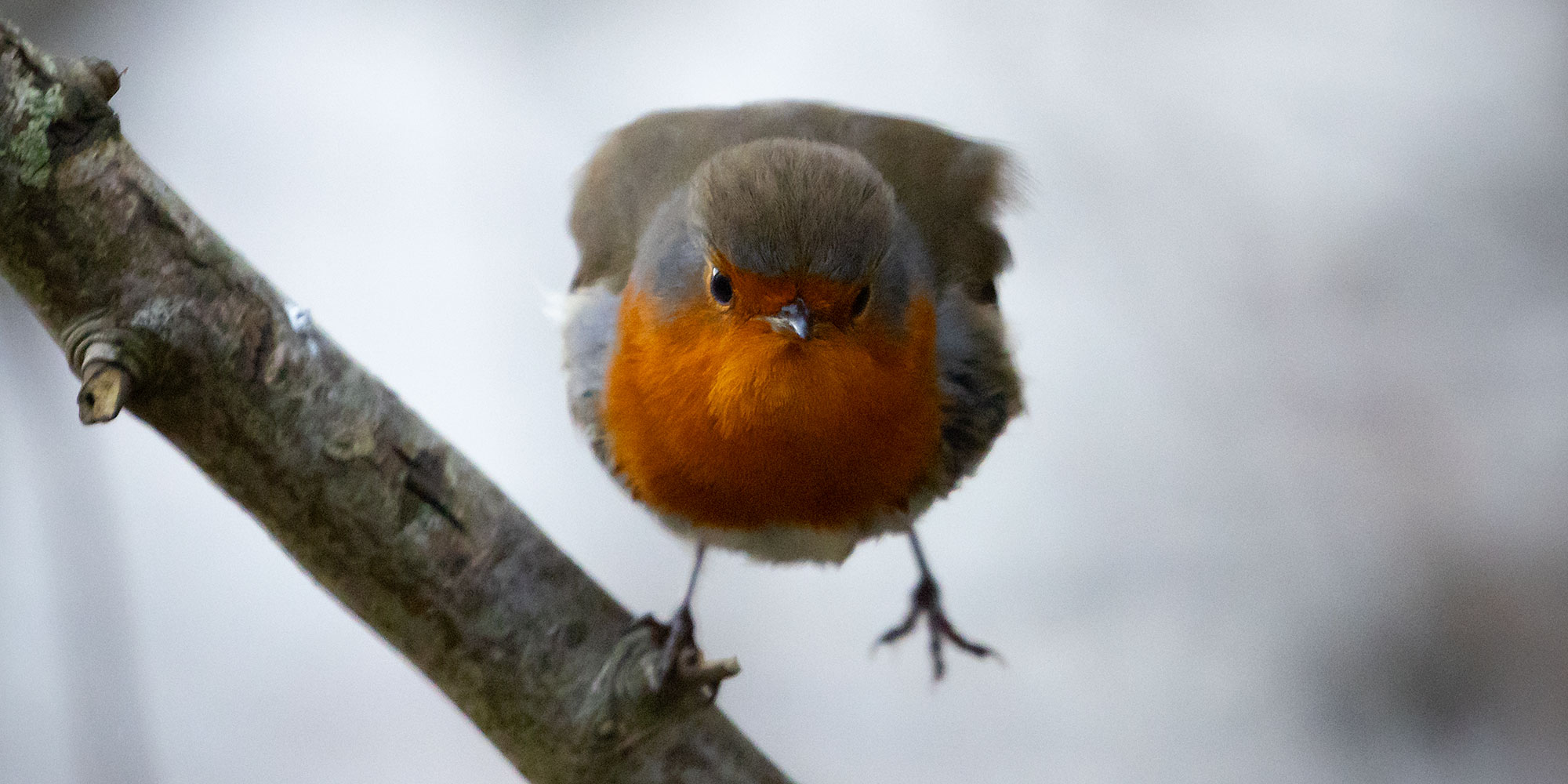
I took these on a walk not far from home. The robin was posing for me and jumping from branch to branch. I had to walk for a while until I found the birds. I took so many photos during that hour. I wanted to make sure I have them in focus.
Talent ignores understanding composition.
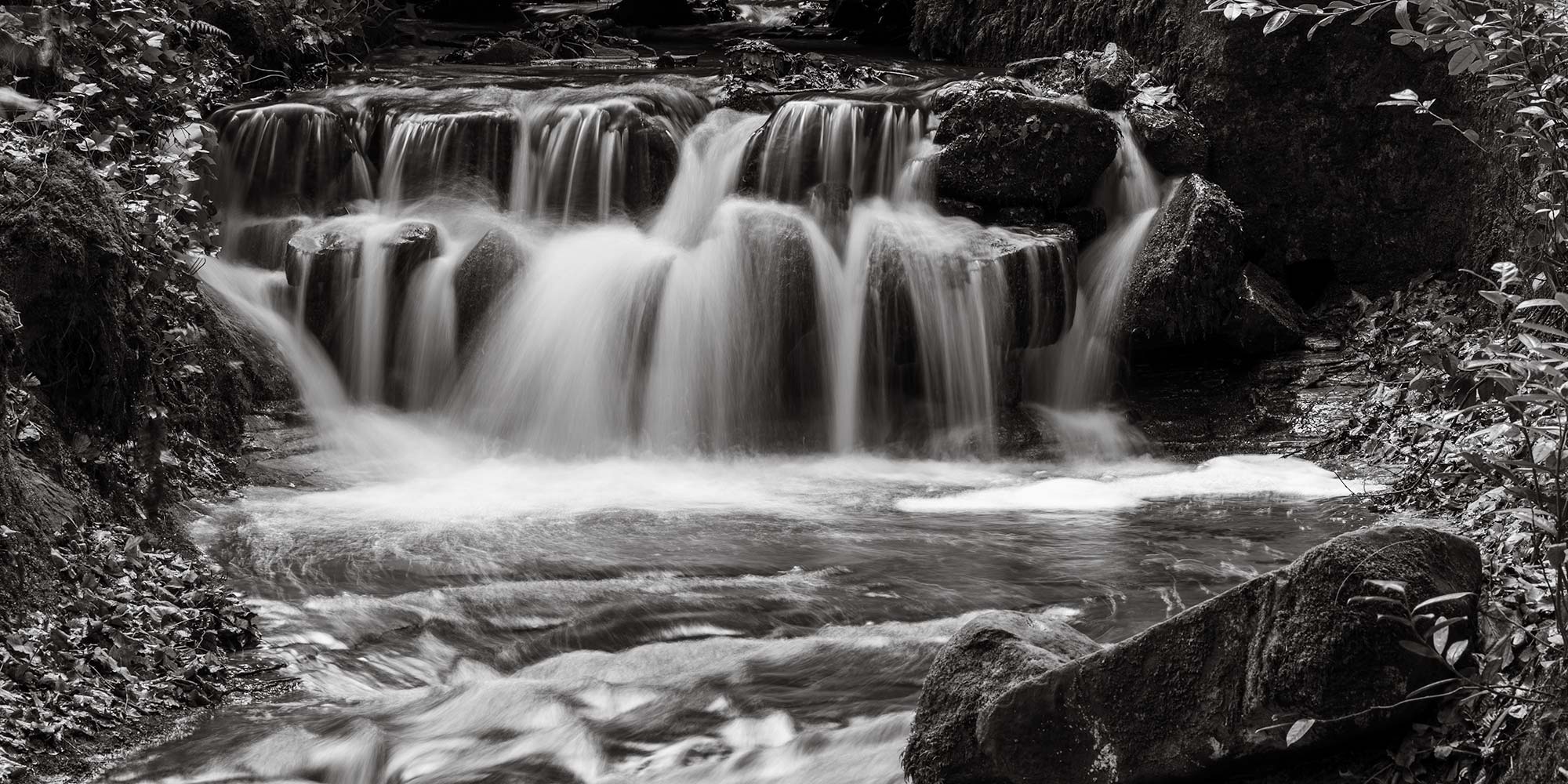
I stood in the woods just a few weeks ago. Behind me, there was a bridge and a small one-metre-tall waterfall. I spent about half an hour in the spot, adjusting the tripod and taking horizontal and vertical images. A little while later, a couple walked by we had spoken to earlier, and I showed them a photo on the back of my camera screen. They loved what they saw. They stood beside the waterfall and asked me where that image was taken. Well – just here! Just now!
As photographers, we need to learn about composition. There are rules to follow and rules to break, and sometimes, you just make up your own rules.
After years of experimenting and learning about composition—by reading books and studying other photographers’ and artists’ works—you develop an understanding of composition, which you apply to your images without knowing. It’s like changing gears in the car; it becomes second nature. And sometimes you put in the wrong gear. We all make mistakes, but we know how to drive and work with composition.
Where does that leave you?
Photographers are collectors of memories. If we share our photo memories, telling someone they’re talented is condescending. Tell them you love their images and explain why.
Many photographers have a connection with the location of their images. It reminds them of the day they took it.
If photography is your hobby and your friends and family call you talented, don’t rest on your laurels. Become a great photographer by going out there as often as you can. Chase the light, interpret locations and wait for the magic moments.