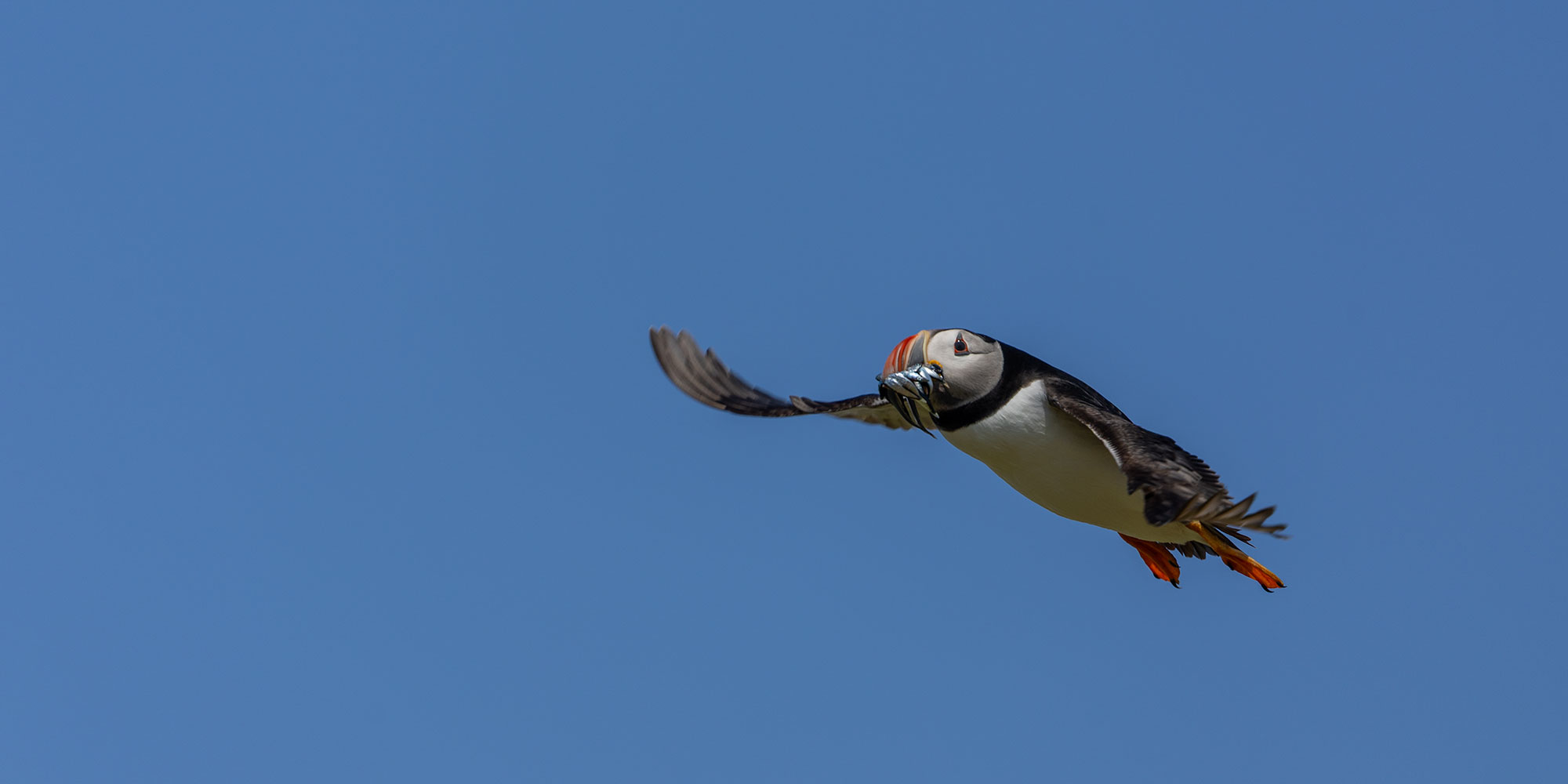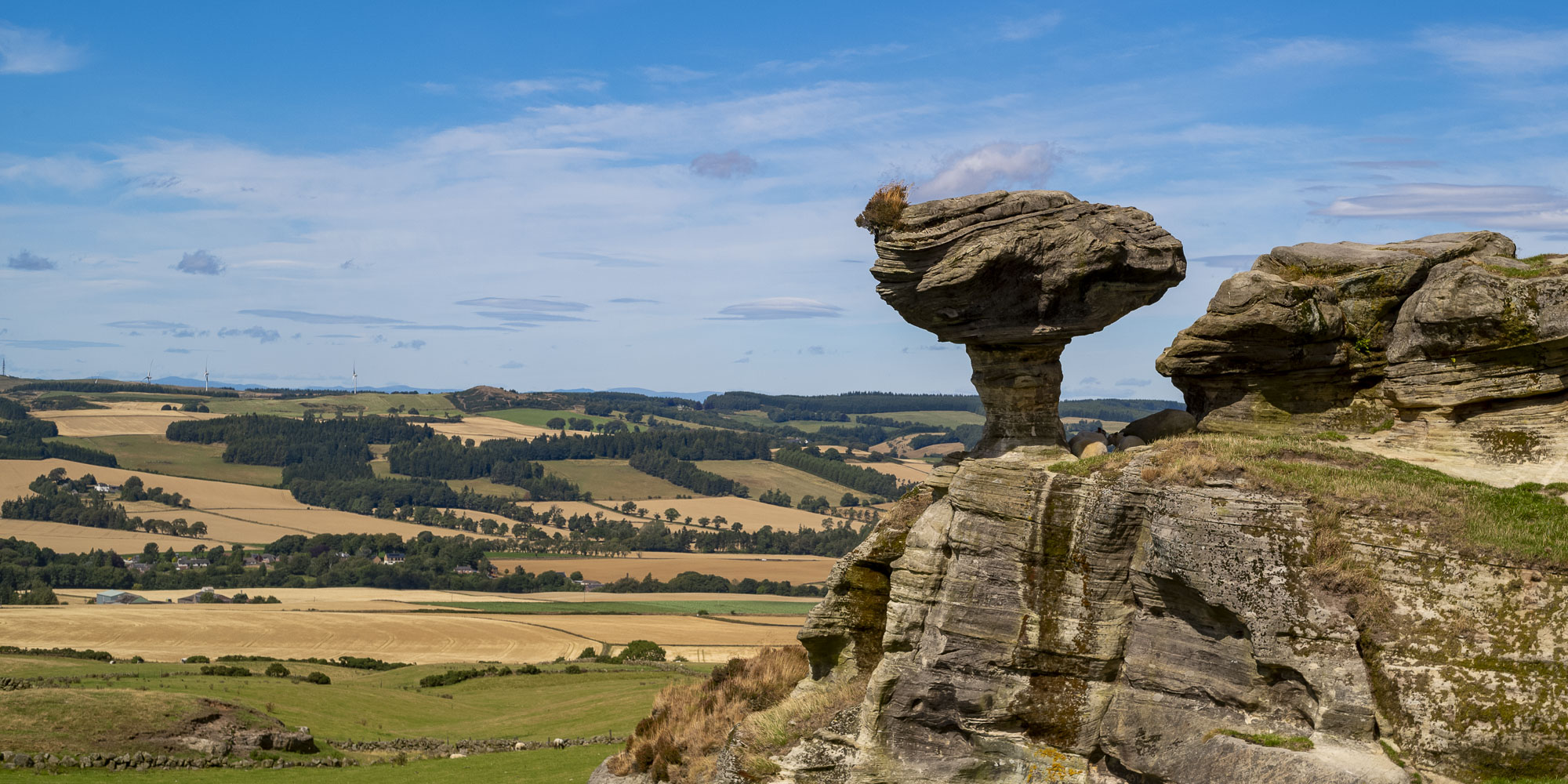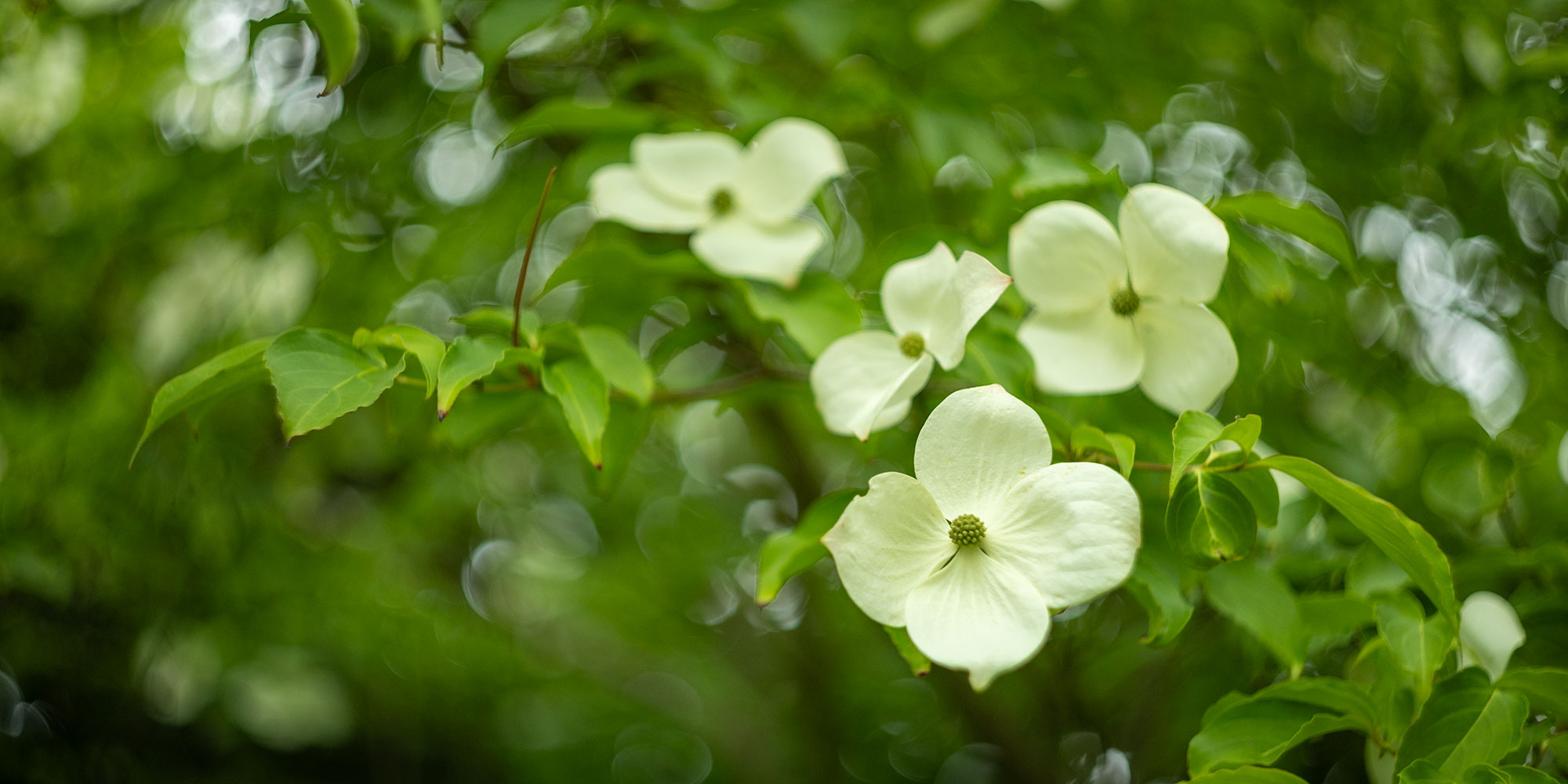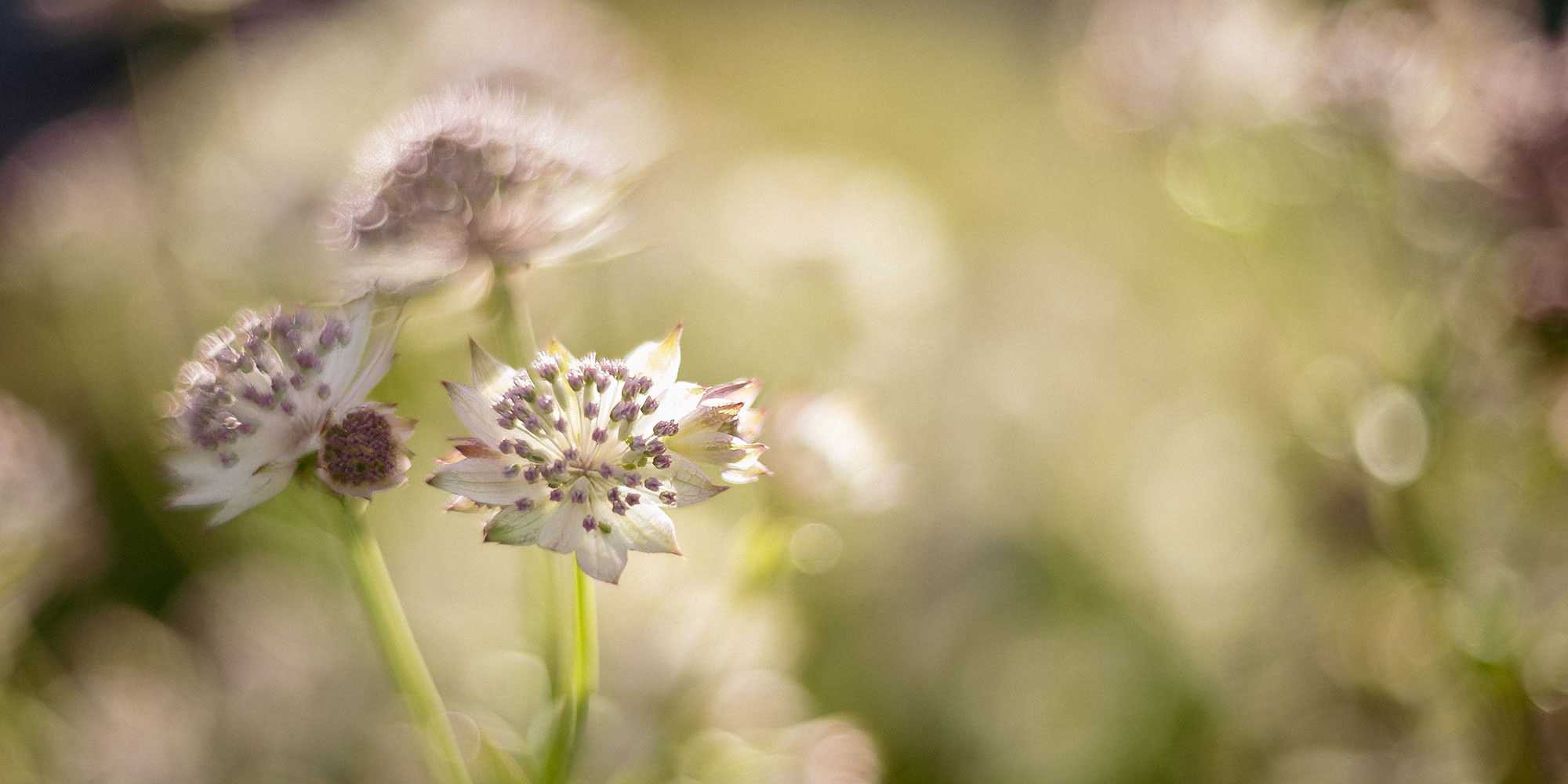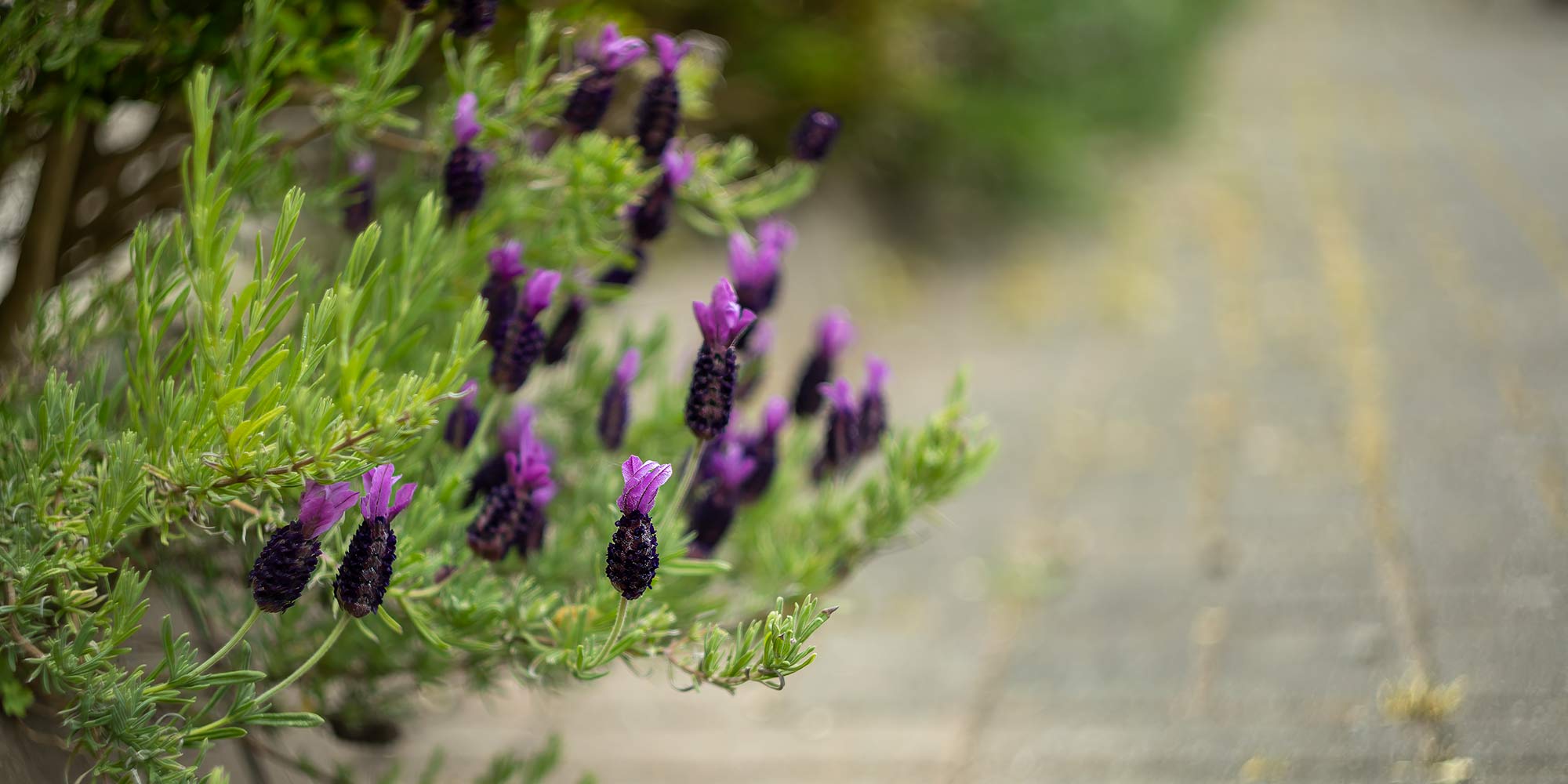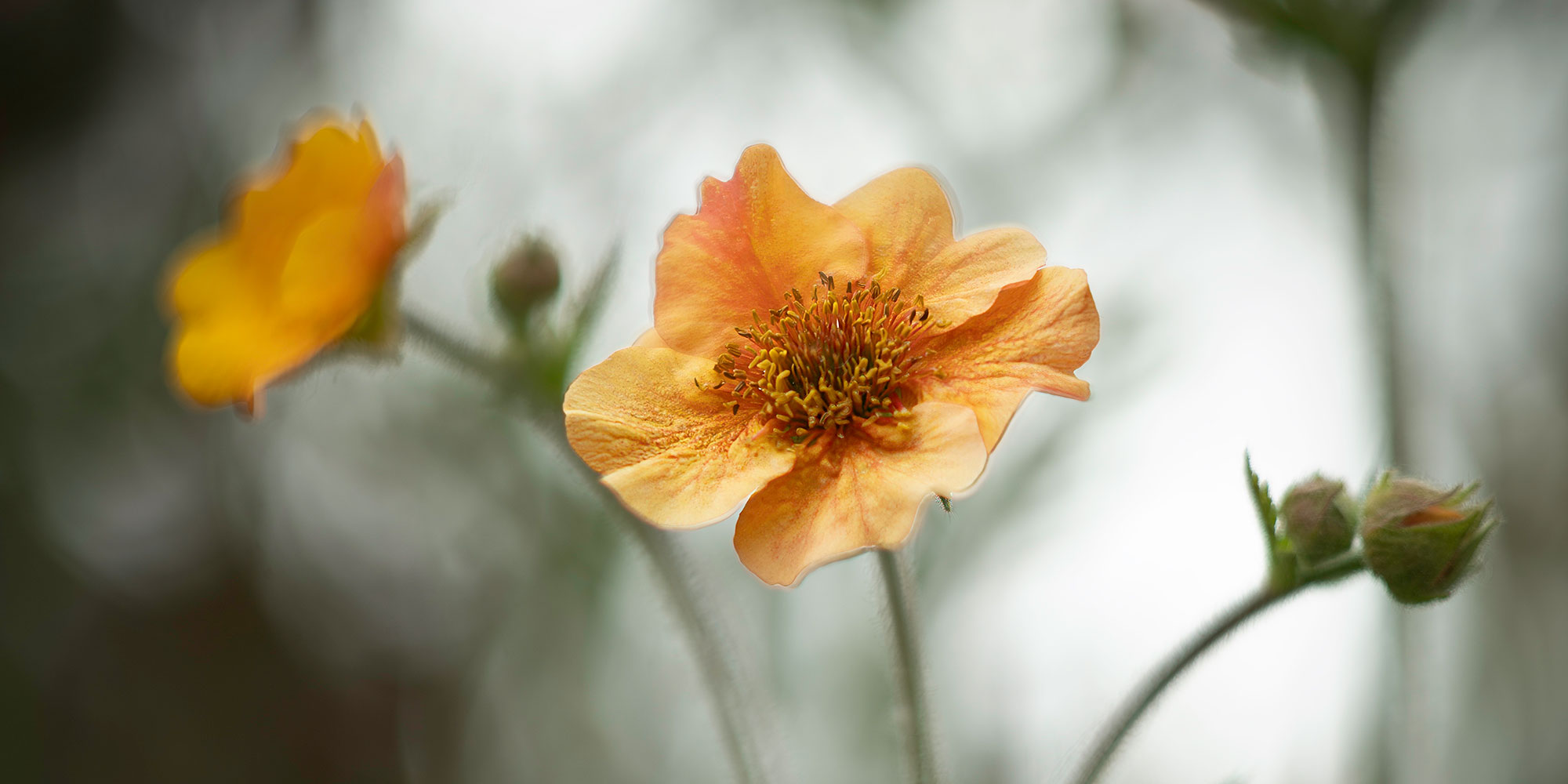
There’s a moment many photographers recognise: a friend sees one of your favourite landscape or cityscape shots and says the magic words: “You should sell these!” It feels flattering, exciting, and validating. And for a split second, you start imagining your hobby paying for itself or even replacing your job.
I’ve been there. And I want to share an honest but gentle truth that I wish someone had told me before I took that leap.
Friends mean well, but they’re not your market.
When friends gush over your photos, it comes from a place of love, not market knowledge. Mine did the same. They encouraged me to “go pro,” and I listened.
What they didn’t understand was that enjoying a photo and paying money for a print are two very different things. If someone truly wants your work on their wall, ask them directly:
“Would you like a print?”
Then tell them the price. Watch how quickly that enthusiasm changes.
It’s not personal. It’s just human nature.
The harsh reality: landscapes and cityscapes rarely make money
I’m not saying it’s impossible, because genuinely, anything is possible. But in practice? Turning landscapes and cityscapes into an income is incredibly unlikely.
Here’s why:
- Market saturation: Millions of people take landscapes and cityscapes every day. Everyone with a DSLR or the newest iPhone sees themselves as a photographer now.
- No problem being solved: Photographs of mountains, forests or city skylines don’t meet a specific business need in the way portraits, events or real-estate photography do.
- Low perceived value: To the average person, a beautiful photo is a lovely photo, but not necessarily something they want to pay for.
Even talented photographers struggle to make money solely from print sales. Most income in photography comes from solving a problem: headshots, weddings, family portraits, events, real estate, commercial shoots or photography workshops. In other words, photography as a service, not photography as self-expression.
My own journey: how I lost and eventually returned to my hobby
When I turned my hobby into a business, I didn’t just pick up clients; I lost something important.
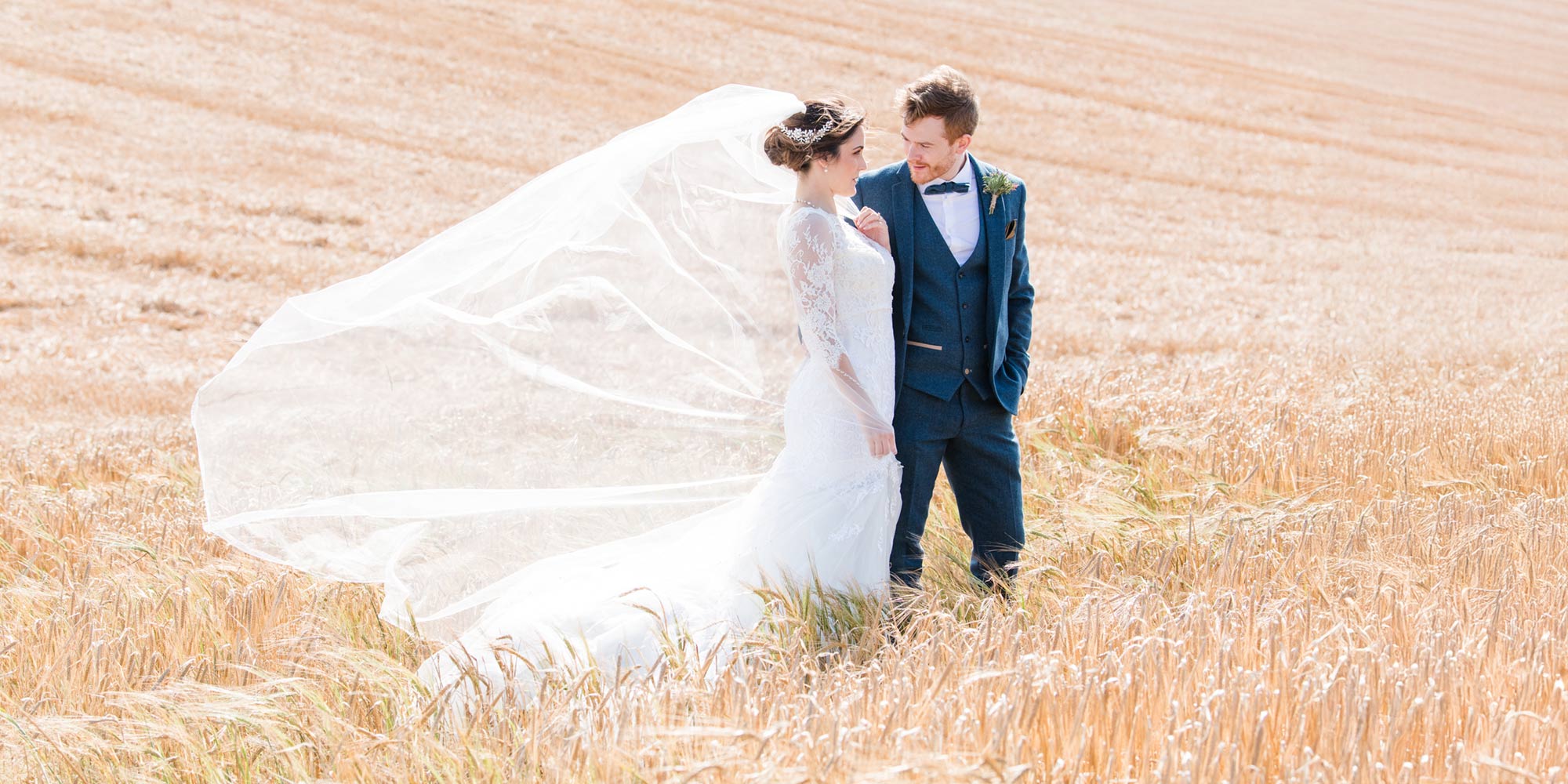
After being a hobbyist for 20 years, I went to photography college. Then I spent 15 years as a wedding photographer.
You know what happened?
I barely took a single photo of the things that initially made my heart sing.
Photography became deadlines, long weekends, client expectations, travel, stress, and admin.
Don’t get me wrong, every wedding I photographed (of more than 300 in total!) I loved and adored being there. I enjoyed giving my clients a lovely memory of their day.
However, three years ago, I quit all wedding work, and I truly enjoy waking up every Saturday morning without an appointment.
This year (2025), I stopped all commercial photography. Only then did my love for photography come back.
I wish someone had told me how easy it is to lose the joy once money comes into play.
This also happens with other hobbies, like my amigurumi.
Photography isn’t the only place where this dynamic appears. My other hobby is amigurumi: whenever I feel like it, I make a cute crochet animal. People adore them. They pick them up, smile, and tell me, “You should sell these!”
But here’s the reality:
One intricate amigurumi teddy bear can take me 10–15 hours to make.
Some take double that.
Now let’s put the numbers together:
- Minimum wage in the UK is roughly £13 per hour
- 10 hours of work = £130
- 20 hours of work = £260
Would someone genuinely pay £130–£260 for a five-inch teddy bear?
Of course they wouldn’t. No matter how cute it is or how much they praise it, the moment you attach a fair price tag, people back away. Not because they’re unkind, just because they had no idea how much skill, time, and patience go into handmade work.
It’s a perfect example of a hobby people love to encourage… but would never realistically pay for.
“But can’t I try stock photography?”
Sure, if you want to experiment. You can upload to Getty, Alamy or similar libraries. Just keep your expectations realistic:
- acceptance rates are high (this means lots of photographers submit their work!)
- payouts are tiny (because they have so many photos in their libraries)
- competition is massive
For many photographers, stock photography is pocket money, not a business. Unless you truly focus on it and regularly upload images, label them, tag them, describe them and add keywords.
What experienced photographers say, and they’re not wrong.
The feedback from working photographers is surprisingly consistent:
- Only the top 5% of landscape photographers earn enough from prints to sustain a lifestyle.
- Urban landscapes and cityscapes are an even tougher sell.
- Nothing kills a hobby faster than turning it into a job.
- Photography for income is a business, and businesses solve problems. Portraits, events, real estate and niche commercial work sell. “Pretty pictures” don’t.
So what should you do?
1. Protect your hobby. Seriously.
If photography brings you joy, guard that joy carefully. You don’t need to commercialise it.
2. If you want to test the waters, start softly.
Offer prints. Upload a few images to stock libraries. Don’t pour money or pressure into it.
3. If someone insists on paying you, let them.
A genuine buyer will always accept a price.
4. If you truly want to build a photography business, be strategic.
Look at work that solves a real need:
- headshots
- family portraits
- events
- weddings
- real-estate photography
- niche commercial industries
- drone work, product photography, or macro specialities
That’s where the money actually is.
And finally, it’s okay to keep something just for yourself.
The world tells us that every hobby should become a hustle. But that pressure steals joy, fast.
If your landscapes make you happy, keep photographing landscapes.
If your amigurumi creatures make you smile, keep making them for the people you love, or just for you.
Not everything beautiful needs to be monetised.
And the next time someone says, “You should sell these,” smile and say: