Editing photos until they no longer look like what you shot
Every photographer runs into this question sooner or later, usually after watching a video in which a dull alleyway becomes a cinematic night scene or a clear forest is suddenly filled with mist that never existed.
Is that still photography? Is it artistic expression? Or is it pretending reality looked better than it actually was?
The idea of “what was really there” is already shaky
A photograph never shows reality in the first place.
- Cameras don’t see like humans do.
- Sensors compress dynamic range.
- Lenses distort space.
- Film stocks interpret colour differently.
- White balance is a choice, not a fact.
Even before editing begins, decisions have already been made, such as camera brand, lens, focal length, exposure, picture profile, film stock, or colour science. Two people standing side by side, shooting the same scene, will produce two different “truths”.
So when someone says a photo should reflect what was really there, the obvious question is, whose version of reality are we talking about?
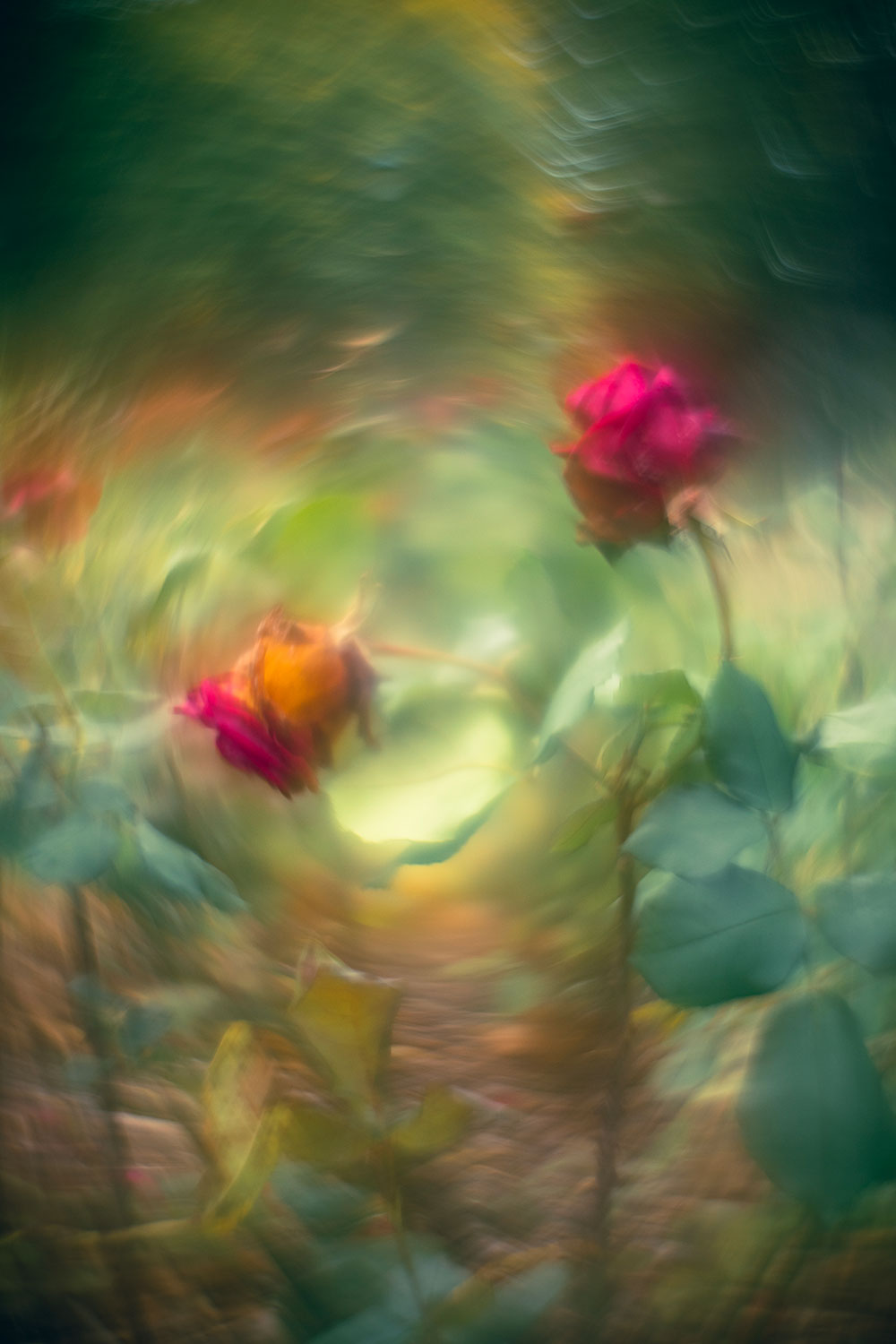
The following image looks heavily edited, but it’s actually one of my least edited. I used a vintage lens, the Helios 44-2 and reversed the front element to create this effect. I had quite a discussion with someone online about image sharpness. This image isn’t about photo accuracy, but it’s more like a dream. The strange swirls almost suck you into a weird universe, yet still show the fading beauty of withering roses.
Editing as artistic expression
Many photographers take a clear stance, outside of documentary and journalism, anything goes.
If photography is art, then post-processing is simply another tool, no different from composition, choice of light, or timing. Long exposures don’t show what the eye sees. Black-and-white photography removes colour entirely. ICM (Intentional camera movement) turns reality into abstraction. If you want to focus on a scene’s mood or colours, with ICM you can produce excellent images. Are they photos? Are they art?
From this perspective:
- Colour grading is mood.
- Heavy contrast is emotion.
- Stylisation is vision.
The camera is the starting point, not the finish line.
Some photographers say that editing helps them express the feeling that they felt when they took the photograph. Sticking to how it was taken and how it appeared “technically” would remove the feeling, the mystery. It’s like shaping the photograph by editing the photographer’s memory, atmosphere, or emotional response into the picture, rather than just capturing factually correct photographs.
When I was at uni in my early 20s, I spent a summer working in a hotel in the Alps. It was a beautiful summer and I met wonderful people. Years had gone by and I kept thinking back of the months in the Alps with rose-tinted glasses. In my 40s, I went back to the tiny place, 1200 m above sea level, surrounded by stunning mountains and a lake in the centre. The magic had gone. I shouldn’t have gone back and tarnished my memories. Photographs in a way are similar. We spend a day in the outdoors and create new memories. There’s an excitement in the air, we learn something new, we’re out exploring. We come home with lots of images and some float to the surface and urge us to “sharpen our memory” of the day. We enhance it and just maybe make the memory a bit more colourful than it actually was. Is this wrong? I don’t think so.
The invisible line that many people still feel.
Even among those who support creative freedom, a line keeps appearing.
A lot of photographers are comfortable with:
- Colour grading.
- Dodging and burning.
- Contrast and tonal shaping.
- Removing small distractions.
But feel uneasy about:
- Adding mist where none existed.
- Turning day into night.
- Replacing skies.
- Generating or inserting major elements.
At that point, many feel the image shifts from photograph to photo illustration, still valid and skilful, but something entirely different.
Some purist photographers might feel discomfort when presenting a heavily edited image. It can even feel dishonest to some photographers, especially if you’re drawn to photography because it can document real moments in time.
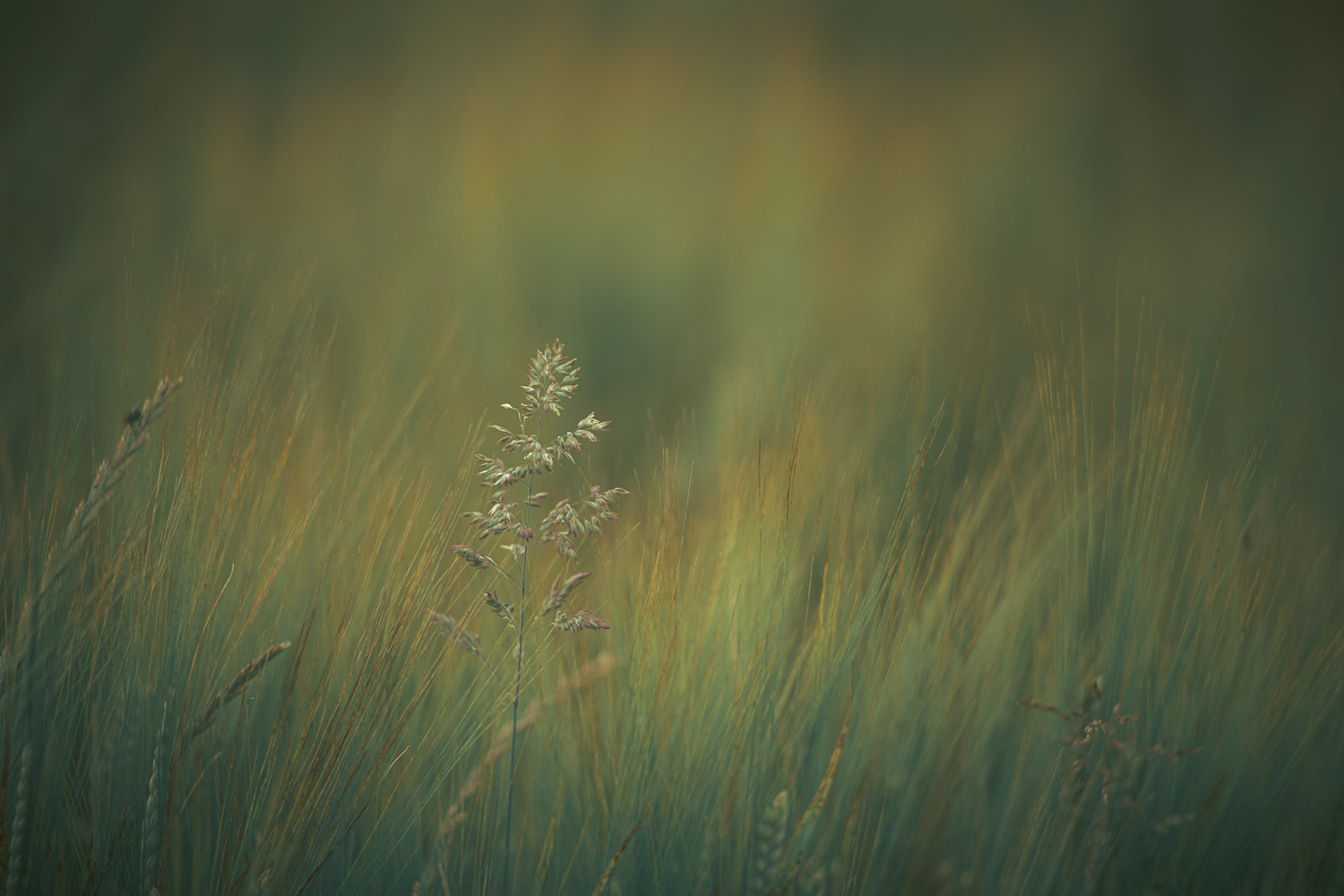
I took the below image not far from our home. The single step stood out against the field and F2.8 did the rest. I added a vignette, I made the colours inte background stronger and played around with the greens.
Documentary, journalism, and the ethics question
A consensus is forming around documentary and photojournalism.
Even here, editing has always existed, from darkroom dodging and burning to film stock choice to modern colour grading. National Geographic didn’t look the way it did by accident. Kodachrome had a look, and publications have always had a house style.
But most agree the line appears when editing changes the story, not just the tone.
- Adjusting colour or contrast to clarify a scene is one thing.
- Adding, removing, or “inventing” elements that alter meaning or context is another example, such as replacing the sky.
This isn’t about purity; it is about trust.
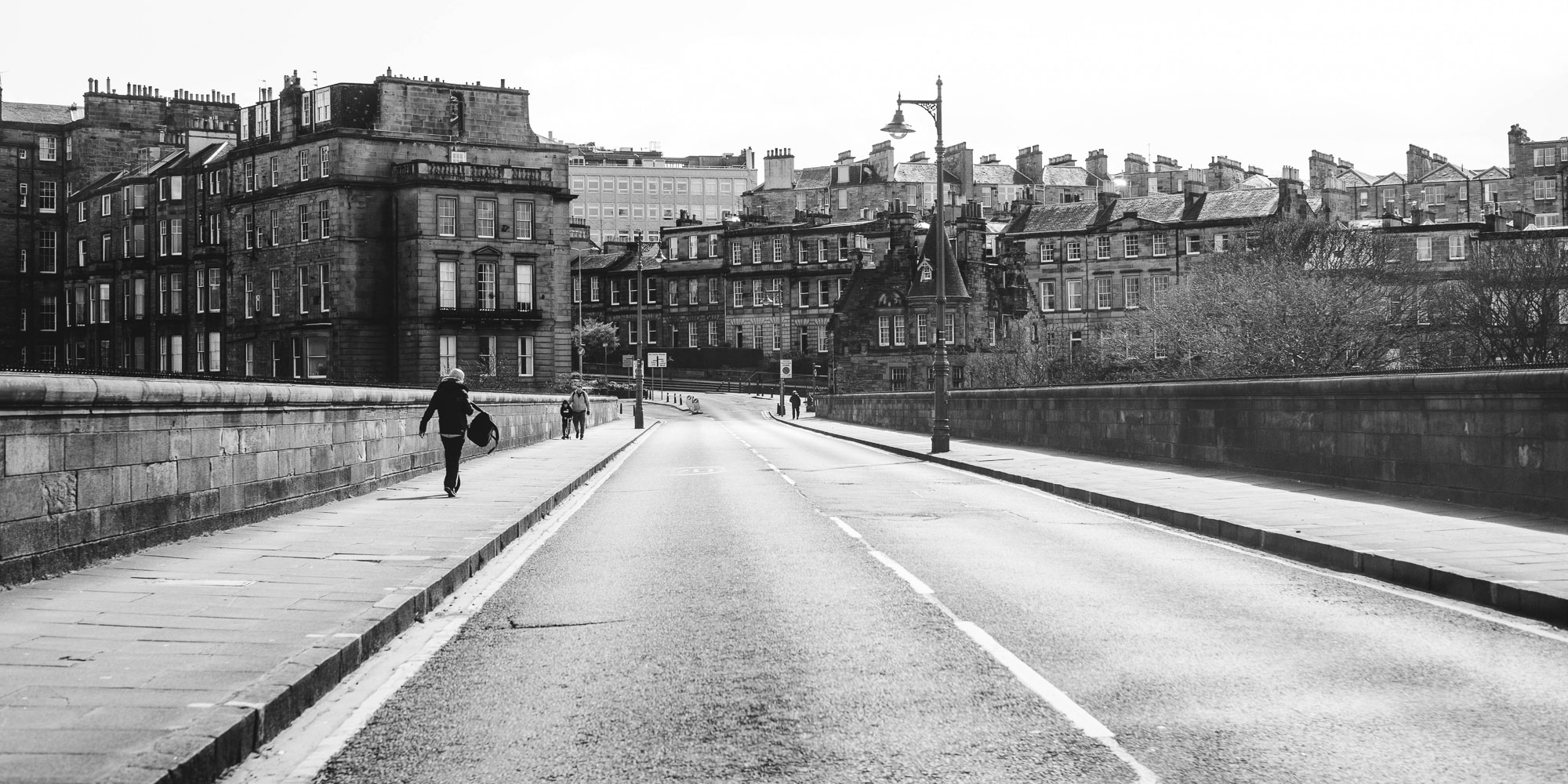
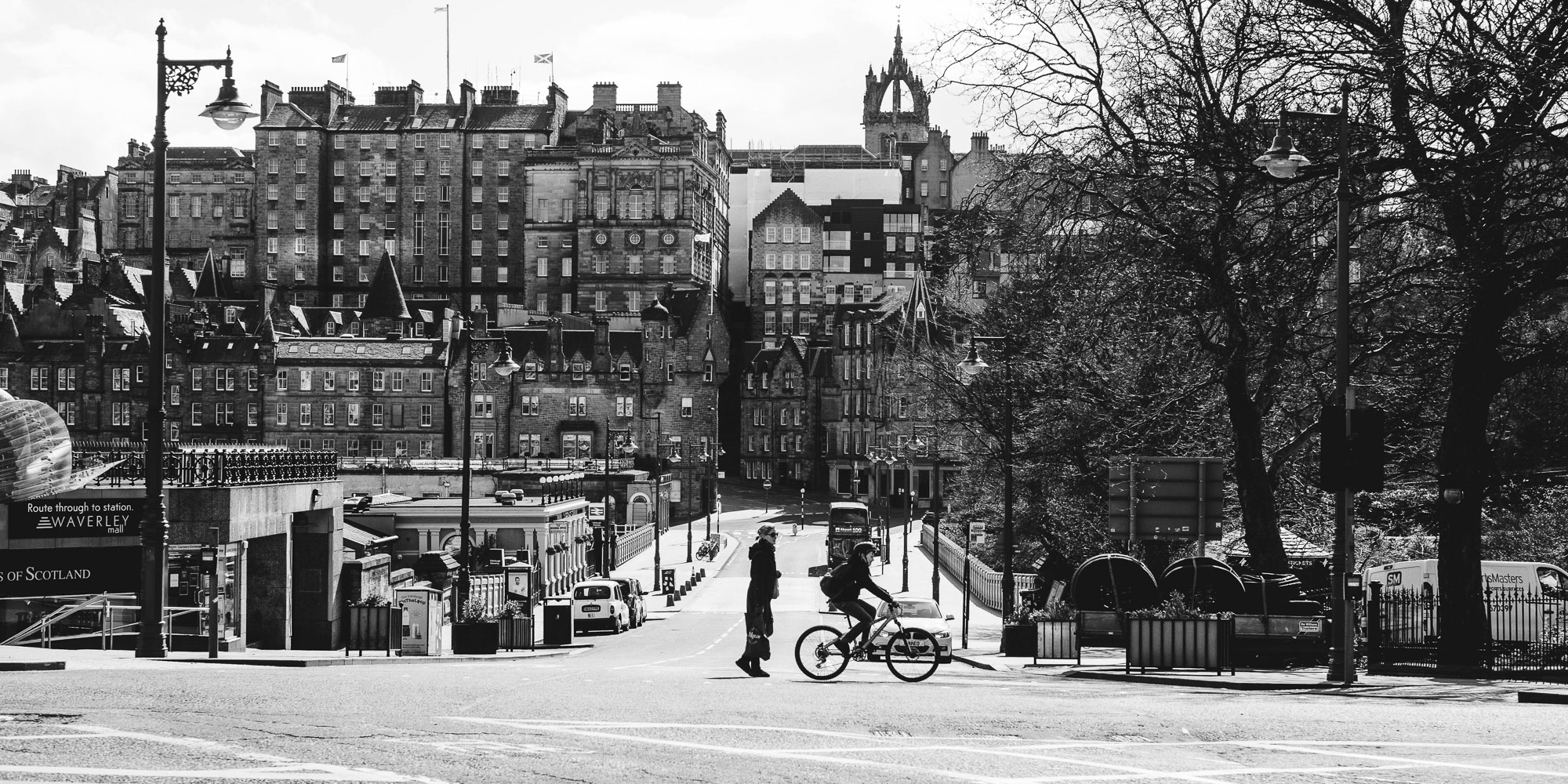
We all remember the lockdown during Covid. My husband had a job on in Edinburgh and I joined him to do some food shopping. I grabbed some photos in the city centre. I wanted to show how eerily quiet everything was. I chose a black-and-white representation to further remove information. Not only were people and cars removed, I also removed colour.
Social media pressure and “creating something from nothing”
A lot of extreme editing is often driven by algorithms rather than artistic intent.
When attention is the currency, there’s pressure to turn ordinary scenes into extraordinary spectacles. Mist, dramatic skies, surreal colour palettes, they perform well.
The problem isn’t that this exists. It is when photographers feel they should be doing it, even if it doesn’t resonate with them.
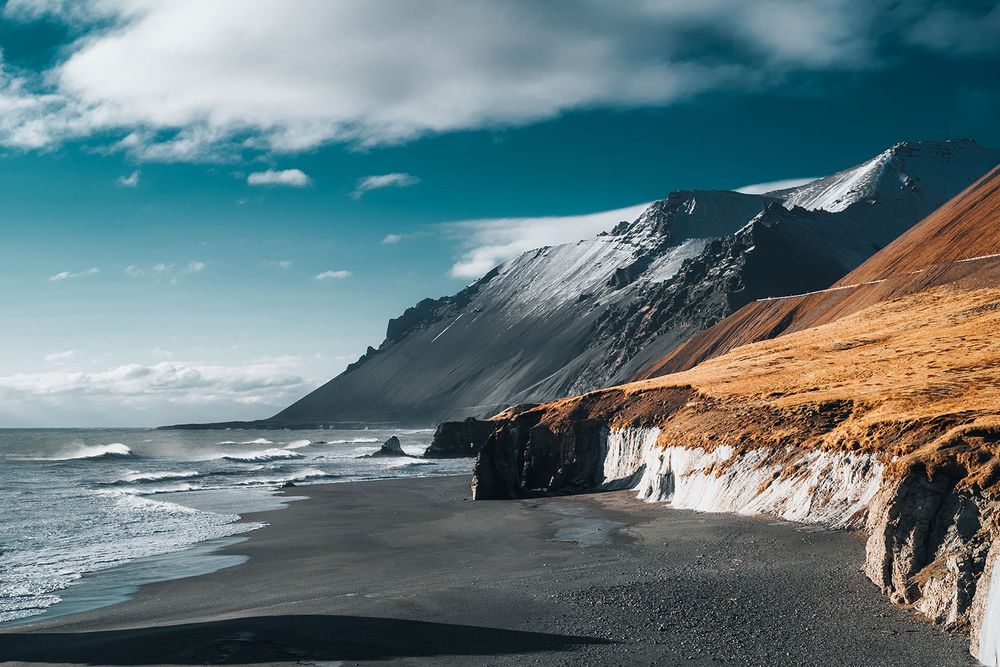
When I was still looking for my style (it’s still developing every day, by the way!), I tried out a lot of different filters. When you’re starting out as an artist, be it a painter, a musician, you tend to copy other people’s art before you paint or compose your own. This is totally natural. There’s a cool book called “Steal like an artist” that explains more on this. I still use presets and filters every now and then. I used a filter for the below to make the whole image look more “teal” which I think works.
What a beginner can focus on
For someone still finding their style, here are some tips:
- Study photography that you genuinely love.
- Pay attention to what sticks with you emotionally.
- Look at photos and see if anything feels unnatural or forced, even if many photographers use this style.
- Experiment often, but also listen to your gut.
Some photographers start as purists and loosen up over time. Others go wild with editing and later pull things back. Both paths teach you something.
The only fundamental mistake is editing in a way that feels wrong to you, simply because it’s fashionable.
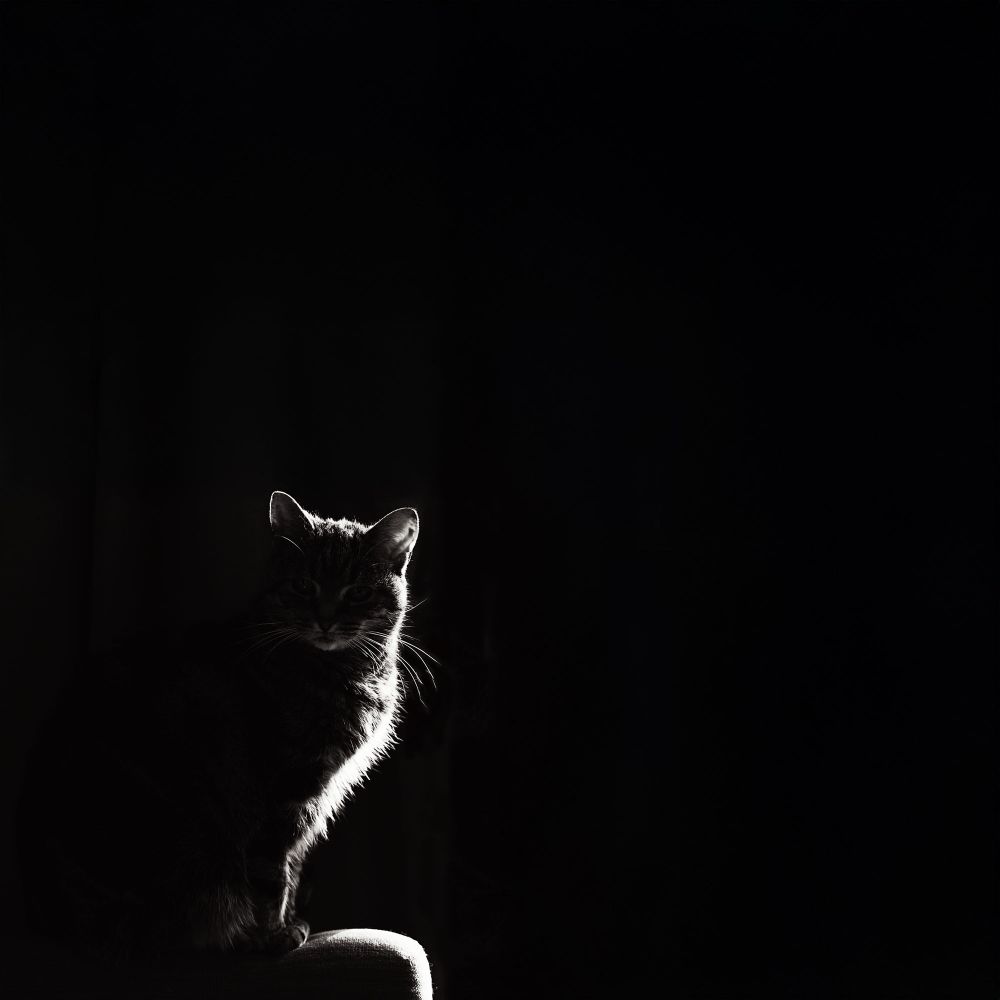
Sometimes, you have a lucky moment. This is our cat and she sat just behind the curtain and the light was hitting her side. I heavily edited the image to make sure the surroundings were properly black so that the silhouette is much stronger.
Maybe the real question isn’t about editing at all.
This discussion reveals photography isn’t one thing.
- It can be documentation.
- It can be an interpretation.
- It can be a mood.
- It can be a memory.
- It can be a design.
- It can be storytelling.
- It can be art.
- It can be an illustration.
Problems arise when we pretend all photography is trying to do the same job.
Editing isn’t the enemy. Reality isn’t the goal. Honesty about intent might be the missing piece.